Blog
Private Versus Open Workstations for Offices

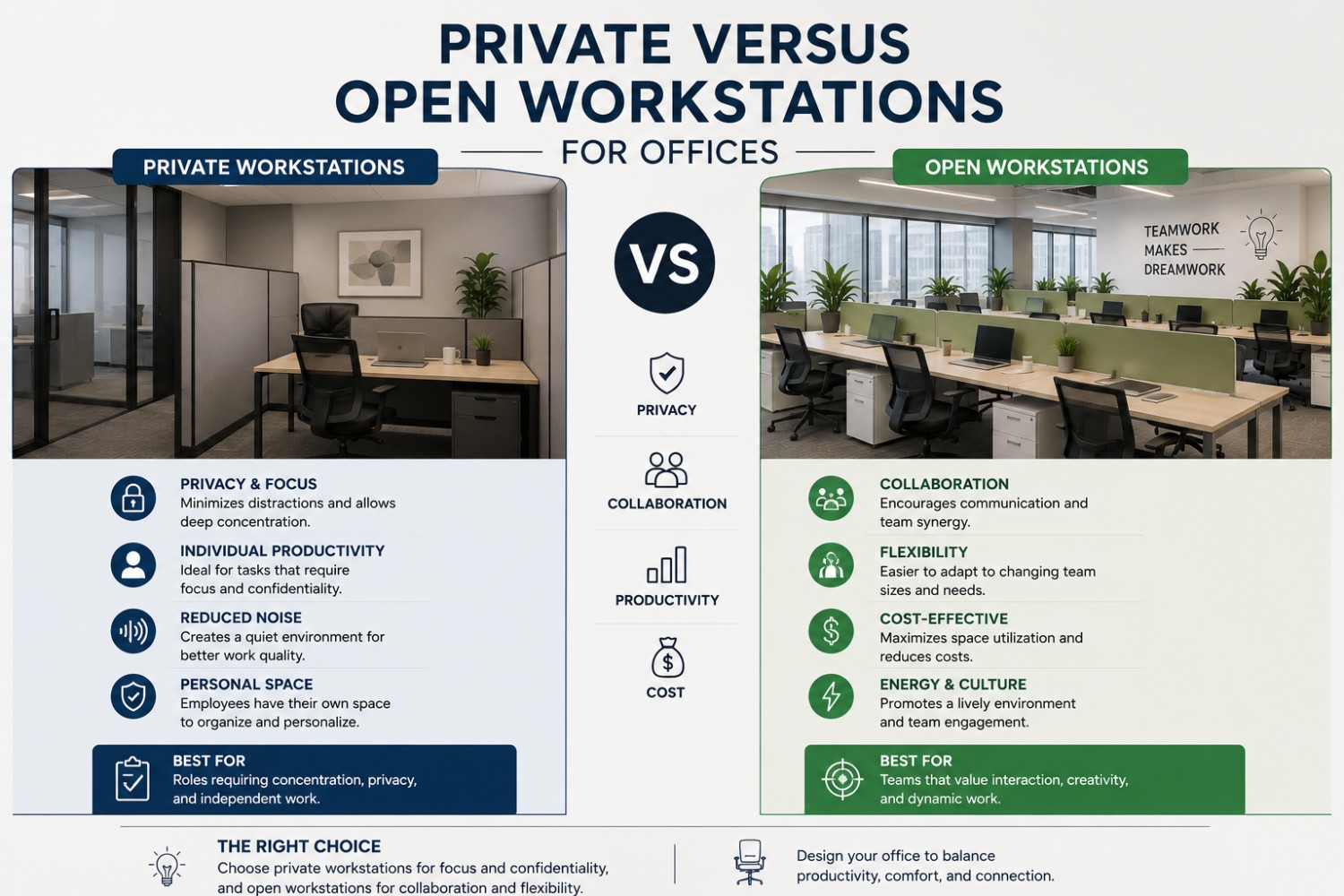
A workstation layout makes its impact long before a team comments on it. It shapes how easily employees concentrate, how often managers can have private conversations, whether calls disrupt nearby work, and how polished the workplace feels to clients. The decision between private versus open workstations is therefore not simply about fitting more desks into a floor plan. It is a decision about performance, culture, and the daily experience of work.
For Dubai and UAE businesses balancing ambitious growth with high expectations for presentation, the strongest solution is rarely an all-or-nothing choice. Private workstations and open workstation clusters each solve real operational needs. The right balance depends on the work being done, the available footprint, and the level of focus, collaboration, and confidentiality the organization requires.
Private Versus Open Workstations: The Core Difference
Private workstations give each employee a more defined personal zone. They may use higher privacy panels, side screens, integrated storage pedestals, or a desk position separated from surrounding activity. This approach reduces visual distraction and helps create a sense of ownership, particularly when paired with ergonomic task seating, cable management, and dedicated filing storage.
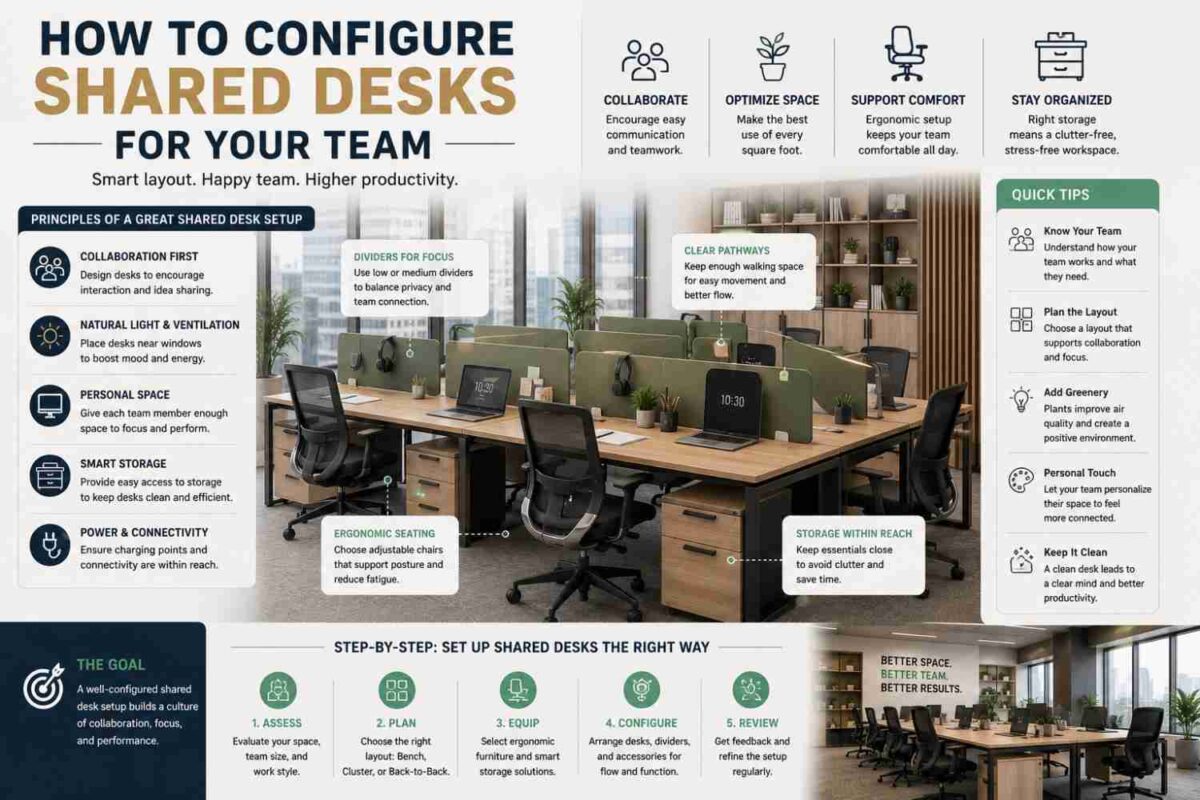
Open workstations place several users within a shared benching or clustered configuration. Two-person, four-person, and six-person workstation clusters use the available floor area efficiently while keeping teams visually connected. Lower dividers or shared work surfaces encourage quick questions, easy supervision, and a more active team environment.
Neither model is automatically more productive. A financial analyst working through detailed reports has different environmental needs from a sales team coordinating customer follow-ups throughout the day. The layout should support the work, not ask the work to adapt to the furniture.
When Private Workstations Add More Value
Private workstations are a strong investment when concentration, discretion, or senior-level presentation carries weight. Professional service firms, HR departments, finance teams, legal practices, and executive offices often benefit from a higher degree of separation. Employees can review sensitive documents, handle video calls, or complete detailed work with fewer interruptions from movement and conversation.
Privacy panels do not need to create a closed or dated office. Contemporary workstation systems use clean lines, premium finishes, and measured panel heights to establish individual focus without making the space feel heavy. A modest screen can block direct sightlines and reduce visual noise while still allowing daylight and team visibility to move through the office.
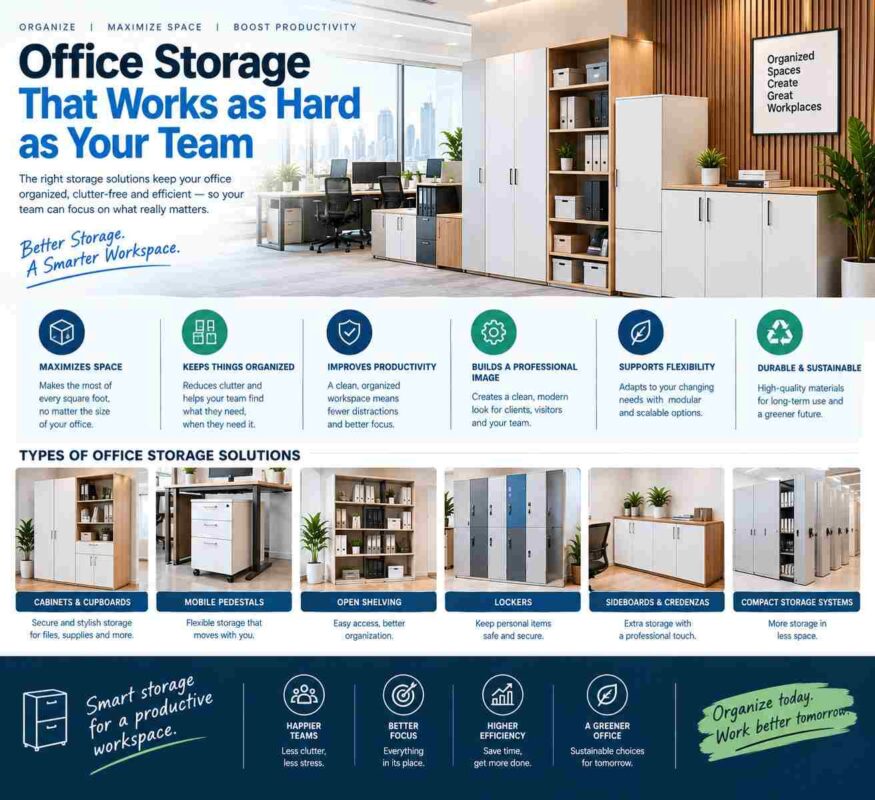
A private configuration also supports a more organized work surface. Integrated mobile pedestals or vertical filing cabinets give employees a secure location for documents, personal items, and essential supplies. This matters in offices where a clear desk reinforces both operational order and a professional client-facing standard.
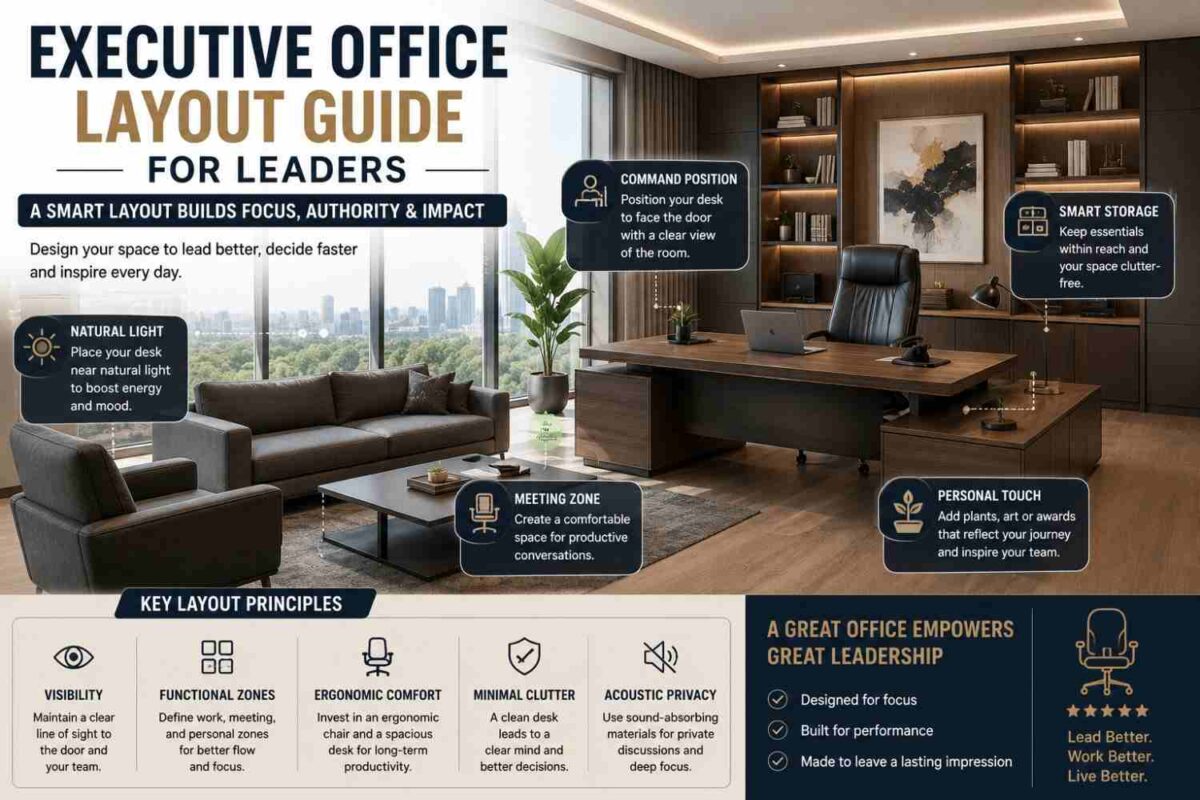
For leadership teams, a private desk can communicate authority and provide the setting needed for confidential conversations. An executive desk with substantial storage, paired with an executive leather chair or high-density foam seating, creates a workspace that feels deliberate rather than temporary. It supports the practical requirements of leadership while making a strong impression during internal meetings and client visits.
The trade-off is space efficiency. Private layouts generally require more square footage per person and can make a fast-growing office harder to reconfigure. They can also reduce informal interaction if the panels are too high or departments are physically separated without a reason.
 Privacy Is Not Only About Panels
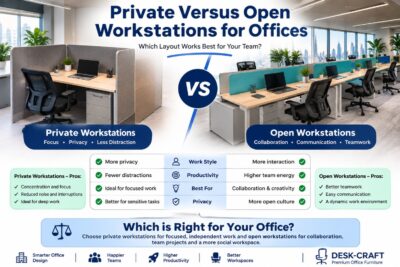 Privacy Is Not Only About Panels
Before choosing high-panel workstations, consider the full privacy picture. Acoustic comfort depends on flooring, ceiling treatments, meeting-room access, office phone-booth availability, and the behavior of the team. A workstation panel can reduce visual distraction, but it will not stop a nearby speakerphone call.
For many offices, mid-height panels combined with dedicated enclosed meeting spaces offer a more balanced result. Employees receive enough personal territory for focused work, while private calls and sensitive discussions move to rooms designed for them.
Where Open Workstations Perform Best
Open workstations are particularly effective for teams that need frequent, informal coordination. Sales, marketing, operations, creative, customer support, and startup teams often work faster when colleagues can exchange a quick update without booking a room or walking across the office. A shared visual field makes collaboration more immediate and can help managers identify bottlenecks before they become delays.
From a planning perspective, clustered workstations make excellent use of the floor plate. A four-person or six-person configuration creates a clear team neighborhood, centralizes cable routing, and simplifies furniture planning as headcount grows. Matching desks, ergonomic mesh chairs, mobile storage, and shared divider panels also produce a coordinated office appearance with less visual clutter.
Open layouts can feel energetic and inclusive. New employees tend to settle in more quickly when questions can be answered in the moment. For companies building culture during growth, that visibility may be more valuable than giving every employee a fully enclosed desk zone.
Yet openness has a limit. Noise, visual movement, and constant availability can make concentrated work harder. Employees may use headphones all day, take calls in corridors, or feel they have no place to reset. An open office that looks efficient on a floor plan can lose productivity if the team has nowhere quiet to complete demanding tasks.
Design Open Areas for Focus, Not Just Density
The most successful open workstation areas include deliberate boundaries. Low privacy panels, desk-mounted screens, modesty panels, and storage elements can define each seat without isolating the user. Positioning desk runs away from busy walkways also reduces the sense that employees are working in a thoroughfare.
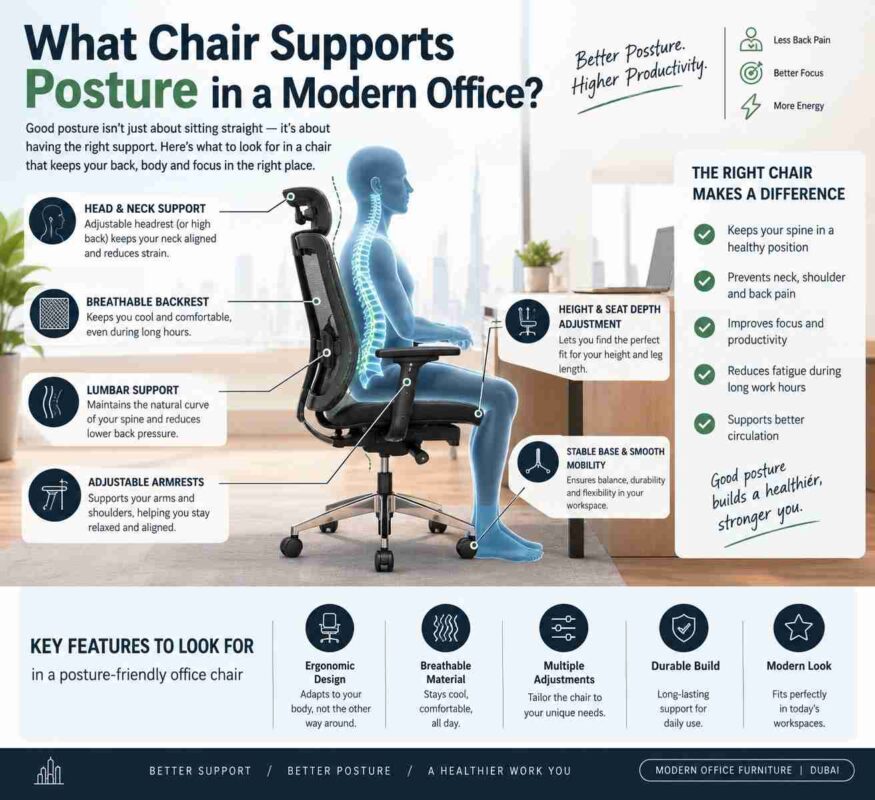
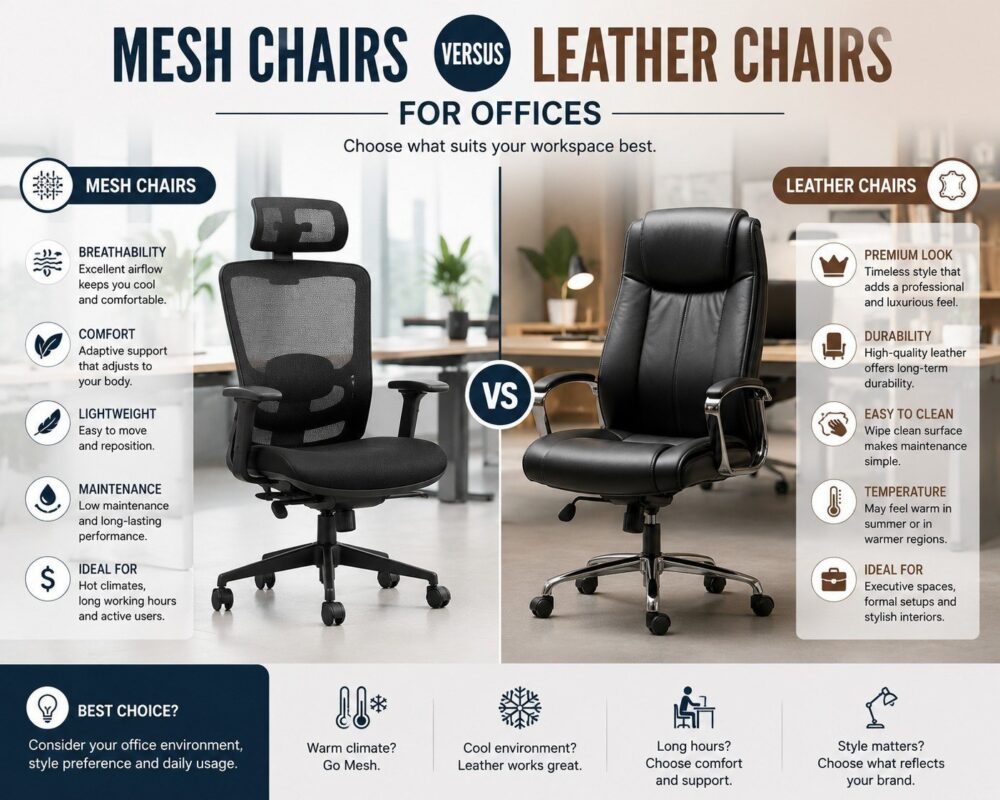
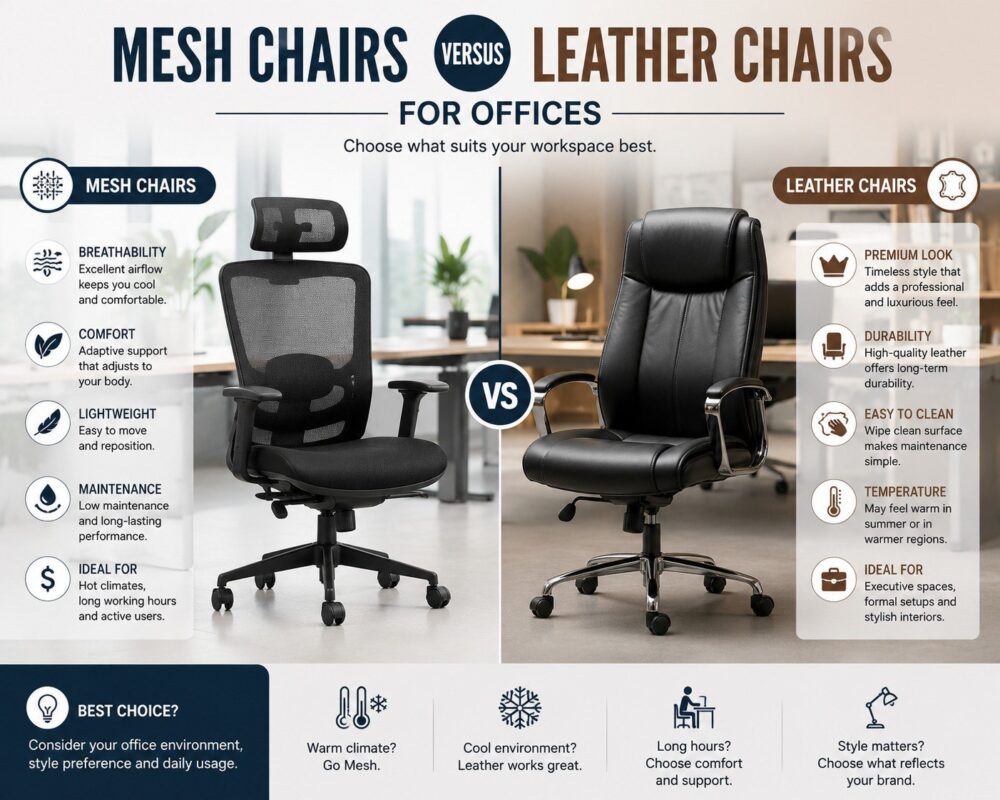
Seating deserves equal attention. Breathable mesh backrests, adjustable armrests, lumbar support, and height adjustment give employees the ability to maintain comfortable posture across long workdays. When workstations are more open, ergonomic comfort becomes even more valuable because employees have fewer ways to escape an unsuitable setup.
Acoustic zoning should be planned from the start. Place collaborative teams near meeting rooms, breakout seating, and informal lounge areas. Position roles requiring quieter concentration farther from reception, pantry traffic, and high-volume departments. This preserves the energy of an open plan without spreading disruption across the entire office.
Choose by Work Pattern, Not Office Fashion
A workplace should not adopt open benching simply because it appears modern, and it should not default to private desks because that is how the previous office was arranged. Start with the actual work pattern of each department.
Teams that spend most of the day in individual, detailed, regulated, or confidential work need stronger privacy and accessible storage. Teams that depend on rapid coordination, shared screens, and frequent handoffs benefit from clustered open workstations. Roles with a mixed work pattern need both: a practical desk for day-to-day tasks and quiet spaces available when concentration or discretion is required.
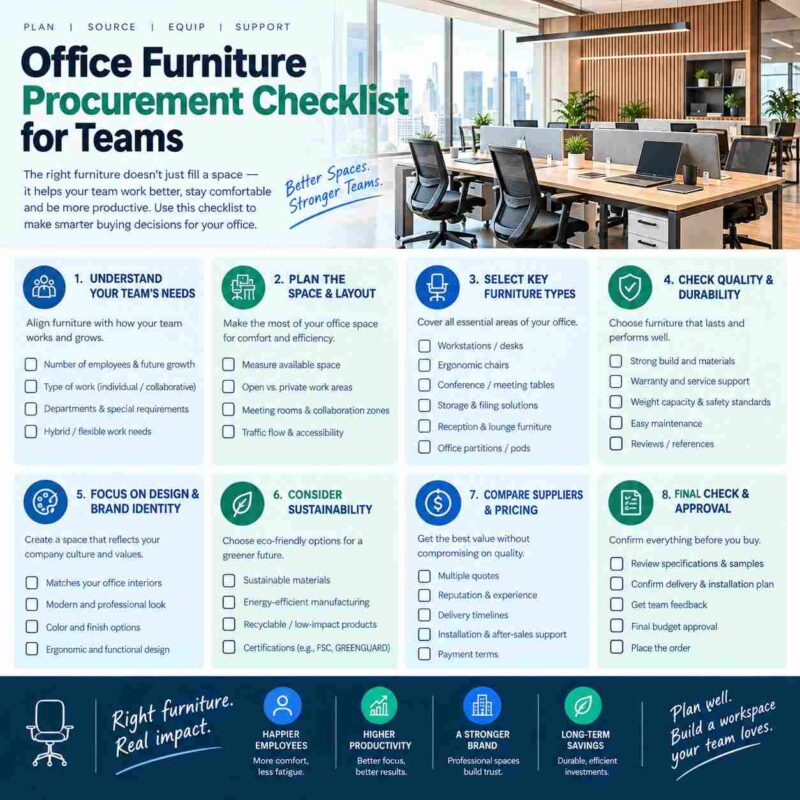
Consider growth as well. If hiring is expected over the next 12 to 24 months, modular workstation clusters can offer a smart foundation. Select systems that can be extended, reconfigured, or fitted with additional screens and pedestals as needs change. This prevents the office from becoming a patchwork of mismatched desks and improvised storage.
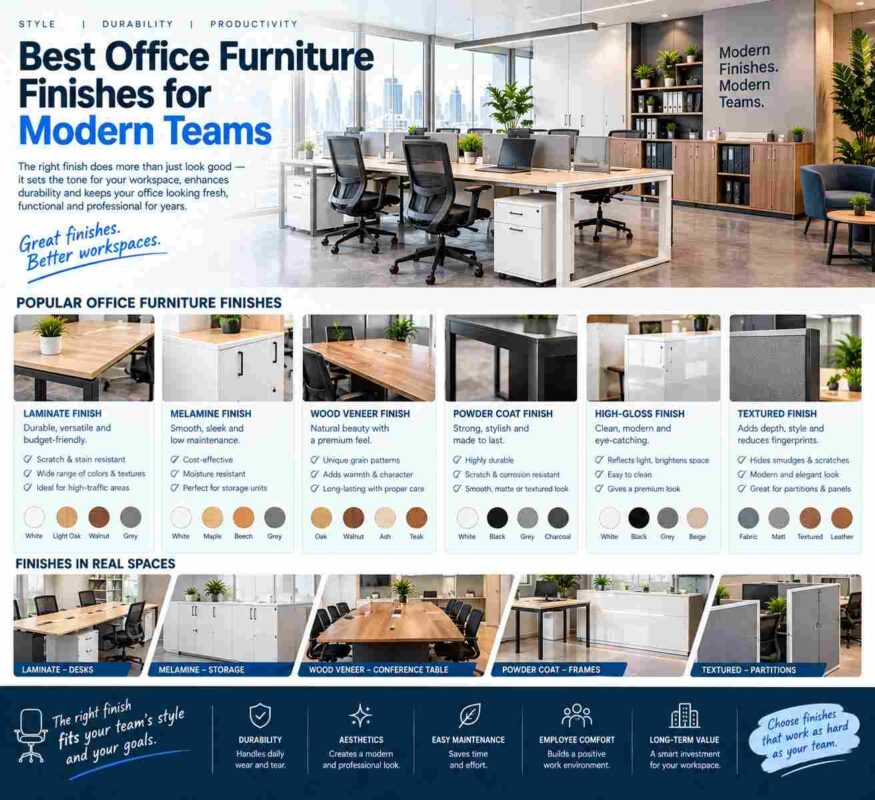
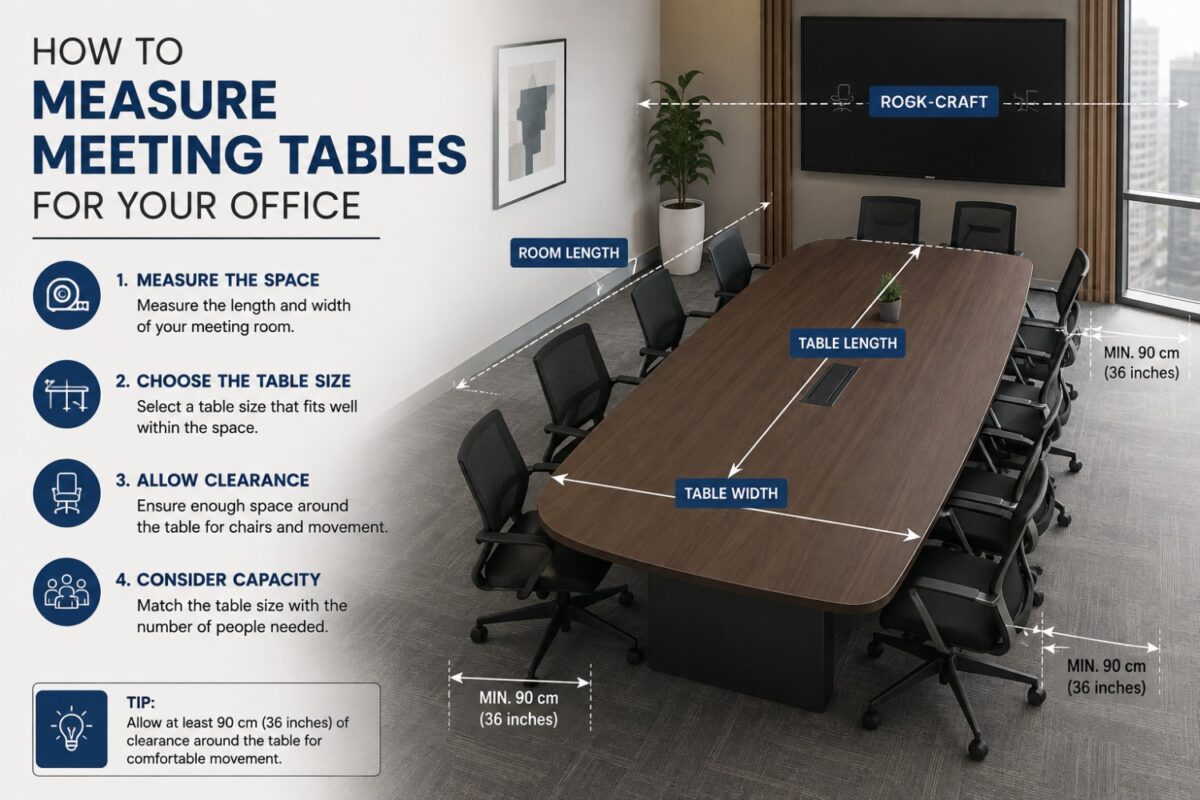
Client visibility also matters. Reception desks, executive offices, boardroom tables, visitor seating, and work areas should tell one consistent visual story. Premium finishes and coordinated furniture series communicate that the organization is organized, established, and prepared for business. Desk Craft helps buyers approach these areas as one workplace system rather than separate furniture purchases.
A Hybrid Layout Usually Wins
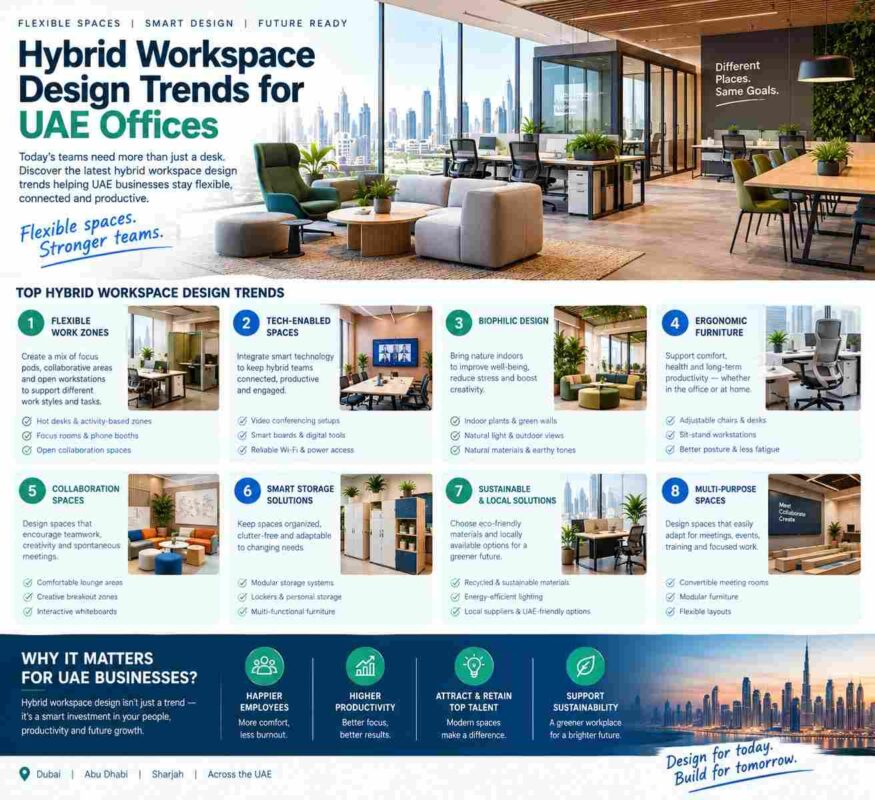
For many organizations, the best answer to private versus open workstations is a hybrid plan. Use open clusters for collaborative departments, provide semi-private stations for roles needing sustained focus, and create enclosed rooms for confidential discussions. Add lounge seating or coffee tables in informal areas where spontaneous conversations can happen without interrupting desk work.
A hybrid layout is not a compromise born from indecision. It is a purposeful response to the fact that modern offices support several kinds of work in the same day. An employee may collaborate with a team in the morning, complete focused analysis after lunch, and host a client meeting in the afternoon. Furniture should make each mode feel supported.
The most effective office is not the one with the most desks or the tallest panels. It is the one where people can focus when the work demands it, connect when speed matters, and represent the business with confidence every time someone walks through the door.