Blog
Best Office Furniture Finishes for Modern Teams

A walnut executive desk can establish authority the moment a client enters the room. A light oak workstation cluster can make a growing team area feel open and focused. The best office furniture finishes are not simply a matter of color preference. They determine how well surfaces handle daily use, how easily teams maintain order, and how confidently your workplace represents the business.
For office managers, procurement teams, and designers, the right finish should support the work happening around it. Reception areas need a strong first impression. Team workstations need practical durability. Boardrooms need visual presence without becoming difficult to maintain. The most successful specification balances appearance, performance, budget, and the character of the space.
What Makes an Office Furniture Finish the Right Choice?
A finish sits at the intersection of material performance and workplace design. It affects resistance to scratches, moisture, fingerprints, cleaning products, and everyday wear from laptops, coffee cups, filing trays, and mobile pedestals. It also affects how light moves through the room, whether a compact office feels larger, and whether executive areas communicate confidence.
Start with the furniture category rather than choosing one finish for every surface. A reception desk faces high visibility and frequent contact. A six-person workstation must remain tidy and consistent through intensive use. A boardroom table needs enough refinement for client meetings while still accommodating cables, presentation equipment, and regular cleaning.
Climate and maintenance routines matter as well. In busy commercial environments, finishes that conceal minor marks and wipe clean quickly usually deliver better long-term value than highly delicate surfaces. A premium appearance should not require a premium amount of daily attention.
Best Office Furniture Finishes by Workplace Need
Woodgrain laminate for productive workstations
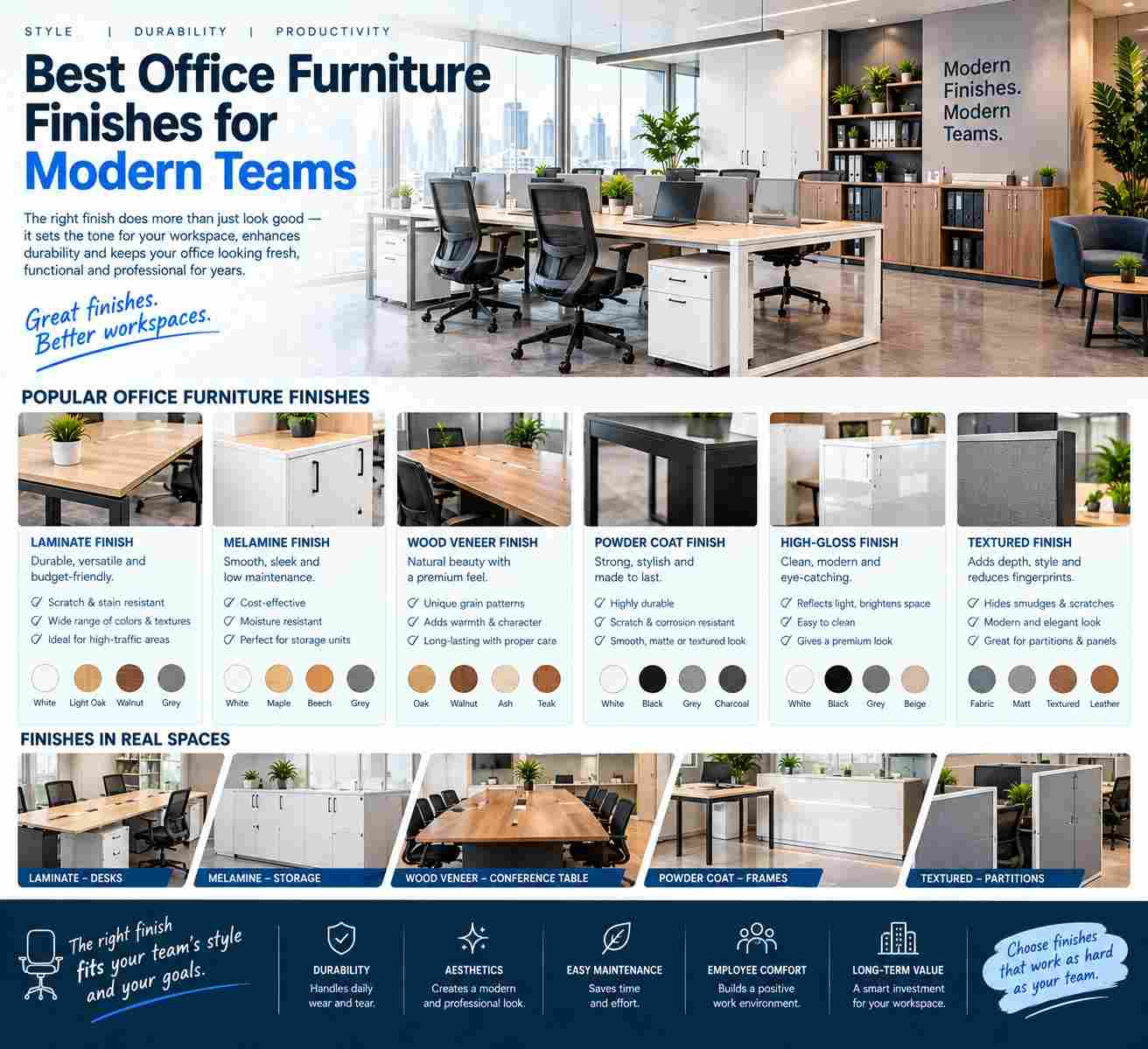
Woodgrain laminate is among the best office furniture finishes for team workstations, storage cabinets, training tables, and operational desks. It brings the warmth of timber into a commercial setting while offering dependable resistance to routine scratches and stains. Modern laminates can reproduce oak, walnut, ash, and darker executive wood tones with a clean, consistent grain pattern.
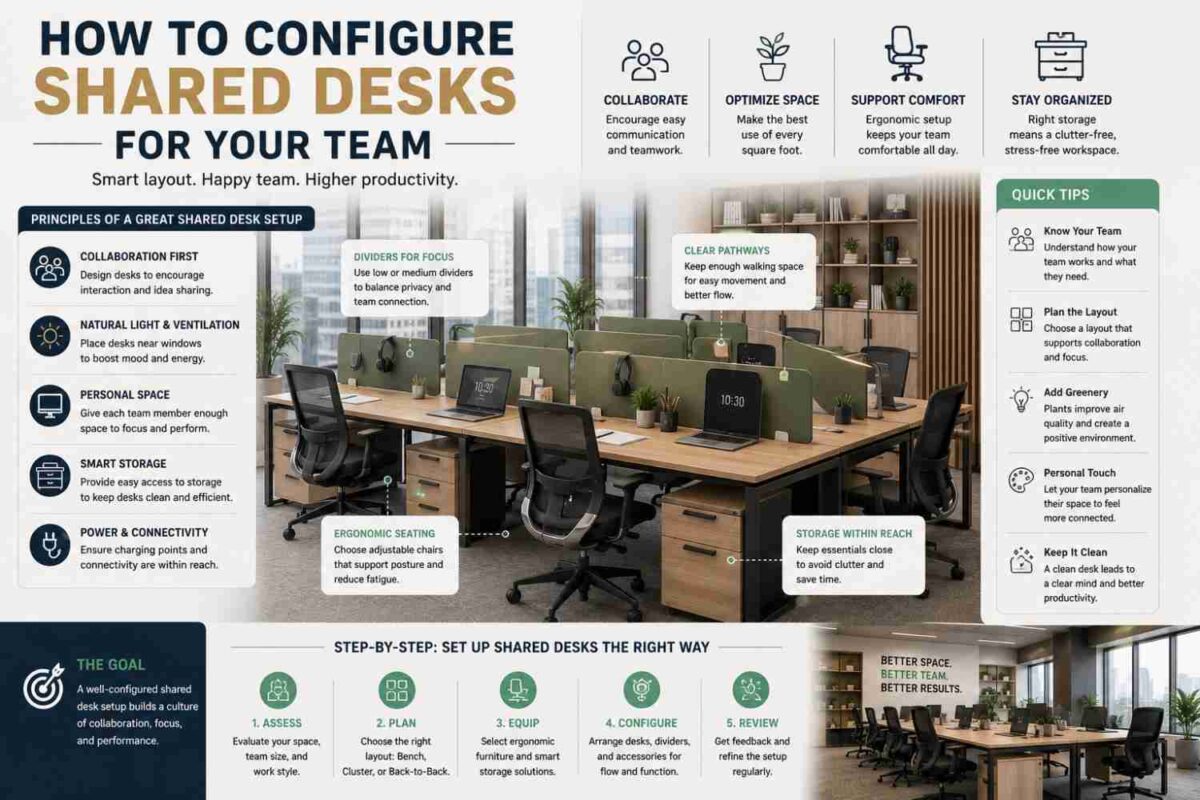
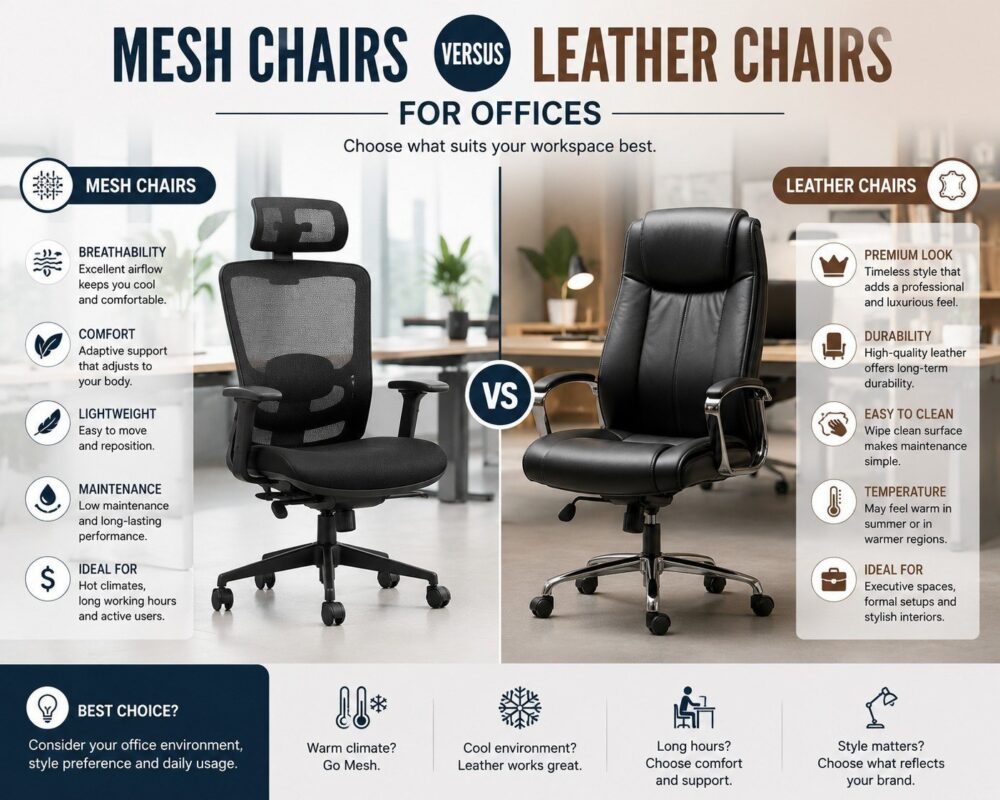
Light oak, maple, and ash laminates are particularly effective in clustered workstations for two, four, or six users. They reflect more light than deep finishes, helping dense layouts feel less enclosed. Pair them with white or light gray privacy panels, mobile drawer pedestals, and breathable mesh chairs for a focused, contemporary workspace.
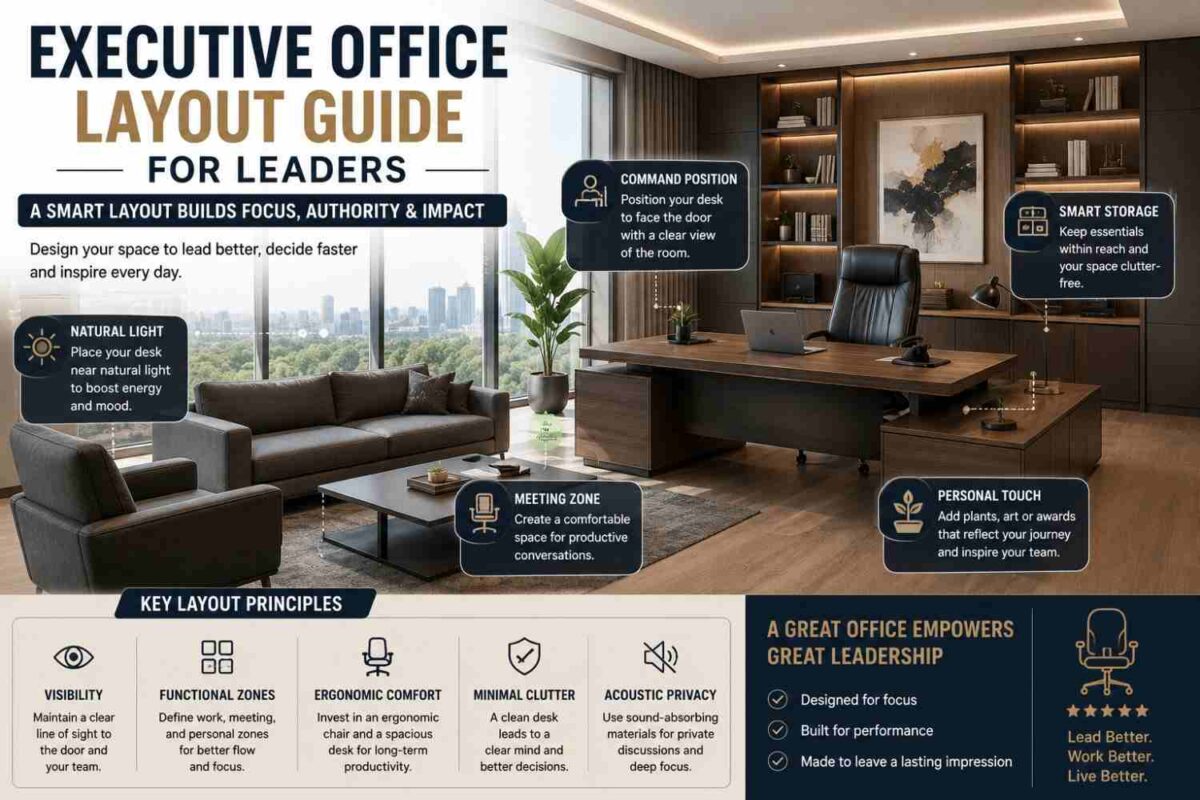
Walnut and dark woodgrain laminates create more visual weight. They suit executive desks, boardroom tables, and managerial offices where authority and professional presentation are priorities. The trade-off is that very dark surfaces may reveal dust, fingerprints, and lighter scratches more quickly. In high-traffic areas, choose a textured or matte woodgrain instead of a glossy dark surface.
Matte solid colors for clean, flexible offices
White, gray, beige, and black matte finishes bring a disciplined, architectural look to contemporary offices. They work especially well for reception desks, modular workstation systems, filing cabinets, and meeting tables where the goal is a neat, coordinated environment.
A white matte desk surface can make a smaller office feel brighter and more organized. It is an effective choice for creative teams, consulting offices, and front-of-house spaces that need a polished, welcoming appearance. However, bright white can show pen marks and spills if cleaning is inconsistent. Select a commercial-grade matte laminate and establish a simple daily wipe-down routine.
Gray is often the most forgiving neutral. Mid-tone gray finishes hide dust better than black and show fewer marks than white, making them well suited to shared desks and storage-heavy work areas. Black creates a sharper, more executive statement, particularly when combined with metal legs and leather seating. Use it selectively in well-lit rooms, as an all-black furniture plan can make a compact office feel heavy.
Natural veneer for executive presence
Natural wood veneer delivers the depth, variation, and premium craftsmanship that laminate cannot fully replicate. Because veneer uses a real wood surface over an engineered core, each desk or conference table has a more individual character. This makes it a strong choice for executive suites, formal boardrooms, private offices, and client-facing meeting spaces.
Walnut veneer remains a classic choice for leadership settings. Its rich tone works naturally with executive leather chairs, credenzas, and vertical filing cabinets, creating a space that communicates authority and comfort. Oak veneer offers a lighter, more contemporary alternative, especially for organizations seeking a refined but less traditional identity.
The consideration is care. Veneer can be durable when properly sealed, but it is less forgiving than commercial laminate if exposed to standing moisture, sharp objects, or aggressive cleaners. It performs best in spaces with controlled use and clear maintenance standards, not on every high-turnover hot-desk surface.
High-gloss finishes for statement zones
High-gloss finishes create immediate visual impact. Their reflective surface can make reception counters, coffee tables, and compact meeting areas look more elevated and spacious. White gloss offers a clean, gallery-like look, while black gloss brings drama to a formal lounge or executive reception setting.
These finishes are best used with intention. Gloss highlights fingerprints, dust, and fine scratches, so it requires more frequent care than matte laminate. It is usually more effective as a focal finish on a reception feature, boardroom cabinet, or occasional table than as the primary surface for an entire workstation floor.
For a balanced result, combine gloss accents with matte desk tops, textured privacy panels, and upholstered lounge seating. The contrast adds visual status without making the office difficult to manage.
Metal and powder-coated frames for commercial durability
While desk tops receive most of the attention, frame finishes shape the furniture’s long-term performance. Powder-coated steel legs, table bases, storage handles, and workstation structures provide a clean commercial look with excellent resistance to chipping and corrosion. Black, white, charcoal, and aluminum are the most versatile choices.
Black powder-coated frames create contrast beneath light oak or white laminate tops. White frames support an airy, minimal workstation plan. Charcoal and aluminum are practical choices for meeting tables and training furniture because they coordinate easily with mesh seating, cable management accessories, and mobile storage.
A quality frame finish is particularly valuable in shared spaces where chairs, pedestals, and visitors regularly contact table legs. It protects the structure while maintaining a precise, design-led appearance.
Match the Finish to Each Office Zone
A coordinated office does not require identical finishes everywhere. In fact, using one surface throughout every area can make a workplace feel flat. The better approach is to create a controlled finish palette that gives each zone a purpose while maintaining a unified professional identity.
Reception areas can carry the strongest visual statement, such as walnut veneer, dark woodgrain laminate, or a white gloss accent. Pair that surface with comfortable visitor chairs or lounge sofas in neutral upholstery to create a confident arrival experience.
Open-plan workstations should prioritize durability and visual calm. Light woodgrain, gray laminate, or white matte surfaces work well with privacy panels and ergonomic mesh chairs. These finishes support concentration and make it easier to add storage pedestals, filing cabinets, and collaborative tables without visual clutter.
Executive offices benefit from richer finishes, but restraint matters. A walnut desk, matching storage cabinet, and executive leather chair can create an appropriate sense of leadership. Add lighter wall finishes or a neutral visitor chair to prevent the room from feeling overly dark.
Boardrooms need a table finish that photographs well, feels credible in person, and tolerates regular use. Walnut, oak, charcoal, and premium matte white are all strong choices. Consider the room’s lighting, seating capacity, and cable access before selecting a darker table, since polished surfaces can create glare during presentations and video calls.
Details That Protect the Finish Investment
The finish alone does not determine how a desk or table will age. Edge treatment, hardware quality, and cleaning habits matter just as much. Well-finished edges reduce the risk of swelling or chipping, especially on desks exposed to frequent cleaning. Durable drawer runners, handles, and cable grommets keep storage and workstations looking organized rather than worn.
Specify practical protection where it is needed. Desk pads can protect executive writing surfaces. Coasters help preserve boardroom and coffee tables. Cable management prevents cords and adapters from dragging across finished tops. For shared workstations, choose a surface with a subtle texture or pattern that disguises the small marks of daily activity.
Avoid abrasive pads, harsh solvents, and excessive water on any finish. A soft microfiber cloth and a manufacturer-approved cleaner are usually enough for routine care. Consistent cleaning is not cosmetic housekeeping. It protects the office’s professional presentation and extends the useful life of the furniture.
The best choice is the finish that continues to look intentional after hundreds of meetings, work sessions, and client visits. Build a palette around your most visible spaces, choose durable surfaces for the busiest ones, and let every desk, table, and storage unit reinforce the standard your business wants people to see.