Blog
Mesh Chairs Versus Leather Chairs for Offices

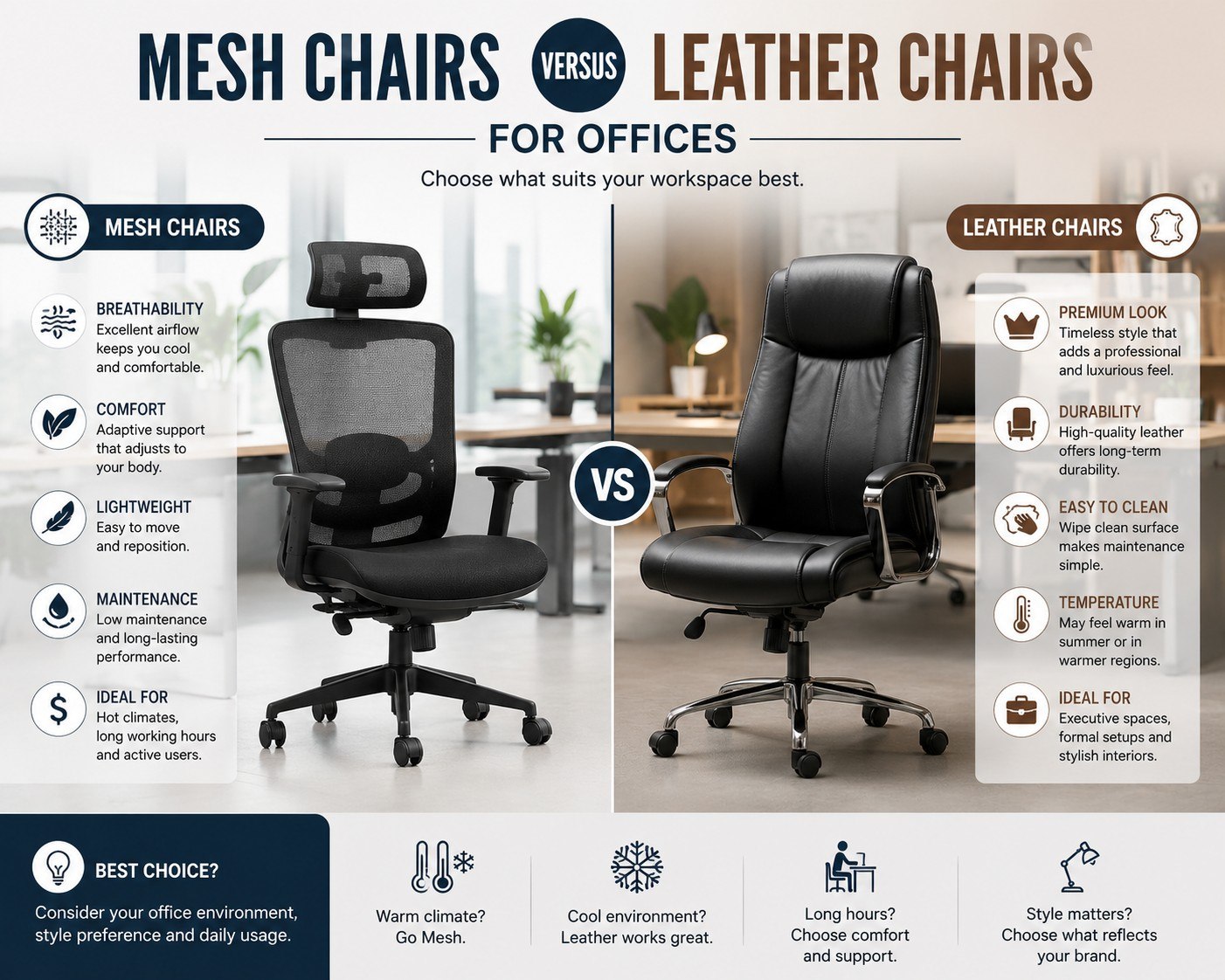
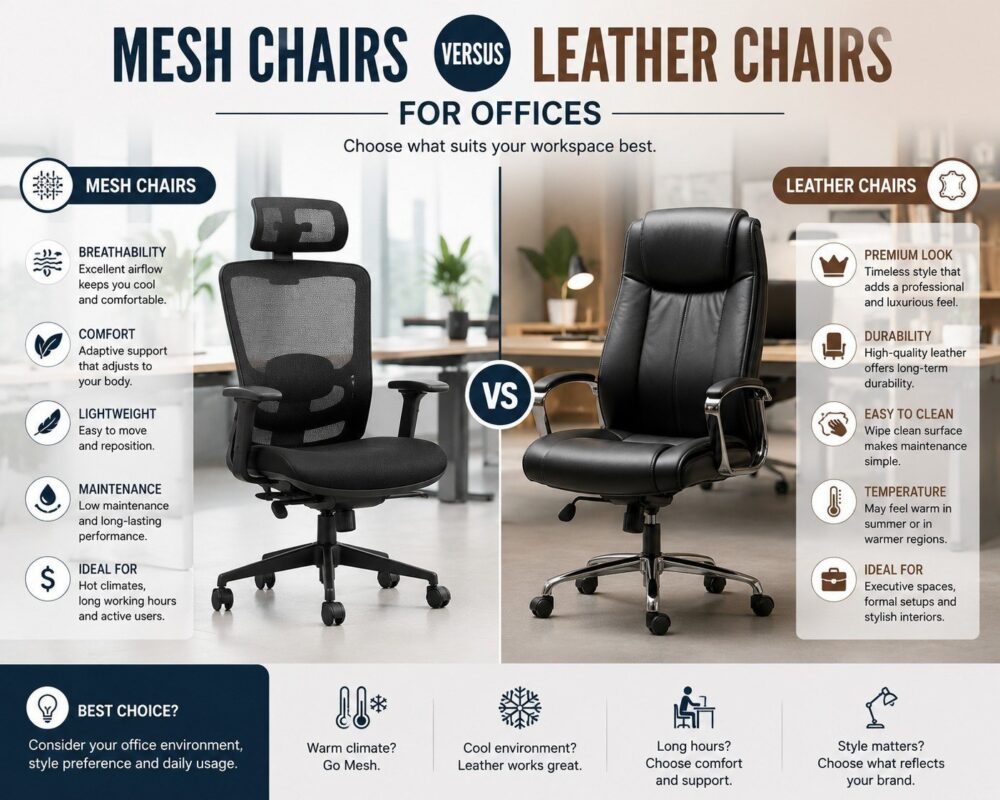
A chair selection can change the way an office performs long before anyone notices the finish of a desk. In the decision between mesh chairs versus leather chairs, the better choice depends on who will use the seat, how long they will sit, the temperature of the space, and what the room needs to communicate. A task chair for a 40-person workstation floor has different priorities from a statement chair behind an executive desk.
For procurement teams and office managers, the strongest result is rarely an all-mesh or all-leather office. It is a seating plan that gives each area the right balance of ergonomic support, durability, authority, and visual consistency. To compare other seating styles, browse our office chairs in Dubai.
Mesh Chairs Versus Leather Chairs: The Core Difference
Mesh and leather are not simply different upholstery options. They create distinctly different sitting experiences and workplace impressions.
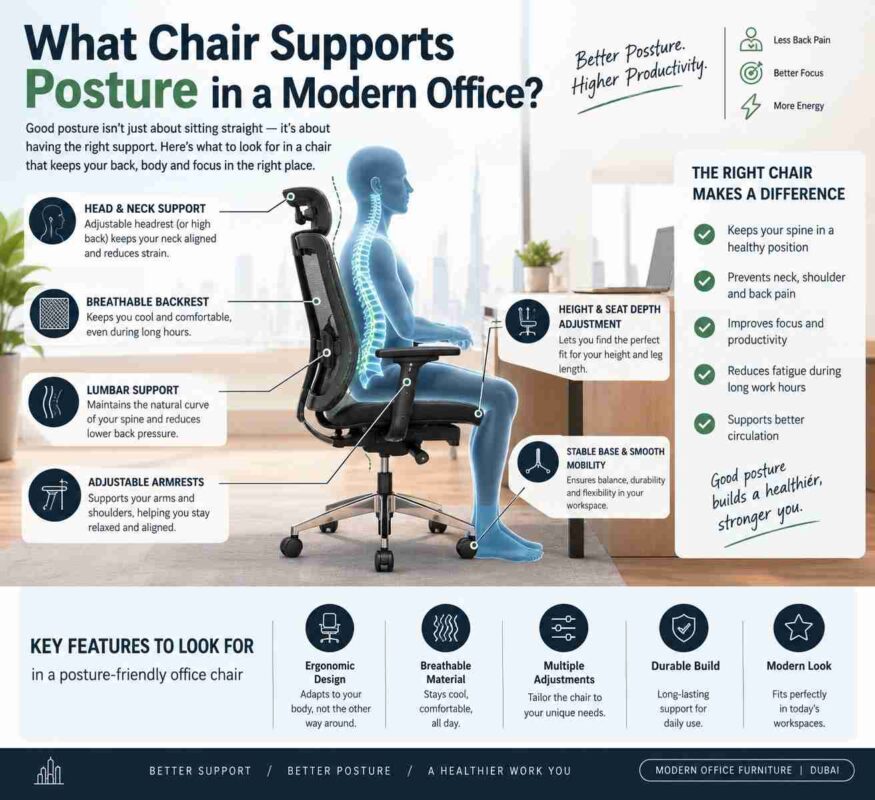
A quality mesh chair uses a tensioned, breathable backrest that follows the user’s movement. It is typically paired with adjustable lumbar support, a height-adjustable seat, synchronized tilt, armrest adjustments, and a cushioned seat pad. The result is active support for employees who spend most of the day at a computer.
Leather office chairs rely on padded surfaces, often with high-density foam beneath leather or leather-look upholstery. Their design emphasizes comfort, presence, and a more substantial visual profile. They are especially effective in executive offices, private meeting rooms, and client-facing environments where the chair should reinforce leadership and premium craftsmanship.
Neither material automatically makes a chair ergonomic or executive-grade. The frame, mechanism, foam quality, adjustability, and construction standards matter just as much. A well-specified mesh task chair can support demanding daily use, while a leather executive chair with poor lumbar design may look impressive but perform poorly during long work sessions.
Why Mesh Chairs Perform in High-Use Work Areas
For open offices, clustered workstations, call centers, and shared desks, mesh office chairs are often the practical choice. Their breathable backrests allow air to circulate, helping users stay more comfortable through long periods of focused work. This is particularly valuable in warm climates and high-occupancy offices, even where air conditioning is available.
Mesh also has a lighter visual character. In a compact office, that matters. Rows of bulky upholstered chairs can make a workstation zone feel crowded, while slim mesh profiles preserve a cleaner, more open look around desk clusters and privacy panels.
Support That Moves With the User
Employees do not sit in one fixed posture all day. They lean forward for detailed work, recline during calls, turn to collaborate with colleagues, and shift position frequently. A tensioned mesh backrest can respond to these changes without creating the heat buildup often associated with fully upholstered backs.
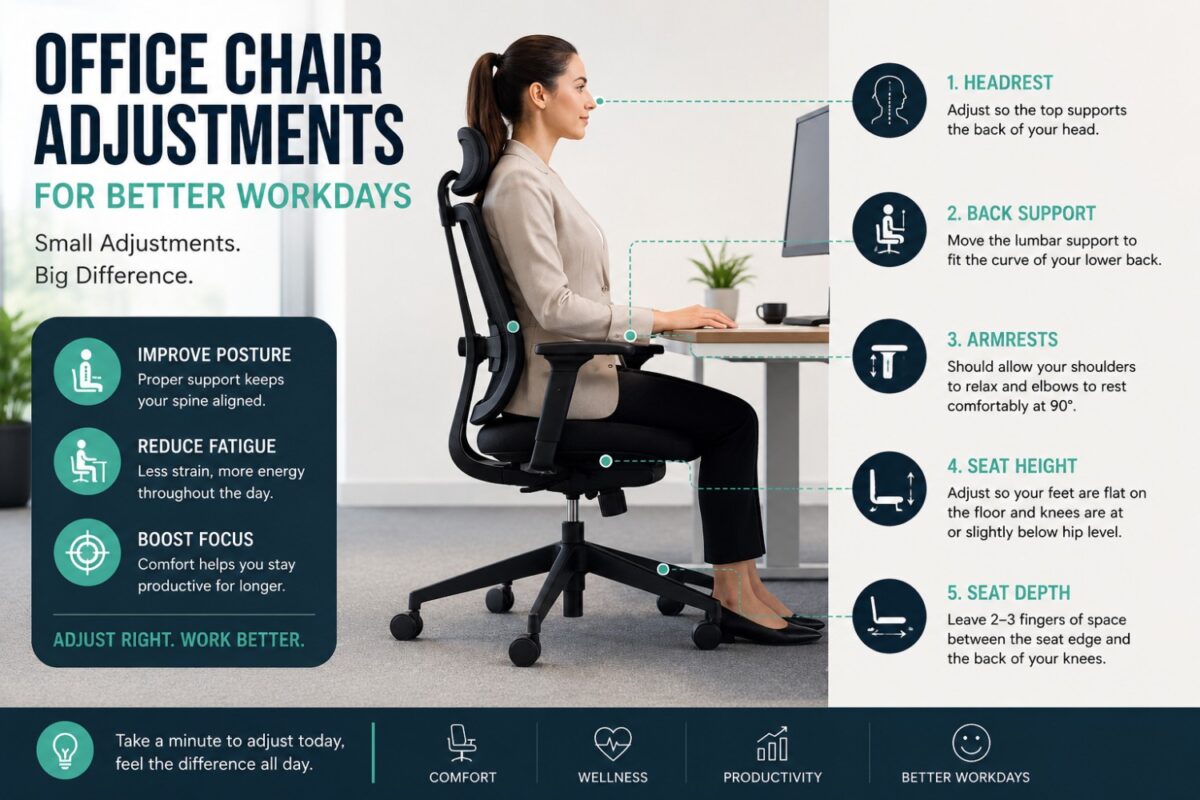
The best mesh models offer adjustable lumbar support rather than a fixed lumbar curve. This allows different users to position support at the right point in the lower back, which is essential for hot-desking environments and teams with varied body types. Adjustable seat depth and multi-directional armrests add further value where people use the chair for six to eight hours daily.
Maintenance and Everyday Durability
Mesh chairs are generally easy to maintain in busy workplaces. Dust can be removed with routine vacuuming or light cleaning, and minor spills are less of a concern when the seat uses durable commercial-grade fabric. Because the backrest is not heavily padded, it is less likely to show compression over time.
There is a trade-off. Low-quality mesh can sag, lose tension, or feel abrasive against clothing. For a commercial office, the mesh should feel firm yet flexible, with a strong frame and a mechanism designed for repeated daily adjustments. A low initial price is rarely a saving if chairs need replacement after a short period of use.
When Leather Chairs Make a Stronger Impression
Leather chairs have a role that mesh cannot fully replace: they create visual authority. A high-back leather executive chair behind a premium desk immediately establishes a sense of leadership, permanence, and confidence. In a managing director’s office, a partner’s workspace, or a boardroom, that visual language can support the professional identity of the business.
Leather also delivers a more enveloping feel. The combination of padded armrests, high-density foam, and a supportive high back can make a chair feel substantial during meetings, strategy sessions, and focused individual work. For senior leaders who spend time reviewing documents, meeting clients, and conducting video calls, that comfort can be a genuine advantage.
Executive Finish Meets Client-Facing Design
Office furniture communicates before a conversation begins. A leather executive chair works naturally with wood-grain desks, metal accents, filing cabinets, credenzas, and boardroom tables. Black leather projects classic authority, while tan, gray, or refined neutral finishes can create a more contemporary executive environment.
This does not mean every manager needs a large leather chair. In smaller offices, an oversized design can dominate the room and limit movement around storage pedestals or visitor seating. A mid-back leather chair may provide the right executive finish without overwhelming the workspace.
Heat, Care, and Material Quality
The key consideration with leather is temperature. Padded upholstery can feel warmer during extended sitting, particularly in offices with direct sun exposure or fluctuating cooling. It may be more comfortable for shorter meetings and private offices than for high-intensity task zones where employees remain seated continuously.
Leather also needs more deliberate care. It should be cleaned with suitable products, kept away from harsh chemicals, and protected from prolonged direct sunlight. Genuine leather develops character over time but requires maintenance; quality leather-look upholstery can offer a polished appearance and easier upkeep at a more controlled budget. In either case, specify commercial-grade material that resists cracking, peeling, and premature wear.
Choose by Work Zone, Not by One Office-Wide Rule
The most efficient offices assign seating according to use. This protects the furniture budget while improving comfort and visual coherence across the workplace.
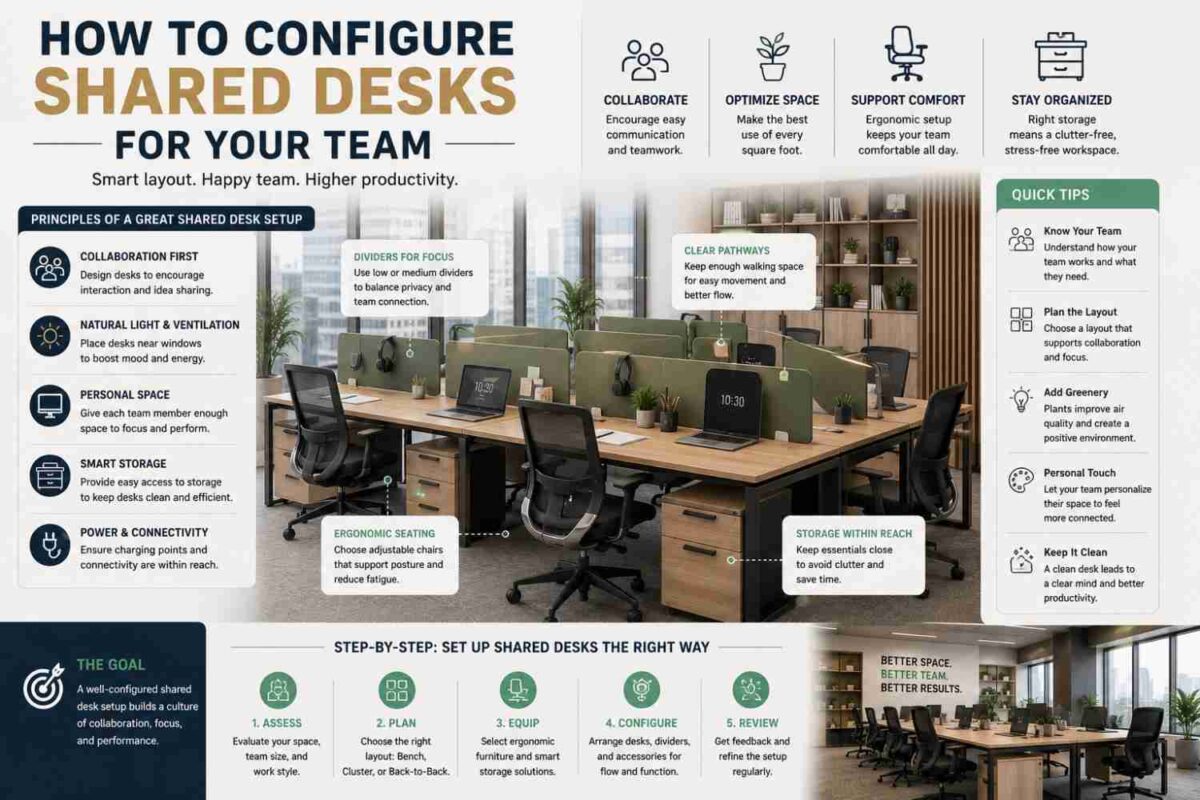
Mesh seating is usually the better fit for employee workstation areas, project teams, training rooms, and shared work zones. Here, breathability, adjustability, and movement matter more than executive presence. A coordinated range of mesh task chairs also makes it easier to maintain a consistent look across two-person, four-person, and six-person workstation configurations.
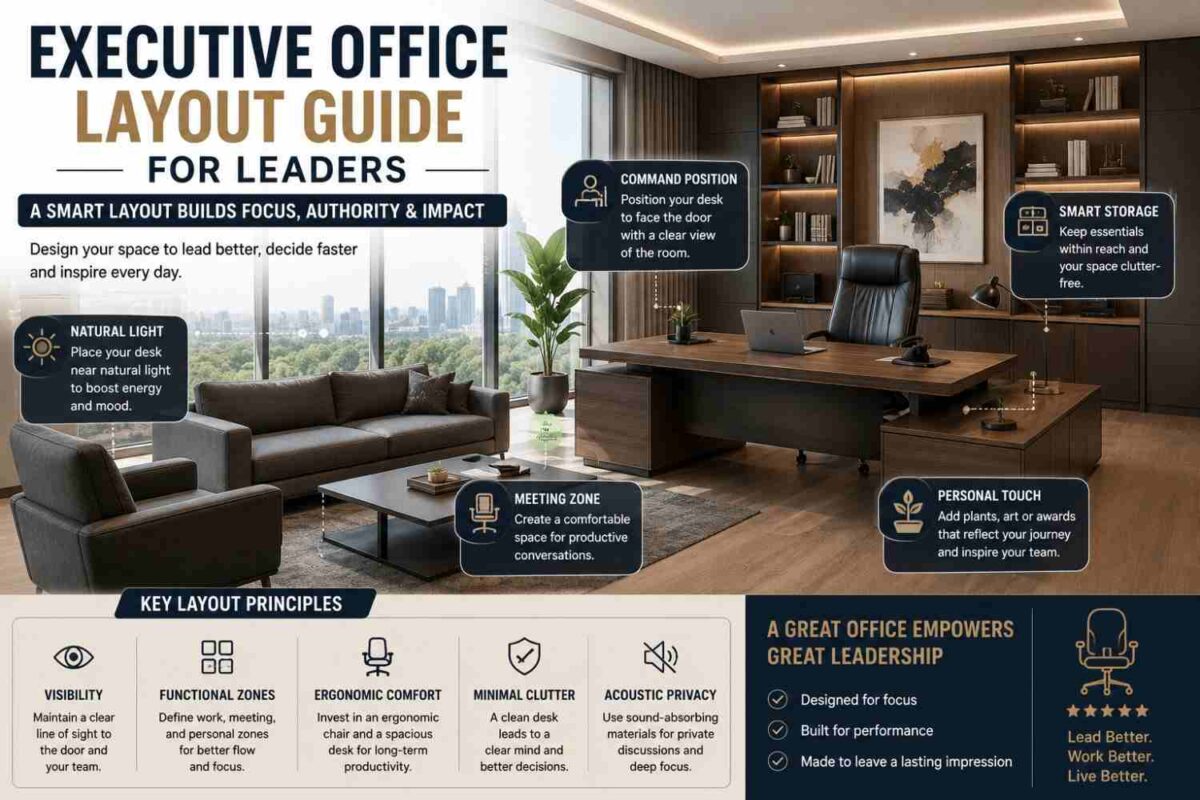
Leather seating is often best reserved for executive offices, boardrooms, reception-adjacent meeting rooms, and private client consultation spaces. In these locations, the chair contributes to the room’s overall status and helps create a strong impression alongside premium desks and meeting tables.
For conference rooms, the answer depends on meeting length. Mesh conference chairs suit long collaborative sessions and modern, technology-focused interiors. Leather boardroom chairs suit leadership meetings, presentations, and spaces where a more formal atmosphere is desired. A medium-back design with good tilt support often offers the best compromise for meeting rooms used throughout the day.
Evaluate the Chair Beyond Its Surface Material
A mesh backrest or leather upholstery should never be the final deciding factor. Before approving a seating range, review the operating features that affect daily performance.
Seat height adjustment is essential for aligning users with desks and monitors. A tilt mechanism with tension control allows comfortable recline without losing support. Lumbar adjustment helps accommodate individual posture, while adjustable armrests reduce shoulder strain when users type or use a mouse. For task seating, a stable five-star base and smooth casters suited to the floor surface are non-negotiable.
For leather executive chairs, assess the foam density and how the chair supports the lower back, not only the softness of the cushioning. Excessively soft padding can feel luxurious in a showroom yet provide limited support across a full workday. Look for a structured seat, reliable recline mechanism, and armrests that sit at a practical working height.
It is also worth considering proportions. A tall user may need greater seat depth and back height; a smaller user may need a narrower seat and lower armrest range. When furnishing a team, choose models with enough adjustment range to serve the majority rather than buying chairs around a single person’s preferences.
A Smarter Seating Mix for Growing Businesses
Startups often need to make one chair model cover every role, but growth creates an opportunity to refine the plan. Begin with ergonomic mesh chairs where most work happens. As leadership offices, client areas, and formal meeting rooms take shape, introduce leather executive seating to establish hierarchy and visual distinction.
This mixed approach also supports budget control. Invest in stronger ergonomic mechanisms for the employees who use task chairs all day, then select leather chairs where their premium finish has the greatest impact. Coordinating colors, bases, and desk finishes keeps the office unified even when seating materials differ.
Desk Craft approaches seating as part of a complete workplace system. Pair breathable mesh backrests with efficient workstation clusters, then use executive leather chairs with premium desks and boardroom furniture to give each zone a clear purpose.
The right chair should make work feel easier and the office feel more intentional. Specify mesh where sustained movement, airflow, and adjustable support drive performance. Specify leather where authority, comfort, and executive presentation deserve a prominent place. When each seat matches the work happening around it, the entire office carries itself with greater confidence.