Blog
Boardroom Tables That Command Better Meetings

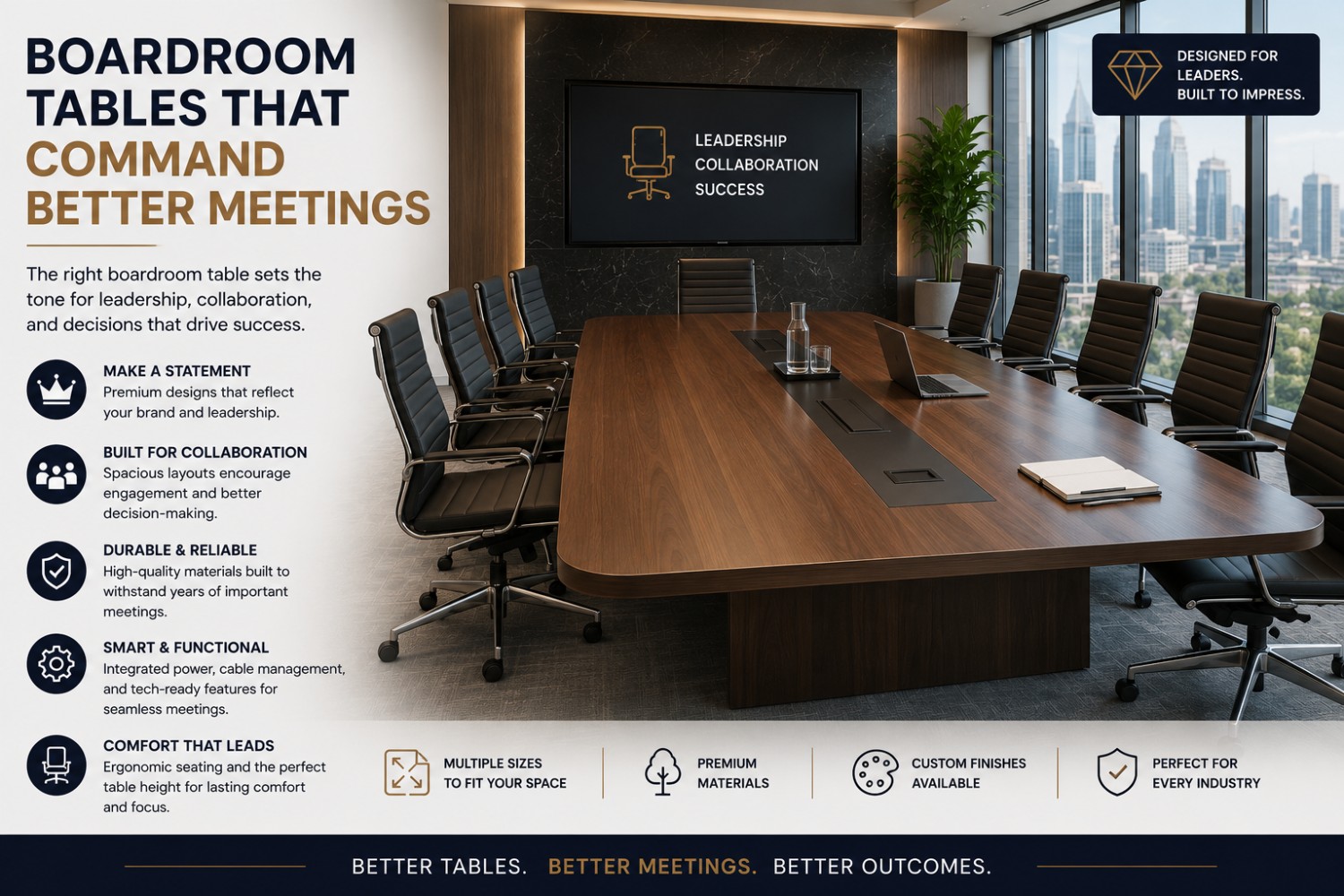
A meeting room can have excellent screens, comfortable chairs, and polished finishes, yet still feel unprepared for serious work if the table is undersized, poorly proportioned, or visibly tired. Boardroom tables set the physical center of leadership discussions, client presentations, project reviews, and commercial negotiations. The right choice supports focused decisions while presenting the organization with authority and confidence.
For office managers, procurement teams, and business owners, this is not simply a question of selecting a surface in the right color. A boardroom table must work with the room dimensions, number of attendees, seating plan, power requirements, and visual language of the wider workplace. It should also maintain its professional appearance through years of daily use.
Start With the Way Your Meetings Actually Work
The most successful meeting rooms are planned around behavior, not maximum capacity alone. Consider whether the room will host short internal stand-ups, formal executive reviews, video conferences, client pitches, or collaborative workshops. Each use affects the table shape, size, cable management, and chair selection.
A leadership team meeting for six people may need generous personal space, a refined executive finish, and easy access to power. A project room for 12 people may benefit more from a practical modular arrangement that can be reconfigured when the team needs open floor space. Client-facing boardrooms often require both: a strong visual statement and dependable daily functionality.
It also helps to consider who will occupy the seats most often. If senior executives and external guests use the room, the table should feel substantial without overwhelming the space. If teams regularly bring laptops, notebooks, sample materials, and multiple displays into the room, usable tabletop depth becomes as important as overall length.
Choose Boardroom Tables by Seating Capacity
A table should give every participant enough elbow room to work without making conversation difficult. Crowding people together creates an uncomfortable impression, while an oversized table can make a small group feel disconnected.
As a practical benchmark, allow around 30 inches of table edge per person for laptop-based meetings. More space is preferable for executive meetings, detailed presentations, or rooms where attendees use documents and refreshments. In a typical layout, a 6-person boardroom table works well at approximately 72 to 96 inches long, while an 8- to 10-person table often needs 120 inches or more. Larger 12- to 16-person configurations need careful room planning, particularly when high-back executive chairs are included.
The surrounding clearance matters just as much. Allow enough room for people to pull chairs back, walk behind seated guests, and access cabinets, presentation screens, or doors without interruption. A table that technically fits can still make the room feel congested. For many offices, maintaining roughly 36 to 48 inches of circulation space around the table creates a more comfortable result.
Match the Shape to the Conversation
Rectangular tables remain the standard for formal boardrooms because they create a clear sense of direction and work well in long rooms. They suit presentations at either end of the space and provide a structured setting for senior-level meetings.
Boat-shaped tops soften the straight lines of a rectangular table while giving participants better sightlines across the room. This makes them particularly effective for video calls and presentations where everyone needs a view of the screen.
Racetrack and oval designs encourage a more inclusive conversation, with no hard corners and a less hierarchical feel. They are a strong fit for creative agencies, collaborative teams, and meeting rooms that serve several departments. Round tables work best for smaller groups and equal participation, but their footprint can be inefficient in narrow rooms.
For larger spaces, modular boardroom tables provide useful flexibility. Multiple sections can create one long conference surface, break into smaller meeting tables, or be rearranged for training sessions. The trade-off is visual continuity: a single-piece executive table usually carries greater presence, while modular systems place adaptability first.
Materials and Finishes That Carry Professional Weight
The material and finish should reflect the office brand while meeting the demands of commercial use. A boardroom is often where visitors form their first detailed impression of a business. Scratched surfaces, unstable bases, and mismatched finishes can undermine an otherwise well-designed workplace.
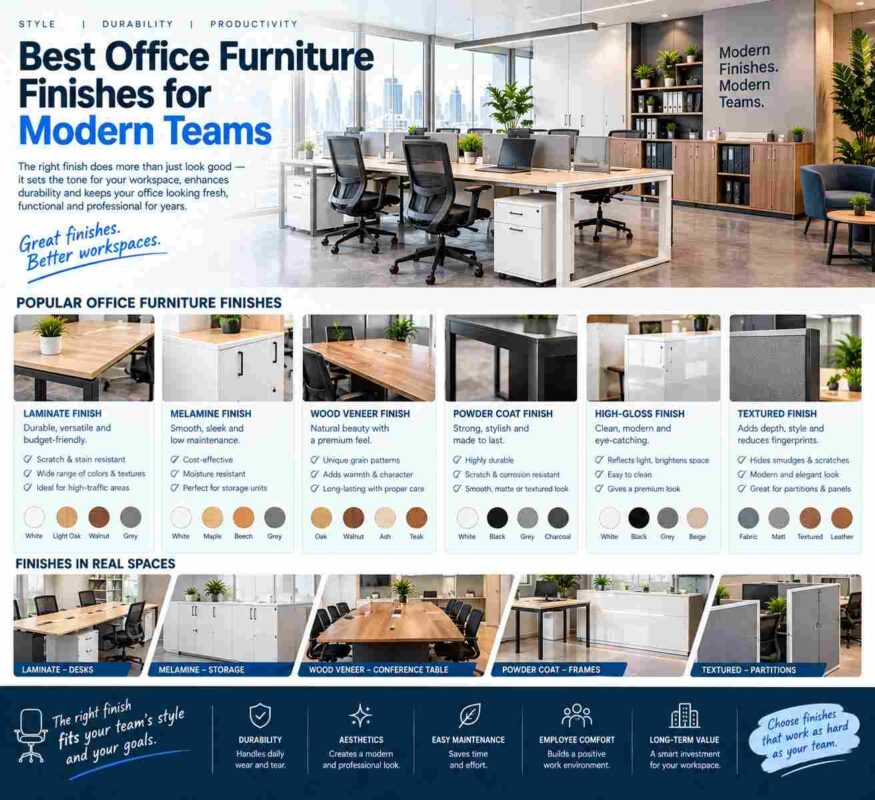
Wood-look laminate is a practical choice for high-use meeting rooms. It can provide the warmth of oak, walnut, or dark executive woodgrain while offering strong resistance to everyday marks and easier maintenance. Premium laminate finishes are especially suited to growing businesses that need durability, consistent color, and controlled furnishing costs across multiple rooms.
Veneer and solid wood finishes create a more elevated executive character. They bring depth and natural variation to a space, making them well suited to law firms, financial offices, consulting practices, and corporate headquarters. These finishes require more care than laminate, but their visual status can justify the investment in a flagship boardroom.
Glass tops create a lighter, more contemporary profile and can help compact rooms feel more open. However, they show fingerprints, may create glare under strong lighting, and are not always ideal for frequent laptop work. A glass design is most effective when paired with thoughtful lighting, cable control, and a disciplined cleaning routine.
Bases deserve equal attention. A substantial panel base supports an executive look and can conceal cabling, while pedestal or metal leg designs create more legroom and a lighter visual effect. The best option depends on the number of seats, placement of floor boxes, and whether the room needs an accessible layout for all participants.
Build Technology Into the Table Plan
A polished room loses momentum when attendees crawl under the table looking for outlets. Power and data access should be planned before the table is ordered, not treated as an afterthought.
For most modern meeting rooms, integrated power modules with electrical outlets, USB charging, and cable pass-throughs are a worthwhile addition. Larger boardrooms may need multiple access points so attendees are not stretching cables across walkways. Recessed boxes with lids keep the surface orderly when not in use, preserving the clean executive finish.
Video conferencing also affects placement. Make sure the table aligns comfortably with the screen, camera, and microphone system. A table that is too long or too deep can push participants outside the camera frame or make remote attendees feel distant. In hybrid meetings, the physical table should help people see and hear one another, not create another barrier.
If the building uses floor boxes, confirm their exact locations before finalizing the base design. If power must run from a wall, select a table with concealed cable channels or modesty panels that keep wiring out of sight. Good cable management is a small detail with a significant effect on professional presentation.
Pair the Table With Seating and Storage
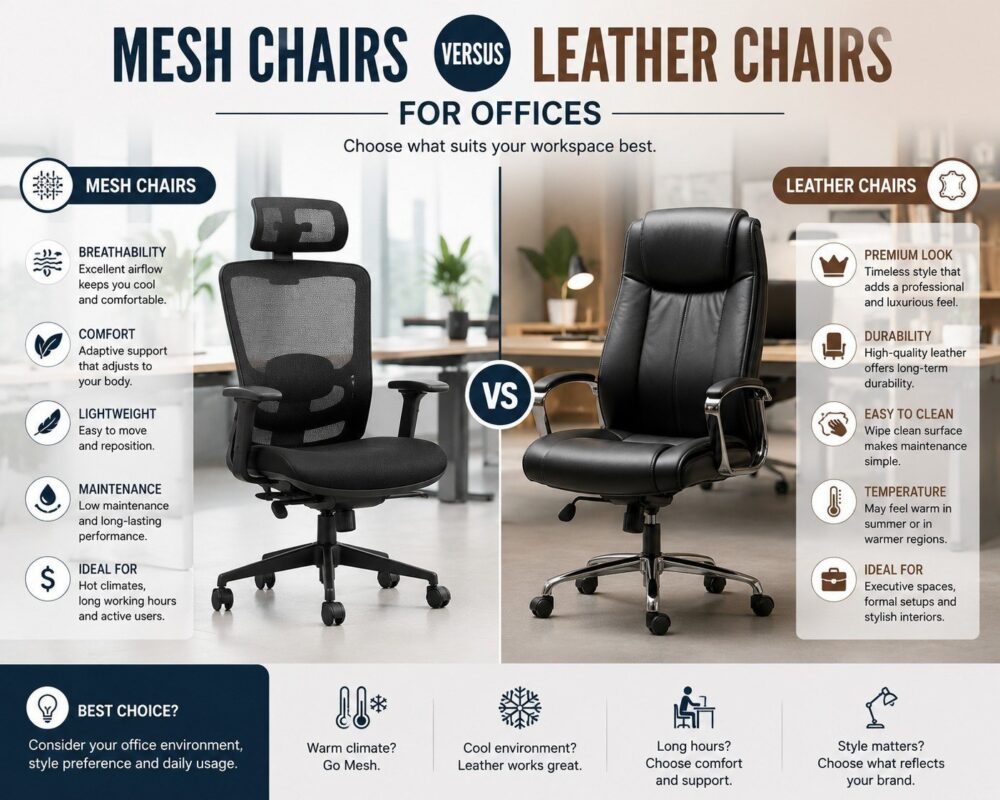
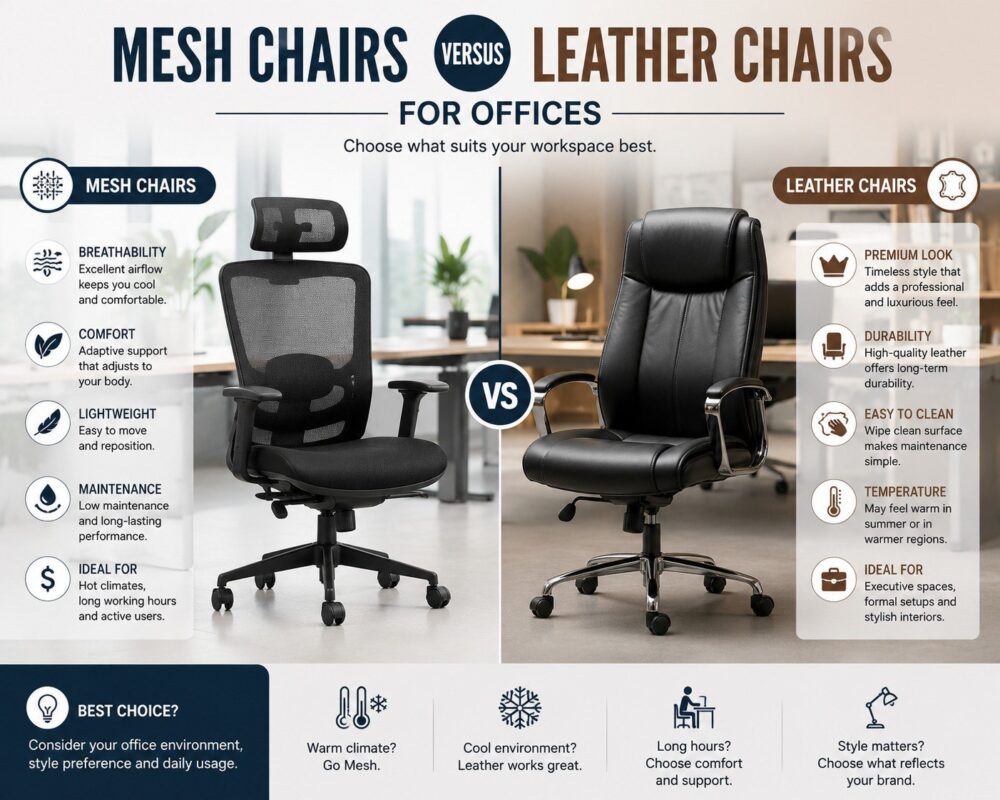
Boardroom tables perform best as part of a coordinated meeting-room system. Chairs should match the table’s scale and finish while providing appropriate comfort for the expected meeting length. High-back executive leather chairs project authority in a formal boardroom, while ergonomic mesh seating can be a smarter choice for rooms used daily by project teams.
Chair dimensions must be included in the floor plan. Wide executive seating gives a premium impression, but it reduces the number of usable places around the table. Adjustable chairs with supportive backrests and high-density foam cushioning allow guests to remain comfortable during longer discussions without making the room appear overly casual.
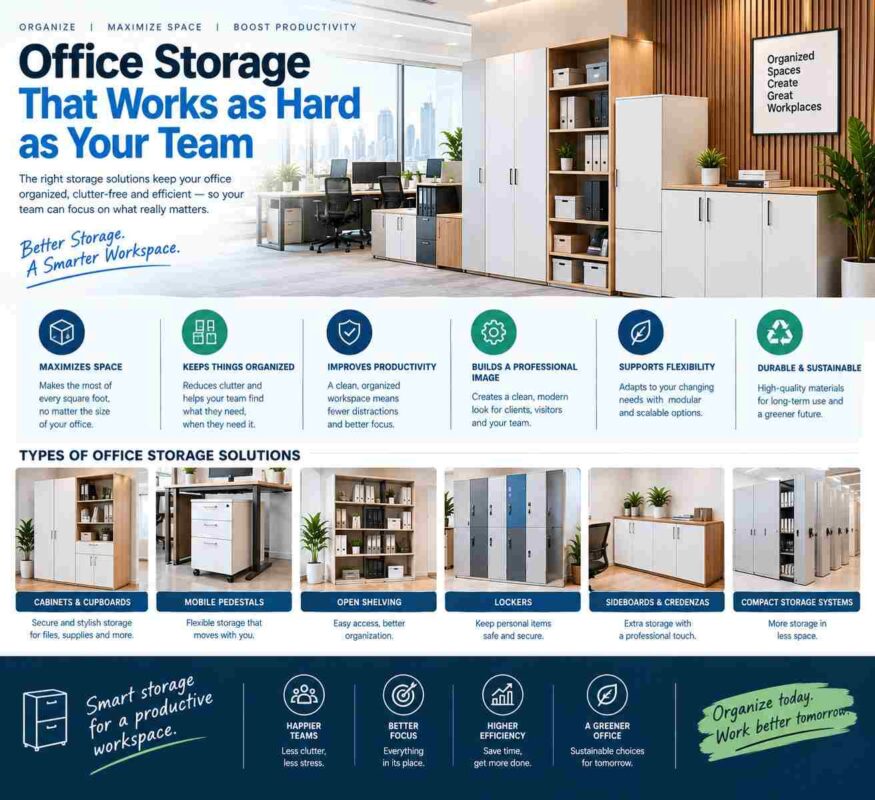
A credenza, storage cabinet, or low filing unit can keep presentation materials, stationery, chargers, and refreshments close at hand. This prevents the tabletop from becoming a temporary storage area. Coordinating the meeting table with executive desks, reception furniture, workstation finishes, and lounge seating also gives the office a more intentional identity.
Specify for Daily Use, Not the Showroom Floor
Before approving a purchase, review the tabletop thickness, edge treatment, base construction, and warranty conditions. Commercial-grade boardroom furniture should feel stable when participants lean on it, write on it, or adjust their seating. Wobble is not a minor inconvenience in a senior meeting room – it immediately signals poor quality.
Measure the room carefully, including door swings, glass partitions, built-in cabinets, and the path required to deliver the table. A large one-piece top may offer the strongest visual statement but can be difficult to bring through elevators, corridors, or narrow entries. In these cases, sectional or knock-down construction can be the practical choice without sacrificing a premium finish.
Custom dimensions are worth considering when a standard table leaves too much unused space or does not align with existing power points. Desk Craft can support coordinated office furnishing choices across meeting rooms, executive spaces, workstations, storage, and reception areas, helping businesses create a consistent professional environment rather than a collection of unrelated pieces.
A boardroom table should make people feel prepared before the first agenda item appears on screen. Choose one with the proportions, materials, and integrated functionality to support the conversations that move your business forward.