Blog
Best Chairs for Long Meetings That Perform

A 90-minute strategy session can expose every weakness in a meeting room chair. When the seat feels hard, the back offers no real support, or armrests sit at the wrong height, attention shifts from the agenda to physical discomfort. The best chairs for long meetings keep people composed, supported, and engaged while reinforcing the professional standard of the room.
For business owners, office managers, and procurement teams looking for meeting room chairs in Dubai and Abu Dhabi, seating is not simply a finishing detail. It affects how confidently clients receive a presentation, how effectively teams make decisions, and whether a boardroom remains comfortable through reviews, workshops, and negotiations. The right chair must balance ergonomic performance with an appearance appropriate for leadership and client-facing spaces.
What the Best Chairs for Long Meetings Need
A meeting chair should support a range of body types without turning the room into a collection of mismatched task chairs. Start with the elements that determine whether seating will perform after the first 30 minutes: back support, seat comfort, posture control, materials, and room layout.
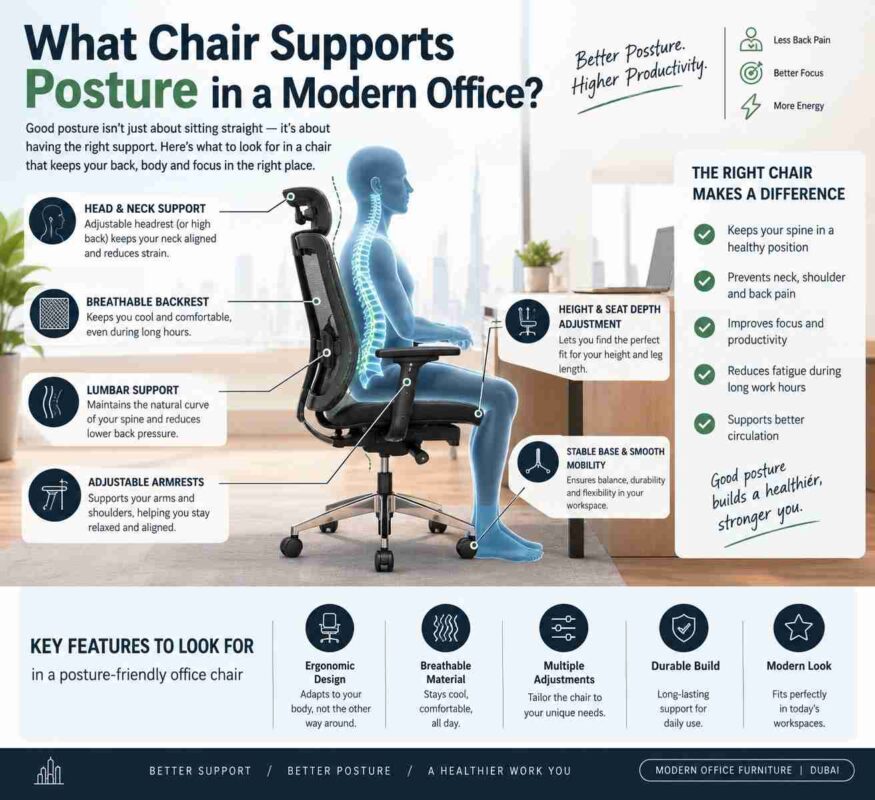
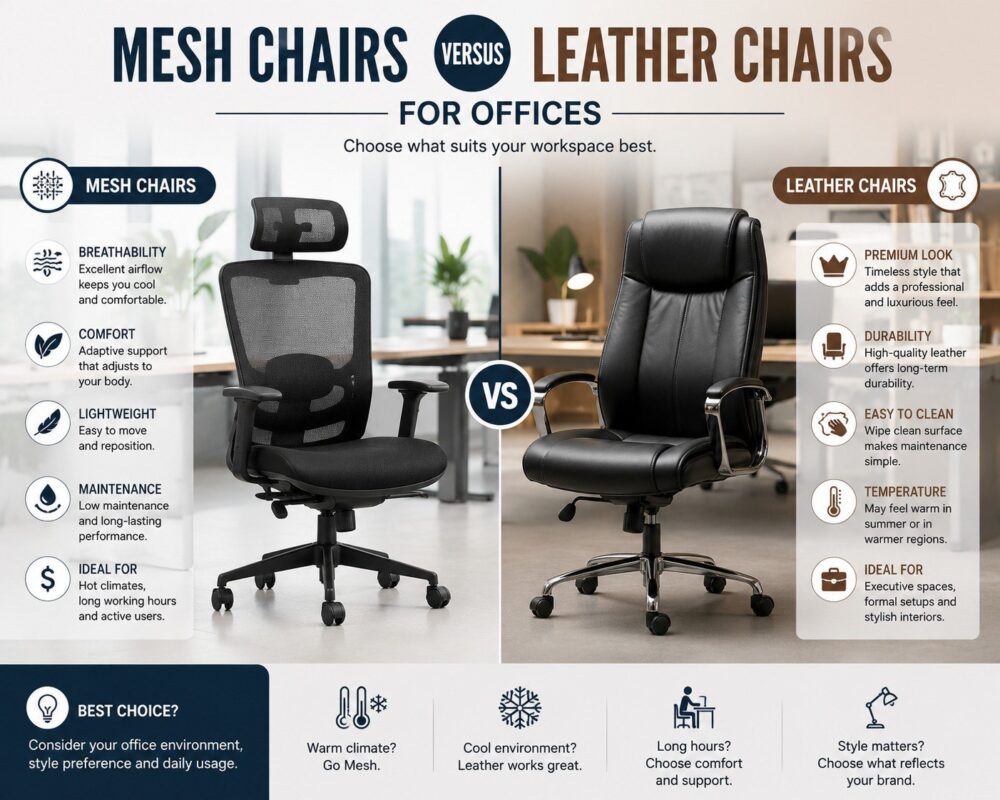
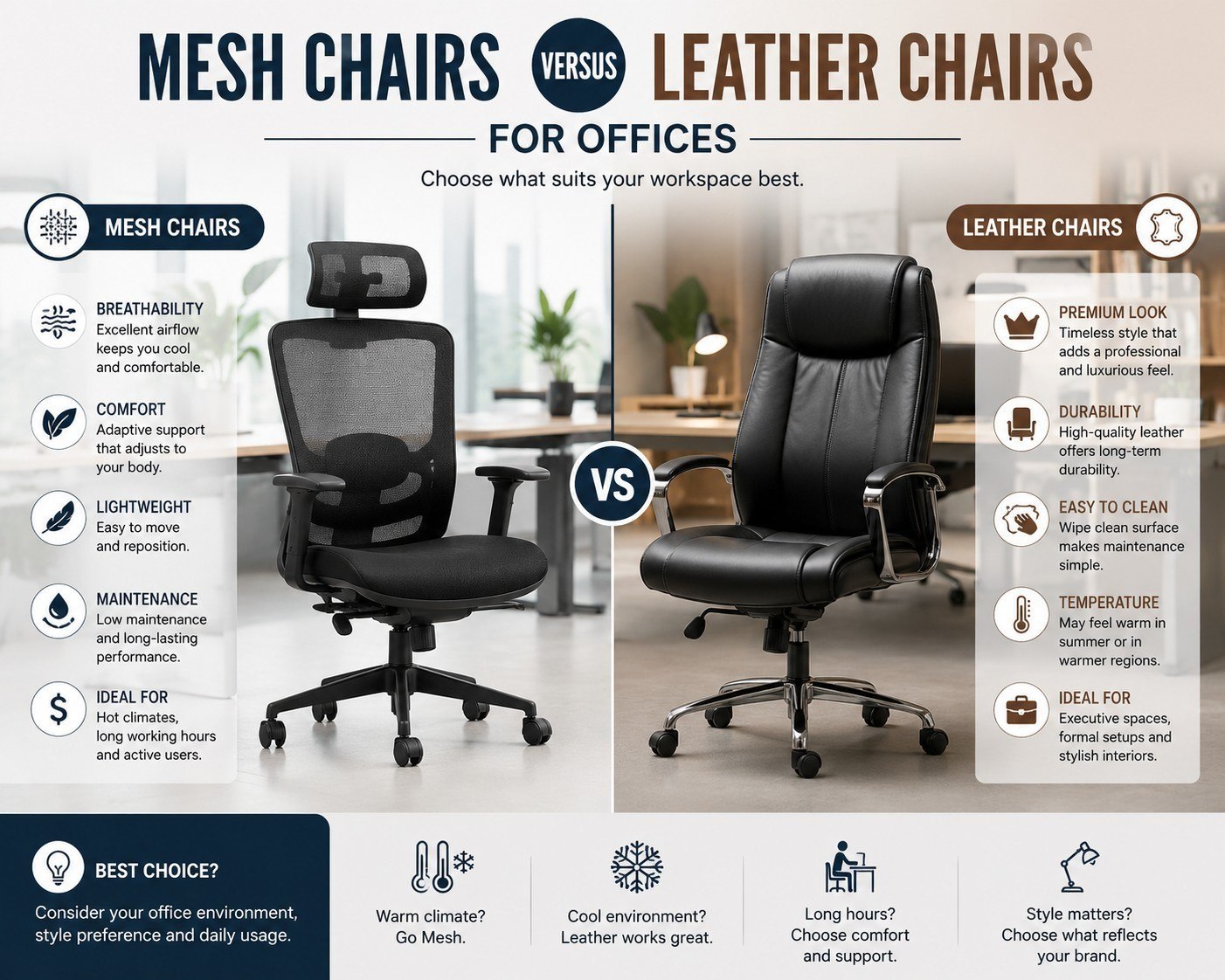
The backrest needs to follow the natural curve of the spine, especially through the lower back. A breathable mesh backrest provides responsive support and allows air circulation in rooms that host frequent meetings. It suits modern boardrooms, training areas, and collaborative offices where comfort and a lighter visual profile are priorities.
Padded executive chairs offer a different advantage. High-density foam paired with a supportive upholstered or leather back creates a more substantial sit and a stronger visual statement. This option works particularly well in executive meeting rooms, formal conference spaces, and areas where authority and comfort need equal consideration.
Seat depth also matters more than many buyers expect. A seat that is too deep can press behind shorter users’ knees and make it difficult to use the backrest properly. One that is too shallow may leave taller guests under-supported. For rooms used by varied teams and visitors, choose chairs with a moderate seat depth, a gently rounded front edge, and adequate cushioning rather than excessively soft padding.
Choose the Chair Type for the Room’s Role
No single chair is right for every meeting setting. The room’s purpose, duration of use, visitor profile, and table design should guide the selection.
Ergonomic mesh chairs for active collaboration
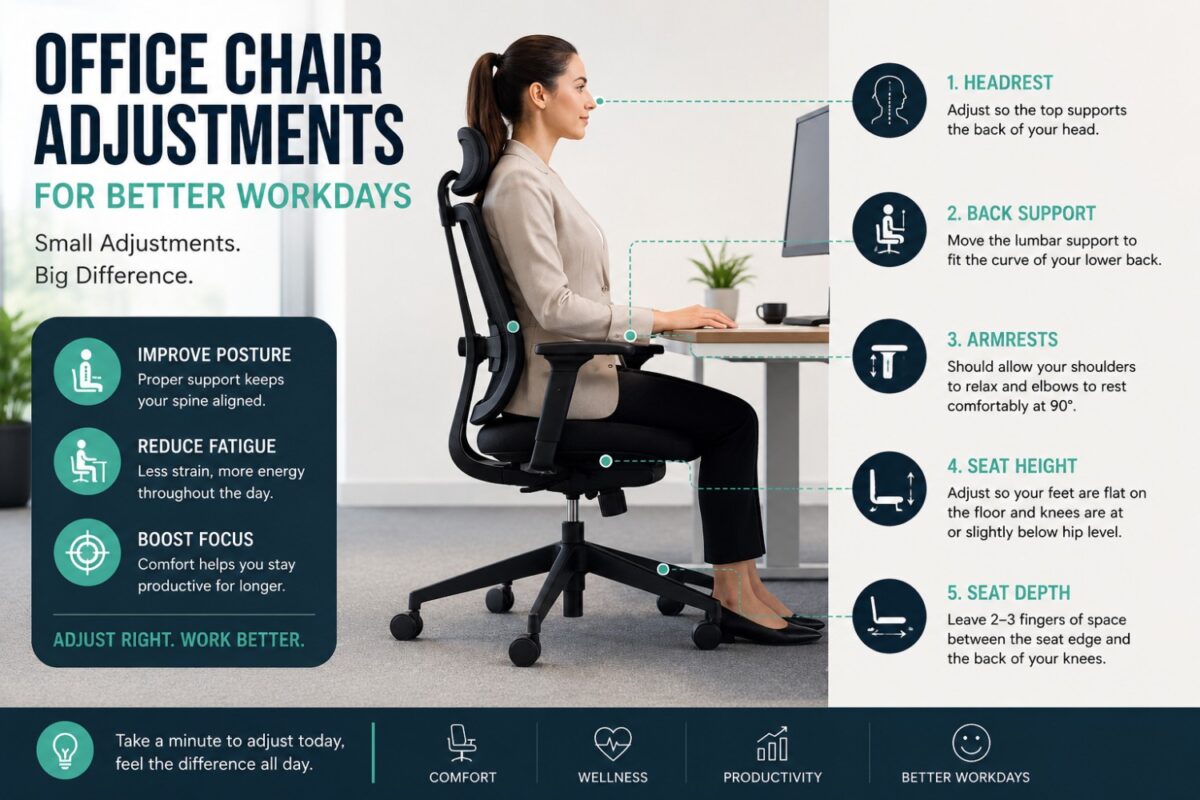
Ergonomic mesh chairs are often among the strongest choices for recurring internal meetings. Their breathable construction helps people stay comfortable during long discussions, while adjustable mechanisms allow regular users to refine seat height, tilt tension, and armrest position. A synchronized tilt is especially valuable because it lets the seat and back move together as the user shifts posture.
This category fits project rooms, team meeting zones, and conference rooms used daily. Select a model with a stable five-star base, smooth casters appropriate to the flooring, and a clean profile that slides under the table when not in use. A mesh chair can look highly professional, but its design should still match the scale and finish of the meeting table.
Executive leather chairs for boardrooms
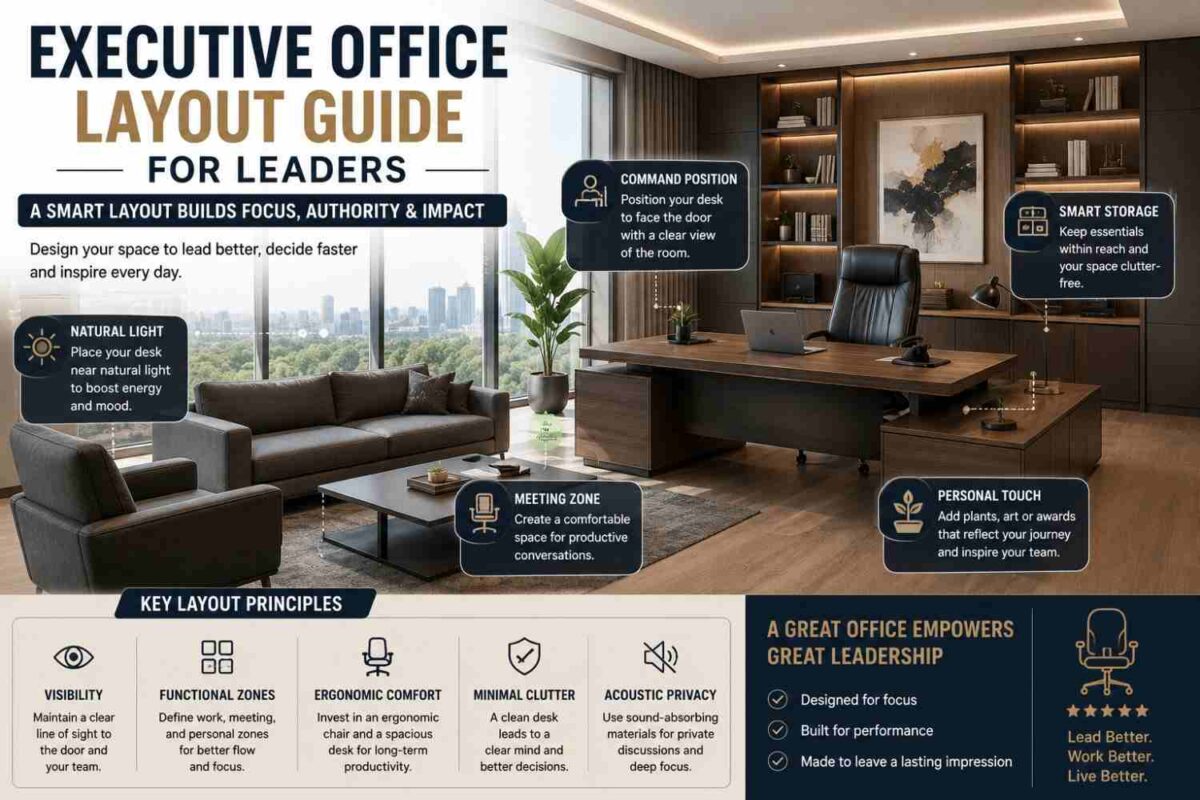
An executive leather chair signals permanence, leadership, and client confidence. Its upholstered surfaces, structured silhouette, and premium finish make it a natural choice at the head of a boardroom table or throughout a formal executive conference room. Quality foam and a well-shaped backrest prevent the chair from becoming merely decorative.
There is a trade-off. Leather and leather-look finishes generally present a more formal character than mesh, but they can feel warmer during extended use and need careful material selection in high-use environments. Look for durable upholstery, supportive foam, and a tilt mechanism rather than relying only on visual impact. The chair should communicate authority without asking guests to sacrifice comfort.
Training and visitor chairs for flexible meeting spaces
For seminars, short workshops, induction sessions, and multipurpose rooms, a streamlined visitor chair or training chair may be the sensible choice. Stackable or lightweight models make reconfiguration easier, particularly where the room changes between presentations, group sessions, and classroom-style layouts.
These chairs are best for meetings that run shorter or include frequent movement. If training sessions regularly extend beyond two hours, prioritize a contoured back, padded seat, and sufficient spacing between rows. A flexible chair without comfort can make a room easier to reset but harder to use.
Adjustability Is a Business Requirement, Not an Extra
A chair’s adjustment range determines whether it can serve multiple employees and visiting clients with equal credibility. At minimum, meeting chairs used for long sessions should have pneumatic seat-height adjustment and a controlled recline or tilt function. Height adjustment allows users to maintain a practical relationship with the table, typically with forearms resting comfortably near tabletop level instead of shoulders lifted or wrists bent.
Adjustable armrests are valuable when the room hosts extended working meetings with laptops, documents, or note-taking. They reduce strain through the shoulders and allow users to bring the chair closer to the table. In a tighter boardroom, however, fixed arms may offer a cleaner, more consistent look and prevent chairs from catching on table edges. The right choice depends on table clearance and how the room is used.
Lumbar adjustment is worth prioritizing when the same team uses the room often. For a visitor-heavy room, a well-contoured fixed lumbar area can be more practical than multiple controls that guests may not use. This is where commercial-grade design earns its value: the chair should feel intuitive before anyone begins adjusting it.
Plan the Chair Around the Table, Not Separately
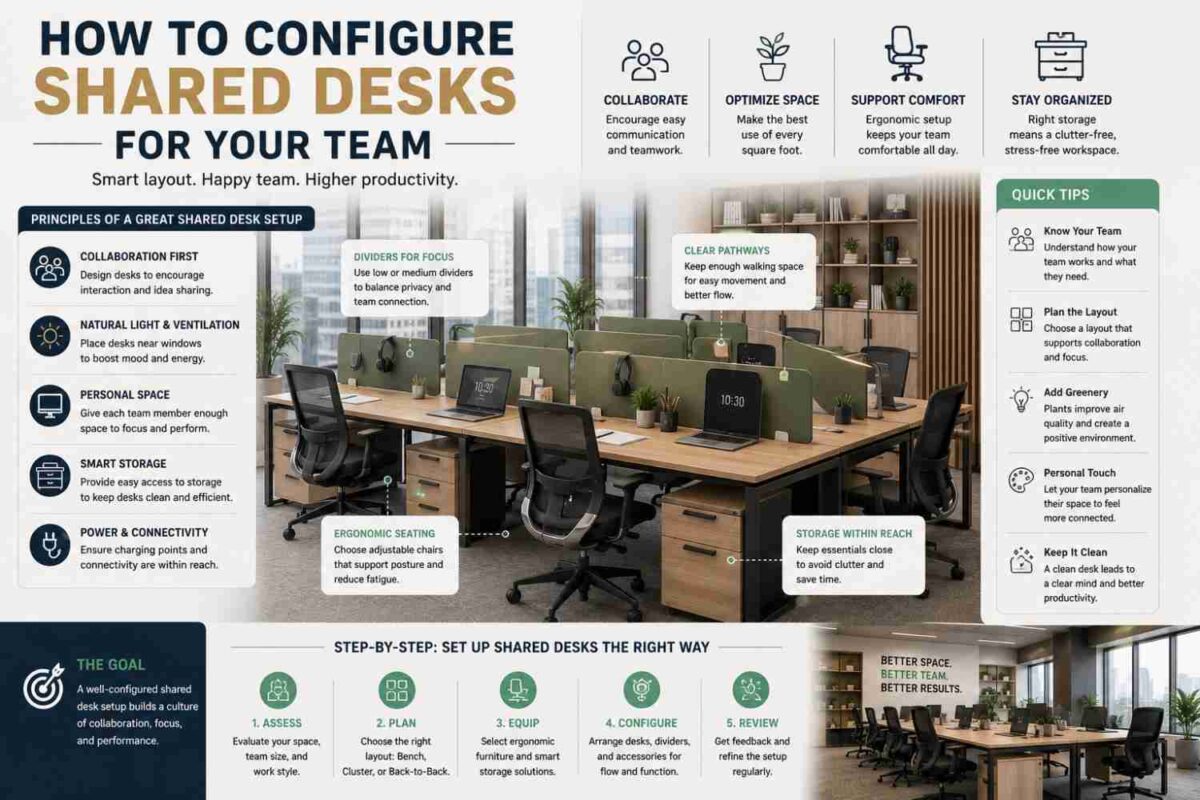
Even an excellent chair performs poorly if it is oversized for the table or crowded into the room. Before selecting a model, confirm the table height, leg design, under-table clearance, room dimensions, and intended seat count. Arm width is particularly relevant. Eight generous executive chairs may require substantially more perimeter space than eight slim mesh chairs.
Allow enough room for someone to pull back their chair, stand, and move behind seated colleagues without interrupting the meeting. A cramped layout makes a premium table feel less impressive and creates unnecessary friction during client meetings. Where space is limited, choose a chair with a narrower footprint, lower arms, and a back height that complements rather than overwhelms the table.
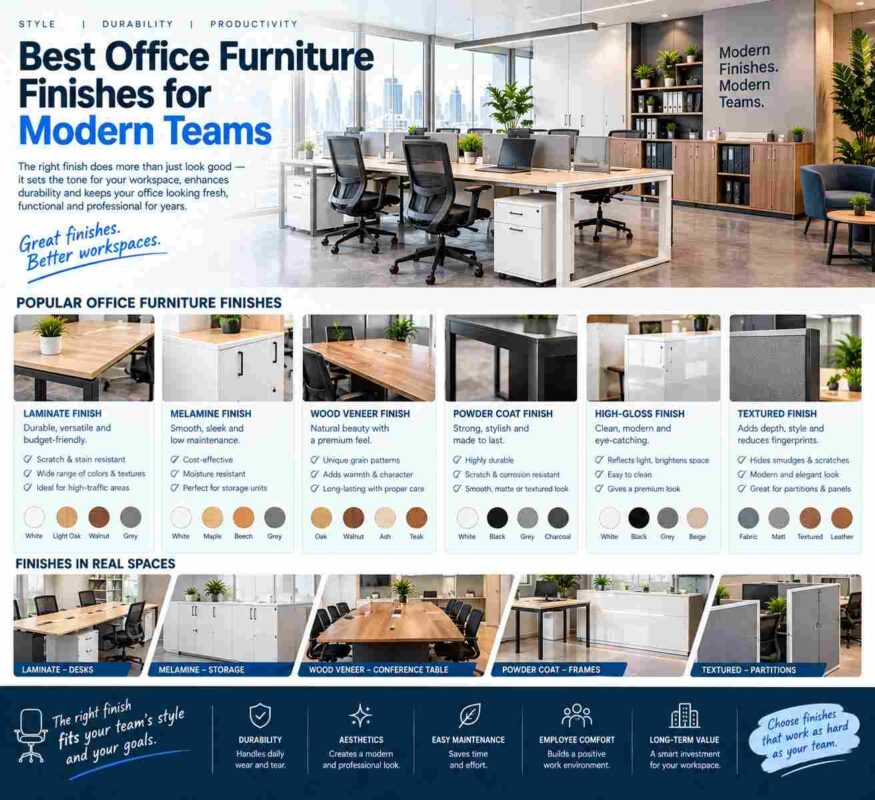
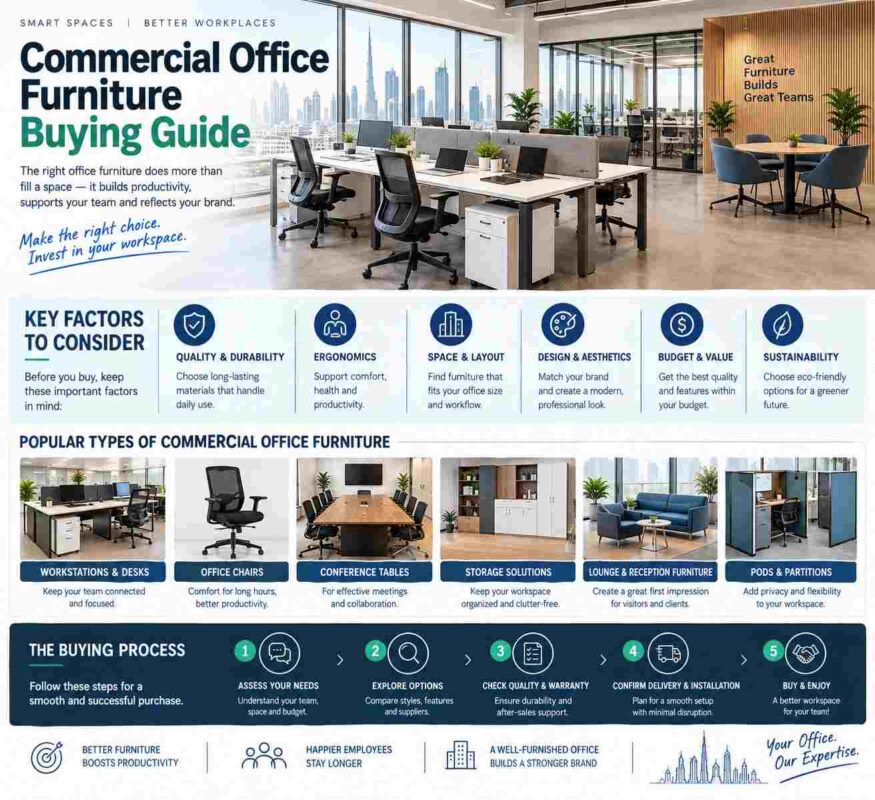
Color and finish should also connect with the wider workplace. Black mesh and polished metal suit contemporary workstations and glass or wood meeting tables. Tan, brown, or black executive upholstery works well with rich wood finishes and more formal interiors. Coordinated seating, storage, reception furniture, and executive desks create an organized visual language that strengthens professional presentation.
Materials That Stand Up to Daily Use
Meeting rooms are shared assets. Chairs must withstand frequent movement, varied users, and regular cleaning while retaining their structure and finish. Commercial-grade bases, quality casters, reinforced frames, and durable upholstery are more valuable than a low initial price if the room is in constant use.
Breathable mesh is practical for high-occupancy offices because it resists the heavy, enclosed feel of full upholstery. Fabric upholstery can add warmth and acoustic softness, although it should be selected for stain resistance and maintenance requirements. Leather or quality leather-look upholstery delivers executive presence and is easy to wipe down, but should be chosen with attention to stitching, padding, and edge wear.
Check the chair’s weight capacity, warranty terms, mechanism quality, and replacement-part availability before finalizing a larger order. Procurement decisions are stronger when comfort, finish, and lifecycle cost are assessed together. A chair that looks polished on delivery but loosens, fades, or loses cushioning quickly does not protect the investment.
A Better Standard for Meeting Room Seating
The best purchase is rarely the most imposing chair or the lowest-priced option. It is the chair that matches the meeting’s purpose, supports the people in it, and maintains its professional appearance after years of use. Desk Craft approaches meeting seating as part of a complete workplace environment, where the boardroom table, executive finishes, workstation design, and visitor experience all need to work together.
Give long meetings a chair designed to carry their weight. When people can sit comfortably, move naturally, and stay focused on the decision in front of them, the meeting room becomes a stronger setting for the work that matters.