Blog
Round Meeting Tables Dubai for Better Meetings

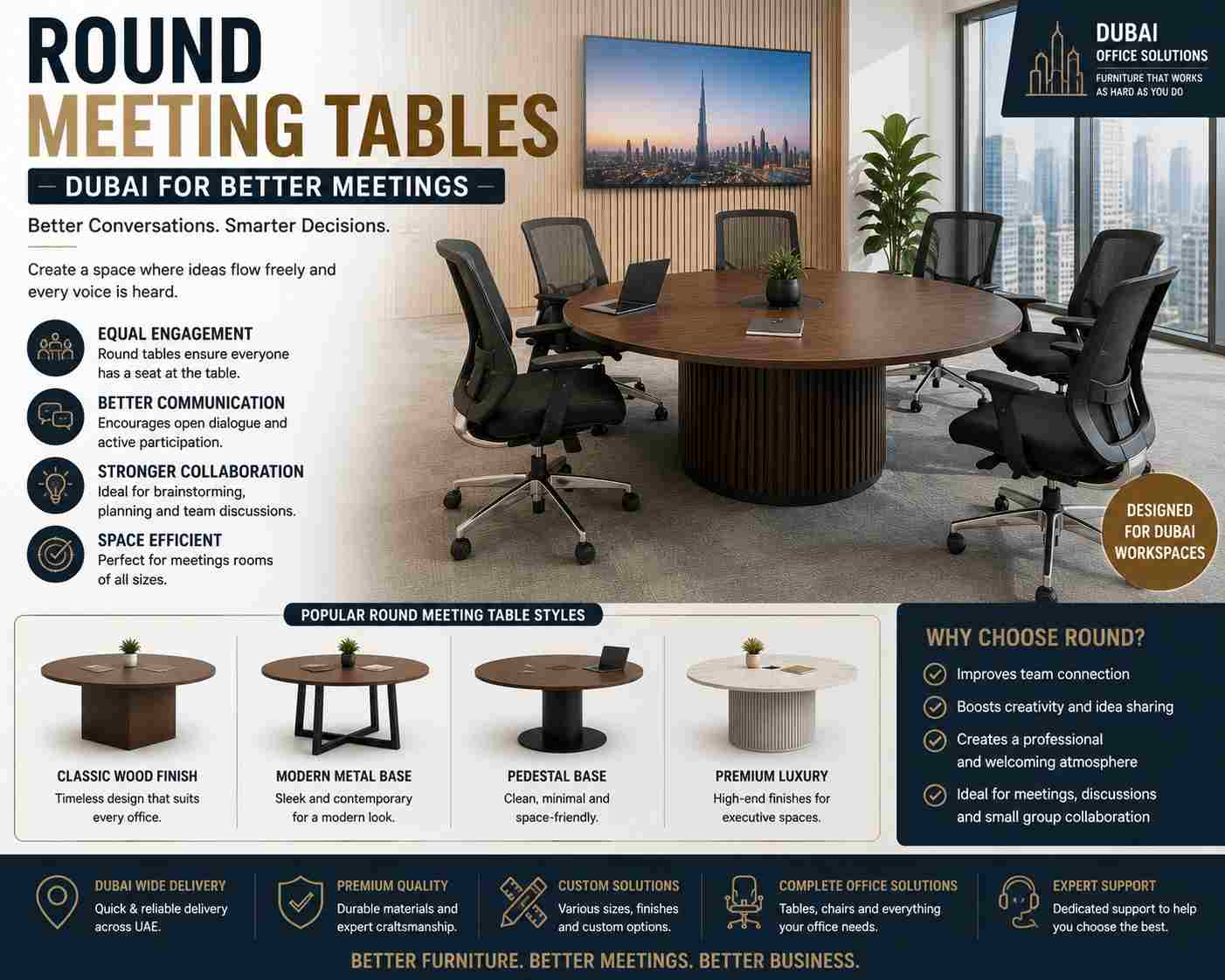
A meeting room can signal confidence before anyone takes a seat. For client reviews, project discussions, interviews, and leadership check-ins, round meeting tables Dubai businesses choose can make a compact room feel more welcoming, balanced, and purpose-built. The right table supports clear conversation while presenting a polished image of how your organization works.
A round table is not the right answer for every boardroom. Long, formal presentations and large leadership teams often need the scale of a rectangular conference table. But for everyday collaboration, smaller groups, and client-facing spaces where participation matters, the circular format is a highly effective office investment.
Why Round Meeting Tables Work in Dubai Offices
A round meeting table removes the implied hierarchy of a traditional boardroom layout. There is no head of the table, no distant corner seat, and no need for participants to turn away from the conversation. Everyone has a clear line of sight, which can make discussions more direct and collaborative.
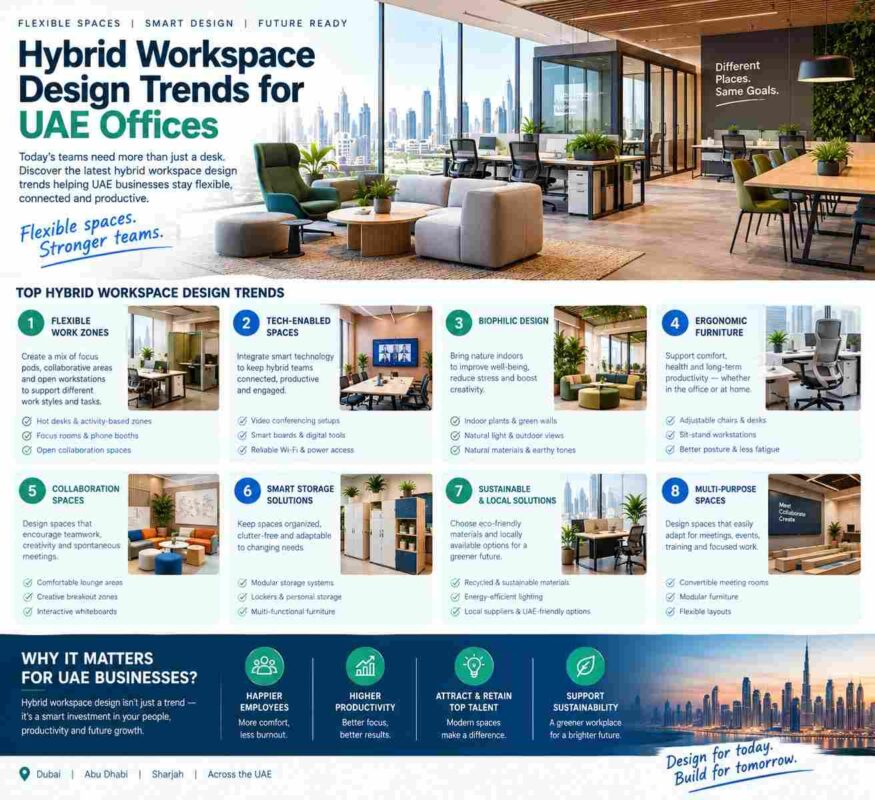
This matters in modern Dubai workplaces, where meeting rooms often serve several functions during the week. A startup may use one room for team stand-ups, interviews, supplier meetings, and investor conversations. A professional services firm may need a quiet setting for confidential client discussions. In both cases, a round table creates a more equal, approachable setting without sacrificing executive presence.
The format is also efficient in rooms with restricted dimensions. A circular tabletop has no sharp corners extending into circulation paths, so it can soften the layout of a small meeting room and make moving around the space easier. That benefit depends on correct sizing. A table that is too large will still make the room feel crowded, regardless of its shape.
Choose the Right Diameter and Seating Capacity
The first decision is not finish or color. It is capacity. Select a table around the number of people who will use the room most often, rather than the maximum number who might attend once a quarter. Oversizing a table reduces circulation, makes chairs harder to position, and can leave a room looking underused.
For two to four people, a compact round meeting table is well suited to interview rooms, manager offices, quick-touchdown areas, and small client consultation spaces. A diameter of approximately 36 to 42 inches typically provides a comfortable working surface for notebooks, tablets, and coffee service without taking over the room.
For four to six users, consider a tabletop around 48 to 60 inches in diameter. This is a practical choice for regular departmental meetings, creative reviews, and small team planning sessions. It gives attendees enough personal space while keeping conversation natural across the table.
Larger circular tables can accommodate six to eight people, but room clearance becomes increasingly important. As a working guideline, allow at least 36 inches between the edge of the table and the wall, storage cabinet, or other fixed furniture. More space is preferable when chairs need to slide back frequently or when the room receives client visitors. Also consider door swings, display screens, credenzas, and access to power points before finalizing dimensions.
Consider the Table Base, Not Just the Top
The base has a direct impact on comfort. A central pedestal base is often the most efficient option for round meeting tables because it gives participants greater freedom to position their legs and chairs. It also avoids the awkward seat placement that can occur when table legs occupy the perimeter.
A four-leg design can offer a more familiar, grounded look and may suit certain executive finishes. However, check where the legs sit in relation to expected chair positions. On a compact table, poorly placed legs can limit seating capacity or force users to sit too close together. For active meeting rooms, a stable base with a durable commercial-grade structure is essential.
Materials That Support a Professional Impression
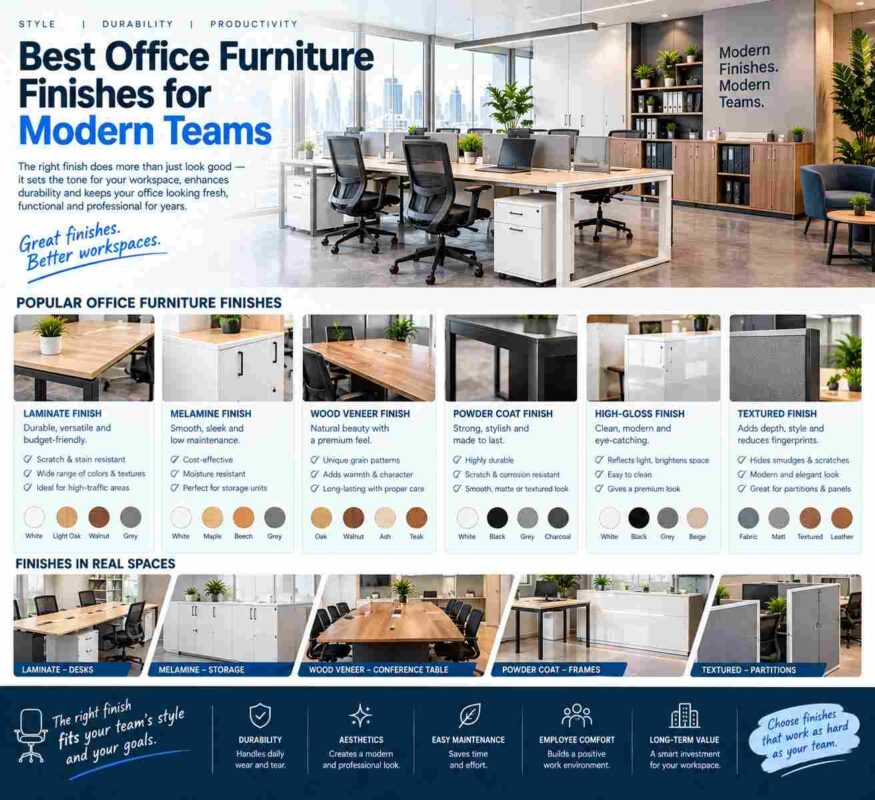
Meeting room furniture experiences regular contact from laptops, files, beverages, and visitors. The right surface should reflect the office design while standing up to daily use. Premium wood-look finishes bring warmth and authority to executive offices, client consultation rooms, and traditional corporate environments. They pair particularly well with executive leather chairs, credenzas, and refined storage pieces.
For contemporary offices, clean white, gray, black, or muted neutral finishes can create a sharper visual identity. A modern laminate tabletop is often a practical commercial choice because it is easy to maintain, resistant to everyday marks, and available in coordinated finishes across desks, workstations, and storage. The goal is not simply to match colors. It is to create visual order across the workplace.
Metal bases introduce durability and a more architectural profile, especially in industrial-inspired or design-led spaces. If the meeting room is visible from reception or positioned near an open-plan work area, a coordinated base finish can help the table feel intentional rather than added as an afterthought.
For client-facing rooms, avoid surfaces that show fingerprints, scratches, or dust immediately. A striking high-gloss finish can look impressive under the right lighting, but it may require more frequent maintenance than a textured or matte surface. The best choice depends on how the room is used and who is expected to see it.
Pair the Table With the Right Meeting Chairs
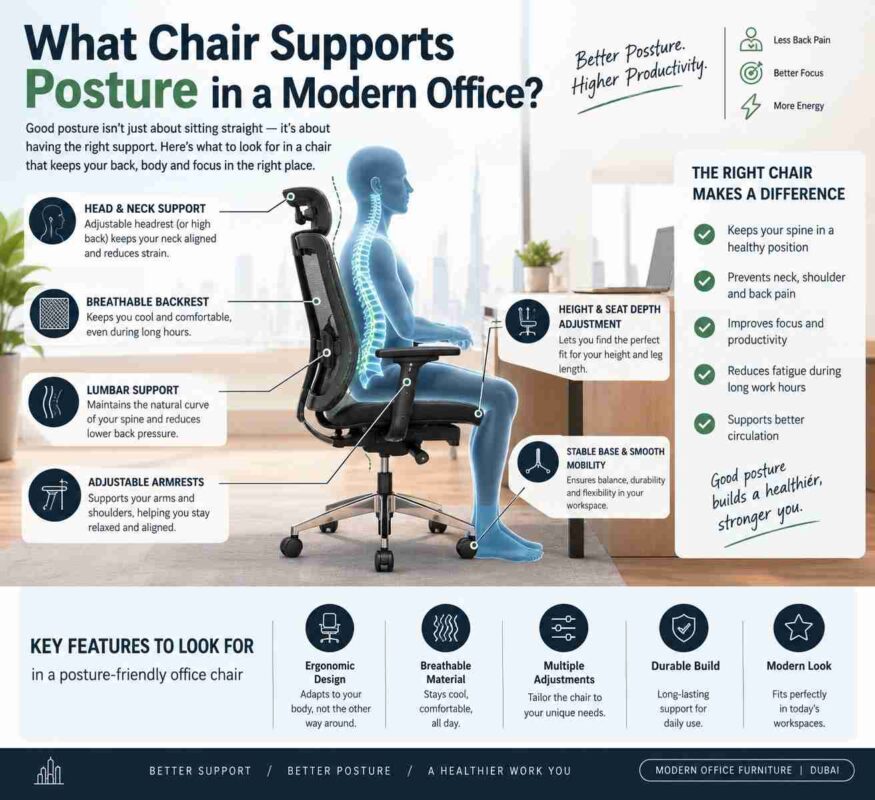
The table establishes the layout, but chairs determine whether people can stay focused through the meeting. For short discussions, a streamlined visitor chair can preserve a clean, compact appearance. For meetings that regularly run beyond 30 minutes, choose chairs with supportive cushioning, stable frames, and a comfortable back profile.
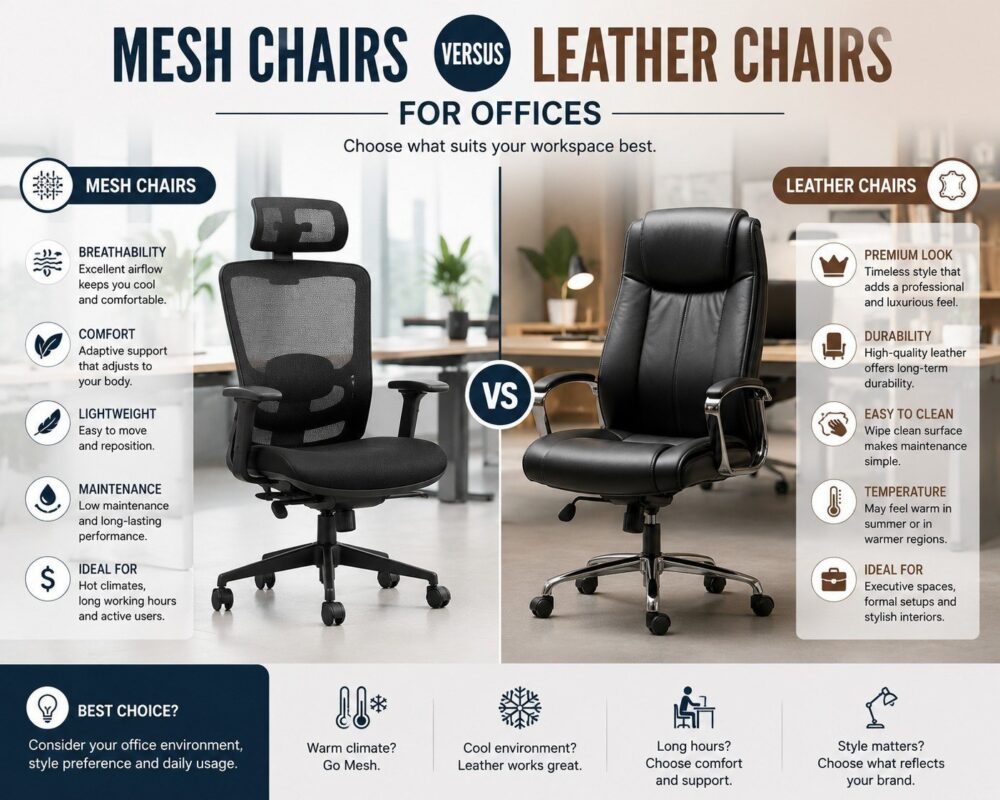
Conference and training chairs are a strong fit for adaptable meeting rooms because they balance professional presentation with practical mobility. If your team often rearranges the room for workshops or presentations, lightweight chairs or models with casters can reduce setup time. For more formal executive meeting spaces, upholstered seating or leather-look visitor chairs can reinforce authority and comfort.
Chair scale deserves as much attention as table size. Wide executive chairs may look impressive, but they can overwhelm a small circular table and reduce the number of usable seats. Confirm the chair width, armrest clearance, and total footprint before deciding on capacity. A properly proportioned table-and-chair combination looks more refined and functions better every day.
Plan for Technology and Working Meetings
Many meetings are no longer limited to conversation. Teams bring laptops, connect to screens, review digital files, and charge devices while they work. If a round meeting table will host video calls or hybrid collaboration, think about technology access early in the planning process.
A clean tabletop is valuable, but so is practical cable management. Depending on the table design and room layout, power access can be provided through nearby floor boxes, wall outlets, or integrated power modules. The best approach depends on whether the table needs to move, whether the floor can be modified, and how frequently devices are used.
For smaller rooms, a wall-mounted screen may be more efficient than a large presentation unit. Position the screen so users can view it without twisting uncomfortably, and avoid placing it directly behind a participant where it distracts from face-to-face conversation. A round layout promotes participation, but it still needs a clear focal point when presentations are part of the agenda.
Where a Round Table Adds the Most Value
Round meeting tables are especially effective in spaces designed for focused interaction rather than formal audience-style presentations. They suit interview rooms, HR meeting rooms, project rooms, small boardrooms, private client consultation areas, and executive office meeting zones. They can also work well in open collaboration spaces when paired with acoustic solutions that control surrounding noise.
In a reception-adjacent meeting room, the table should support a strong first impression. Pair a premium finish with visitor seating that reflects the standard of the wider office. In an internal team room, prioritize durable surfaces, easy-clean materials, and chairs that support repeated use. The same table shape can serve very different objectives depending on its location.
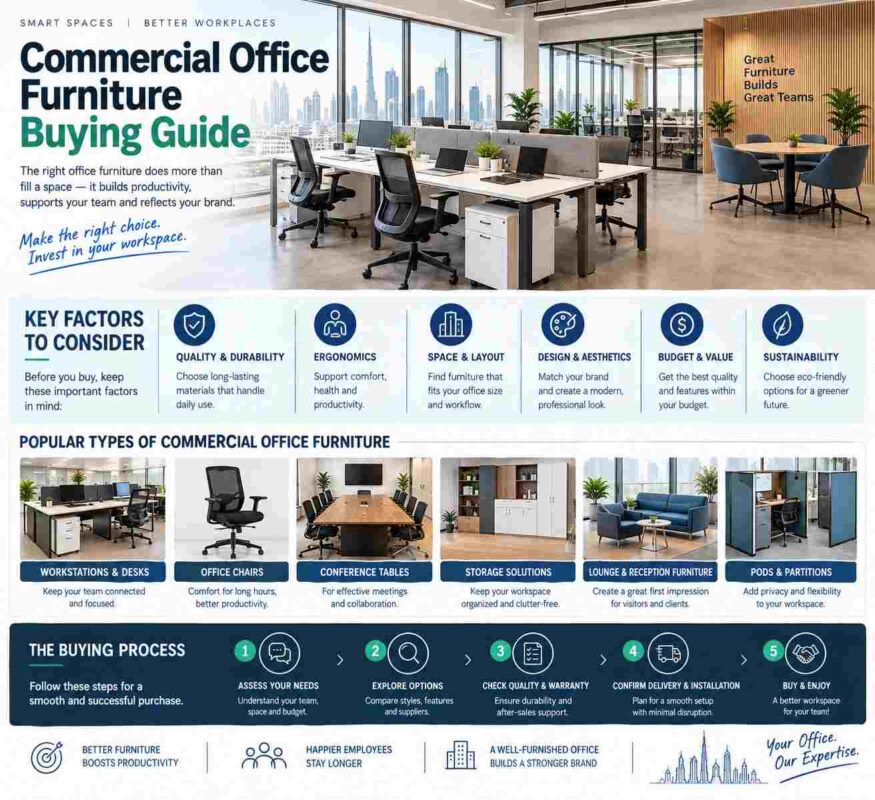
Desk Craft helps Dubai organizations coordinate round meeting tables with executive desks, ergonomic seating, storage cabinets, reception furniture, and collaborative workstations. This coordinated approach helps procurement teams and designers maintain consistent finishes, dimensions, and visual standards throughout the office.
A well-chosen round table does more than fill an available room. It gives conversations a clear place to happen, supports comfortable participation, and shows clients and employees that the details of the workplace have been considered with purpose.
Request a Quote for your office furniture requirement.