Blog
Reception Desks Dubai Offices Rely On Today

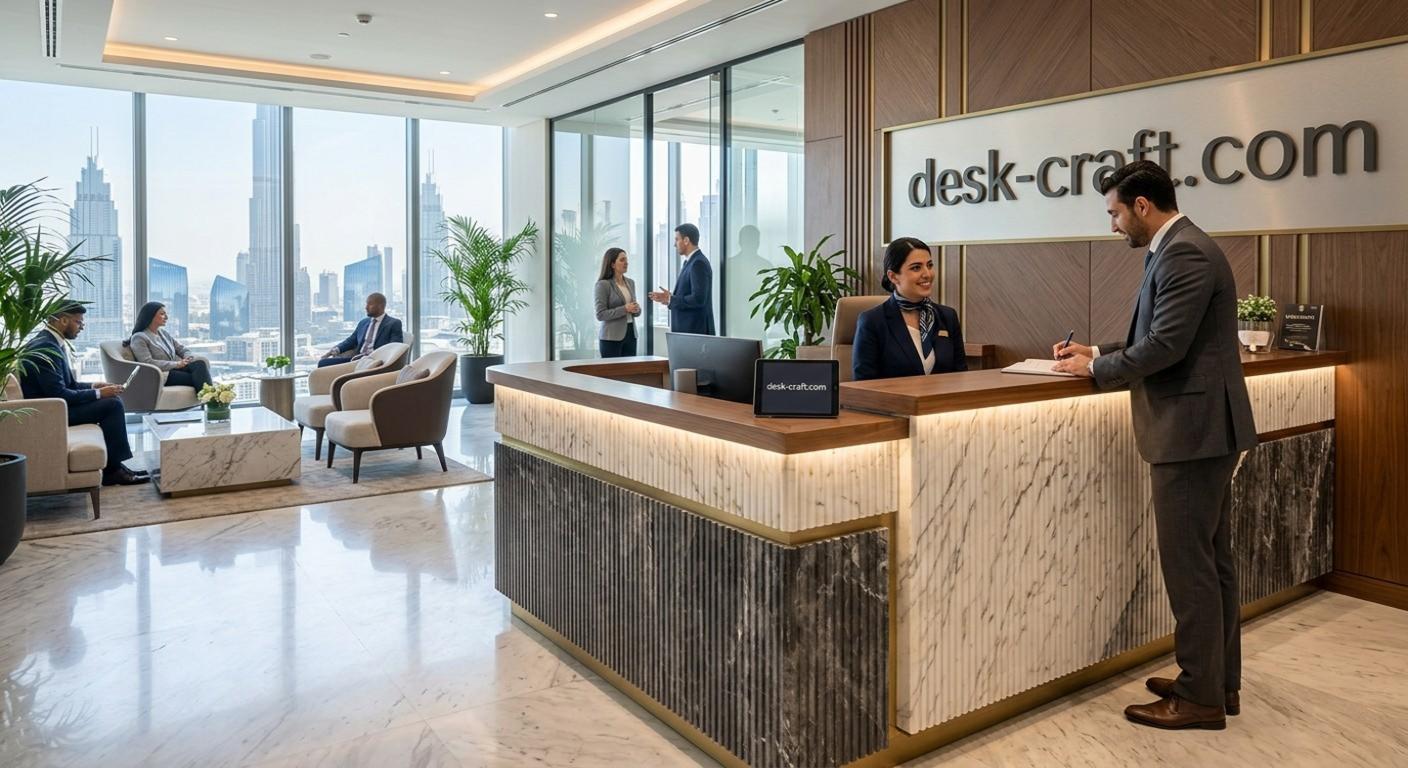
The reception desk is where a visitor forms an opinion before a meeting begins. For businesses selecting reception desks Dubai offices can rely on, the decision is not simply about filling an entrance area. It is about creating a controlled, welcoming point of contact that communicates authority, keeps daily administration organized, and gives front-of-house staff a comfortable place to work.
A well-chosen desk makes the reception zone feel deliberate rather than temporary. It provides visual confidence for clients, candidates, suppliers, and partners while supporting the practical demands behind the counter: visitor records, deliveries, calls, documents, devices, and personal belongings.
What Reception Desks Dubai Offices Need to Deliver
Dubai workplaces often balance high client expectations with fast-moving operational requirements. A reception desk must look polished from the visitor side while giving the receptionist enough surface area, privacy, storage, and cable management on the working side.
The strongest designs separate these two experiences intelligently. A raised transaction counter can screen monitors, paperwork, and personal items from view, leaving a clean, composed surface facing the entrance. Behind it, a lower worktop gives staff the correct height for keyboard use, phone calls, and day-to-day administration. This dual-level configuration is especially valuable in law firms, consultancies, clinics, real estate offices, corporate headquarters, and hospitality-focused businesses where presentation is part of the service.
Scale matters just as much as styling. A compact straight desk may suit a small startup suite with one receptionist and limited visitor traffic. A growing company may need an L-shaped design with an extended return for printers, files, and multiple screens. Larger offices often benefit from a wide modular counter that can accommodate two or more reception staff without creating a crowded front-of-house environment.
Start With Traffic, Team Size, and Available Floor Space
Before selecting finishes or profiles, assess how the reception area functions during its busiest hour. Consider who enters the office, where they need to go, and how long they are likely to wait. A desk that looks impressive in a product image can overwhelm a narrow lobby or leave too little circulation space around seating, doors, and access routes.
Measure the reception wall, the clear walkway in front of the desk, and the working zone behind it. The receptionist needs enough room to move between the chair, drawer units, storage cabinets, and any side credenza without obstruction. If the desk includes a return, confirm that it opens toward the side with the most usable clearance.
For a single-user reception, a straight desk with integrated drawers, such as the Dixon Reception Desk, may be the most efficient option. For visitor-heavy operations, an L-shaped or curved configuration can create better workflow by separating check-in tasks from administrative work. A multi-person reception counter, such as the Elite Two-Person Reception Desk, is appropriate when calls, guest arrivals, deliveries, and meeting coordination happen at the same time.
The right layout depends on the office. A high-end executive suite may prioritize a refined desk with a strong feature panel and restrained storage. A training center or service business may place greater value on durable surfaces, accessible filing, and enough counter length to process a steady stream of visitors.
Choose a Profile That Matches the Brand Environment
Reception furniture should relate to the rest of the workplace rather than appearing as an isolated statement piece. Executive offices with dark woodgrain finishes, leather seating, and boardroom tables often suit reception desks with rich veneers, textured panels, or muted metal detailing. Contemporary firms may prefer clean white surfaces, contrasting color bands, glass accents, or warm oak finishes that bring a more open character to the entry area.
Straight lines project order and efficiency. Curved counters can soften a large lobby and direct visitors naturally toward the check-in point. Slatted, ribbed, or layered front panels add visual depth, but they should be selected carefully. Highly decorative surfaces can look dated quickly if they do not align with the wider interior palette.
A confident reception design does not need excessive ornament. Premium craftsmanship is often visible in accurate edge finishing, stable construction, aligned panels, consistent material color, and well-integrated storage. These details help the desk retain its professional appearance through daily use.
Build Privacy and Organization Into the Counter
A reception desk works hardest when it prevents clutter from reaching the client-facing side. Open counters without a privacy screen can expose monitors, charging cables, stationery, documents, and personal items. This creates a less disciplined impression and may raise concerns in offices handling confidential information.
A raised modesty panel or transaction ledge offers a practical solution. It conceals the active workspace while giving visitors a clear place to sign forms, leave documents, or speak with reception staff. For offices that routinely manage private records, choose a desk with enclosed drawer storage and consider nearby vertical filing cabinets or mobile pedestals for organized access.
Cable management should be specified early, particularly when the desk will support multiple monitors, desk phones, card readers, tablets, or visitor management equipment. Grommets, cable ports, and concealed routing keep power cords out of sight and reduce distractions at the front counter. They also make future equipment changes easier without compromising the finished appearance.
Storage requirements should reflect real daily tasks. A receptionist who handles courier packages, paper files, visitor badges, and stationery needs more than a narrow center drawer. Pedestals with drawers, lockable compartments, and a nearby storage cabinet can keep essential items within reach while preserving a clean desk surface.
Select Materials for Commercial Use, Not Just First-Day Appeal
Reception desks are high-contact furniture. Counter edges are touched repeatedly, bags are placed down, documents are signed, and surfaces are cleaned frequently. Commercial-grade materials and durable finishes are worth prioritizing because the desk represents the business every working day.
High-quality laminate and engineered wood finishes offer a practical balance of visual appeal, consistency, and resistance to routine wear. Woodgrain surfaces can bring warmth to professional environments, while solid neutral colors support a crisp, modern look. Glass details can elevate a reception counter, although they require more regular cleaning and may not be the most practical choice for a very busy check-in point.
Consider the surrounding lighting as well. A dark desk can create executive presence in a bright, spacious lobby, but it may feel heavy in a compact reception area with limited natural light. Lighter finishes can make smaller spaces appear more open, particularly when paired with coordinated visitor chairs, lounge seating, and low coffee tables.
Pair the Desk With a Productive Reception Workstation
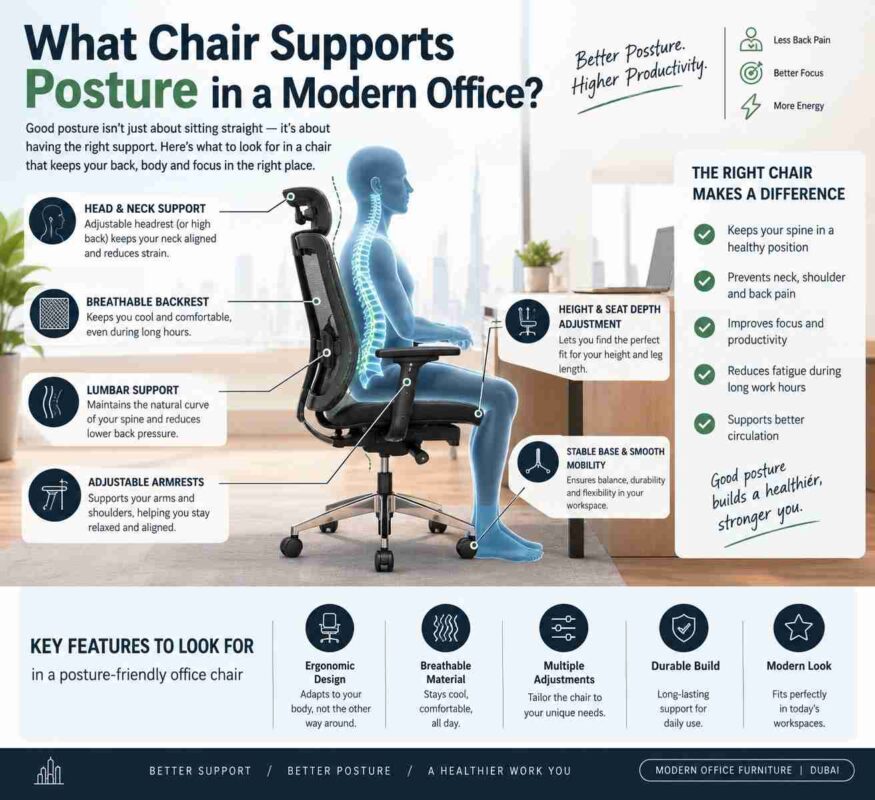
The visible counter is only one part of the reception experience. The person working behind it needs a supportive chair, correctly placed monitor, practical storage, and enough legroom to remain comfortable across a full shift.
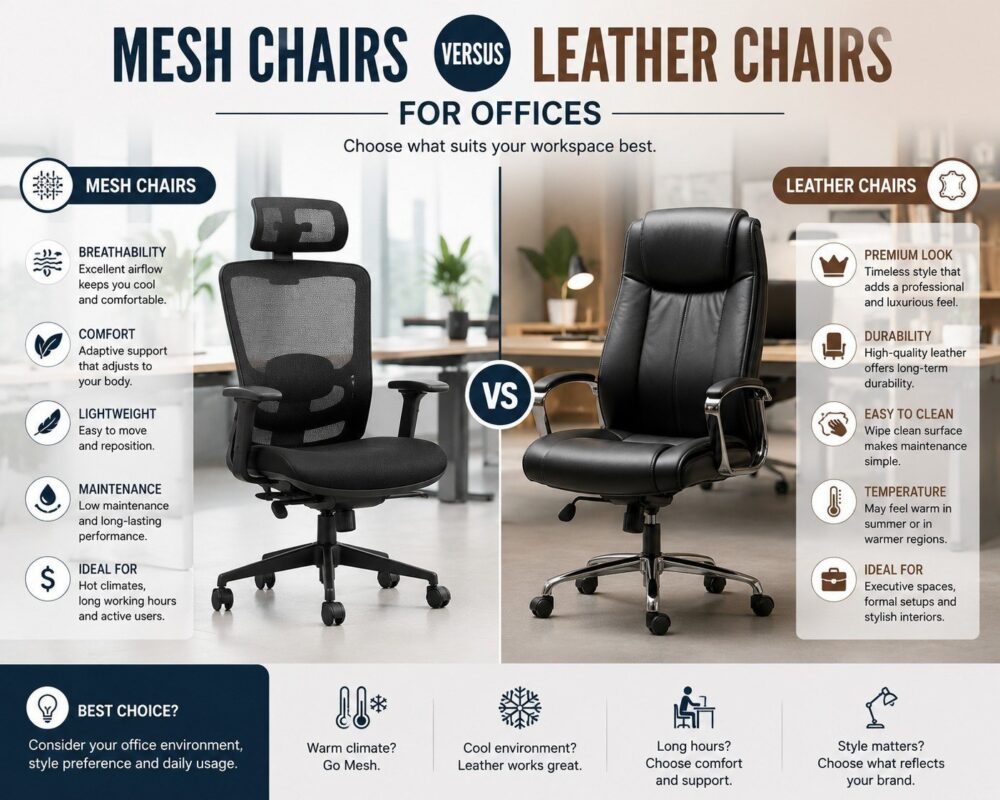
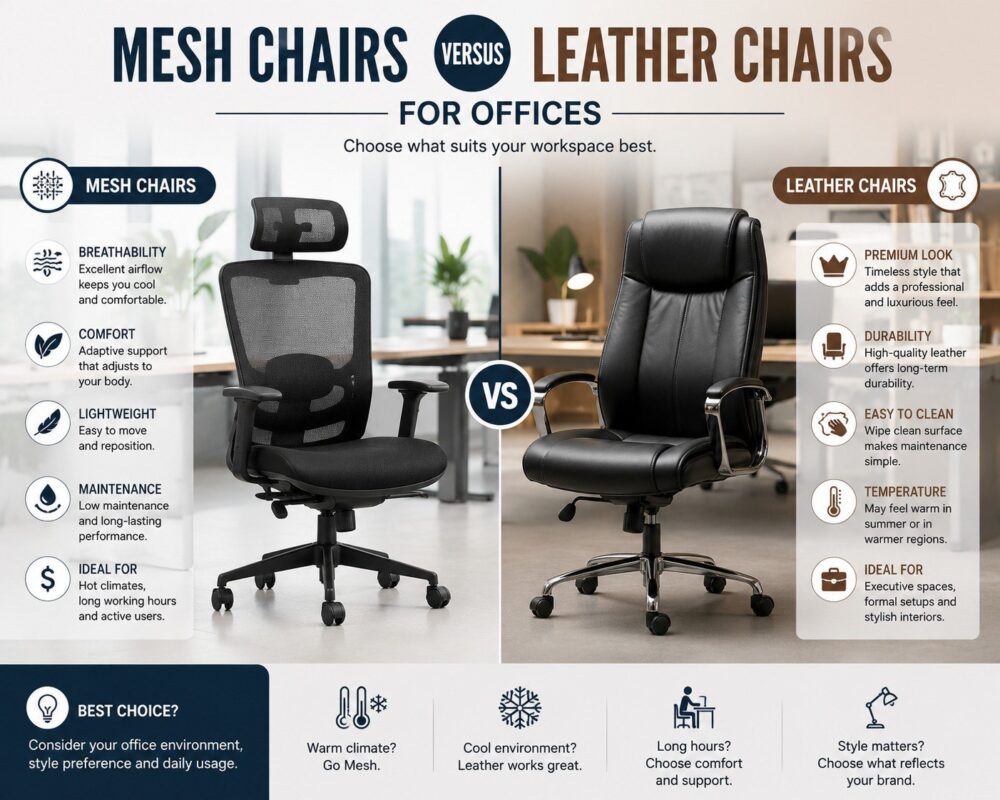
An ergonomic mesh chair with adjustable seat height, lumbar support. Breathable backrest is a strong option for reception staff who spend long periods seated. An executive leather chair may better suit a private front office. Or senior administrative setting where visual authority is part of the role. In either case, the chair should fit beneath the work surface and allow natural movement between the desk, drawers, and nearby cabinets.
Visitor seating should also be considered as part of the overall composition. A reception desk with premium finishes can lose impact when paired with mismatched chairs or worn lounge furniture. Coordinated visitor chairs, sofas, and coffee tables help the waiting area feel intentional while making clients more comfortable during short delays.
Desk Craft helps businesses approach this as a complete workplace furnishing decision. Coordinating reception counters with executive desks, storage, visitor seating, lounge furniture, and meeting-room pieces that share a consistent visual language.
Common Buying Mistakes to Avoid
The most common mistake is choosing a desk based only on the front elevation. A beautiful client-facing panel cannot compensate for insufficient workspace, poor storage, or no provision for cables and equipment. Another frequent issue is selecting a desk that is too large for the reception footprint, leaving visitors with an awkward path through the entrance.
Avoid underestimating the need for privacy. If the receptionist handles contracts, invoices, employee records, or client details, an open desktop can make the area look disorganized and expose information unnecessarily. Finally, do not treat the reception desk as a separate purchase from the rest of the office. Its colors, materials, and proportions should support the executive office, workstation areas, boardroom, and lounge zone.
The best reception desk makes a strong impression without demanding attention away from the people it serves. Choose a layout that gives staff room to perform, materials that hold their finish, and a front profile that tells every arriving visitor they have entered a capable, well-organized business.