Blog
Training Room Chairs Dubai Teams Can Rely On

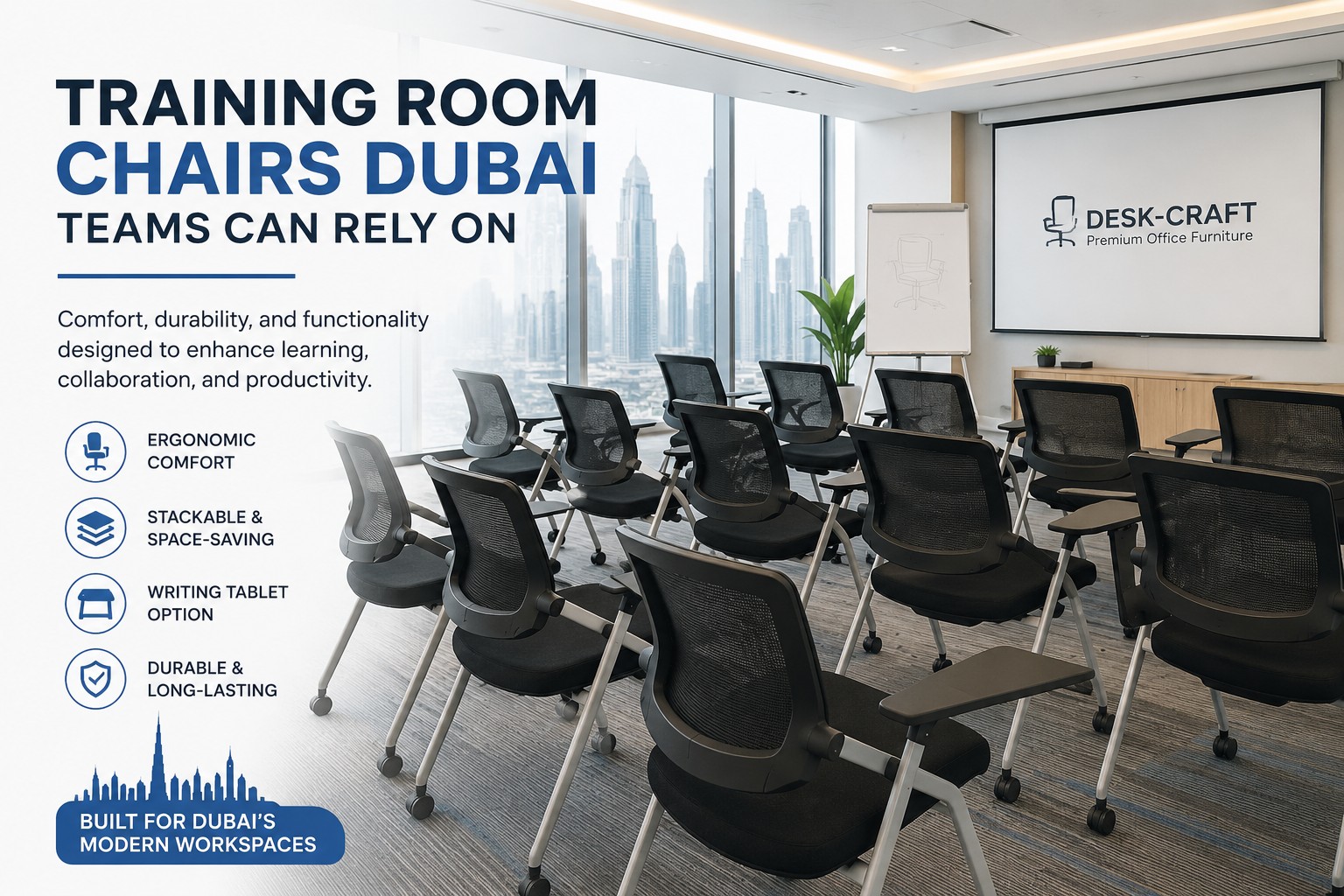
A training room is rarely used for one purpose. It may host onboarding on Monday, a client workshop on Wednesday, and a full-team presentation by the end of the week. That is why training room chairs Dubai businesses select should do more than fill a floor plan. They need to keep participants comfortable, help facilities teams reset the room quickly, and maintain a polished professional appearance through constant use.
For procurement teams and office managers, the right chair choice affects attendance, attention, room capacity and the long-term cost of running learning spaces. For a complete room setup, explore our training center furniture in Dubai, including training tables and practical storage. A chair that looks suitable in a product image but is difficult to move, uncomfortable after an hour, or too delicate for frequent handling creates friction at every session. The strongest specification begins with how the room actually operates.
Training Room Chairs Dubai Buyers Should Specify
The first decision is not color or upholstery. It is whether the room needs a fixed layout or a flexible one. A dedicated classroom with regular compliance sessions may benefit from aligned rows of durable, linked seating. A multipurpose training suite, however, needs chairs that staff can rearrange for group exercises, presentations, and roundtable discussion without turning every reset into a facilities task.
In Dubai offices, training rooms often carry a heavier visual responsibility than internal work areas. Visiting partners, new hires, and senior leadership may all use the same space. The chair therefore needs to support comfort while reinforcing the organization’s standards. Clean lines, coordinated finishes, and commercial-grade construction make the room feel prepared rather than temporary.
Fixed rows, flexible sessions, or both
For presentation-led learning, armless stacking chairs can create orderly rows and allow a higher seat count within a defined footprint. Their simple profile makes aisles easier to preserve, particularly in rooms where access and sightlines need careful planning. Where a venue needs permanent fixed seating rather than a flexible training layout, an auditorium chair such as LUMIA can provide a fold-up seat, integrated writing pad and fixed commercial seating format. The trade-off is that a basic stackable design may offer less personal space and fewer ergonomic adjustments for long sessions.
For workshops, movable seating offers more value. Chairs with casters allow quick transitions from classroom rows to small working groups. Nesting models can be stored in a compact line when the room is open for another use. Casters should be selected thoughtfully. They improve mobility on carpet tile and smooth flooring, but a chair that rolls too freely can feel unstable during concentrated writing or laptop work.
If the space alternates between training and meetings, a chair with a supportive mesh back, upholstered seat, and a refined frame can bridge both functions. This approach costs more than entry-level visitor seating, yet it can eliminate the need to furnish separate rooms for similar activities.
Comfort Is a Training Requirement, Not an Extra
A participant may tolerate an average chair for a short announcement. They will notice it quickly during a three-hour software session, a professional certification course, or a day of induction training. Discomfort leads to posture changes, breaks that run long, and attention that shifts away from the material.
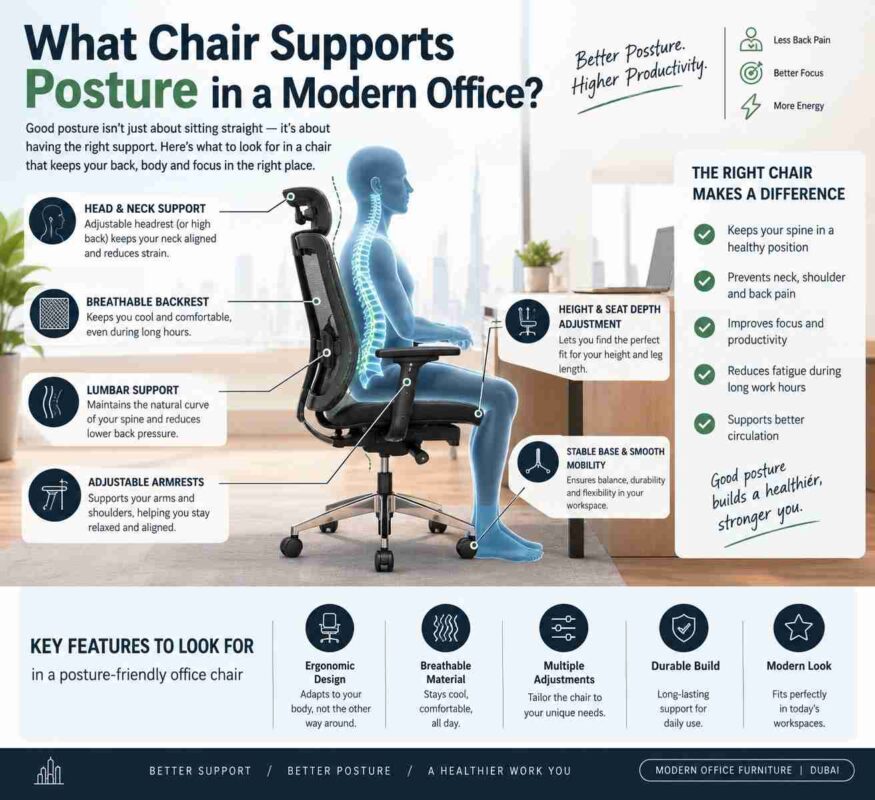
Start with the seat. High-density foam retains its shape better than low-density cushioning under repeated use, helping chairs present well after hundreds of sessions. The seat should provide enough depth to support the thighs without pressing behind the knees. For rooms used by a broad employee population, a moderate seat width and gently contoured edge are generally more accommodating than a narrow, aggressively shaped shell.
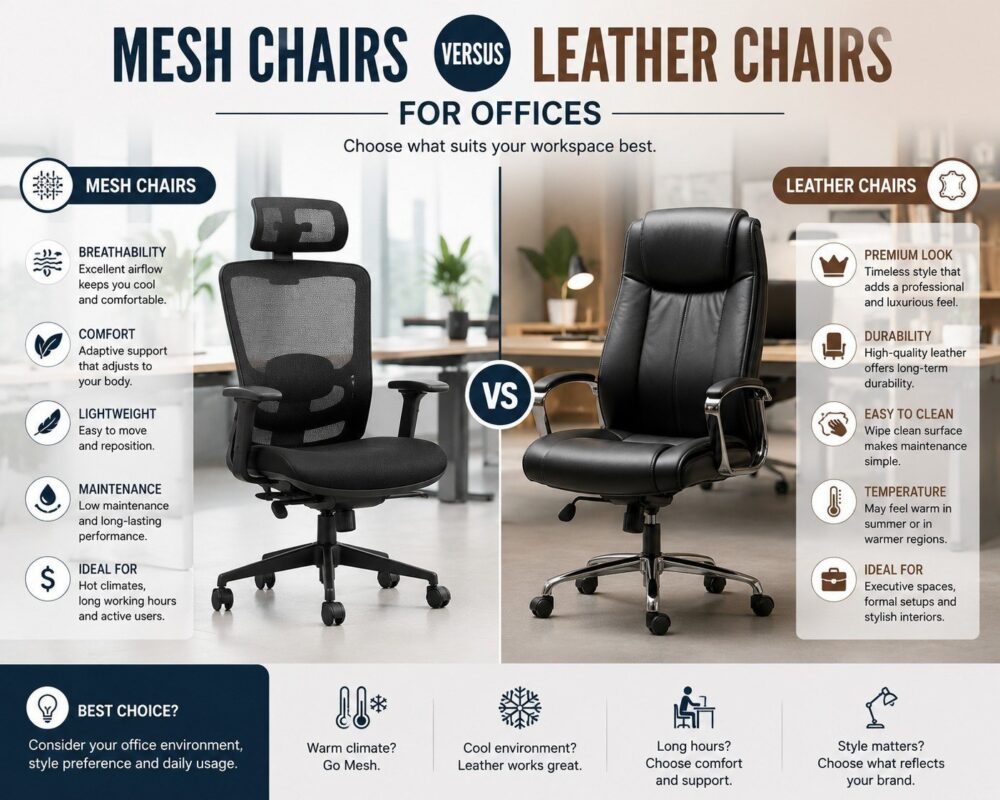
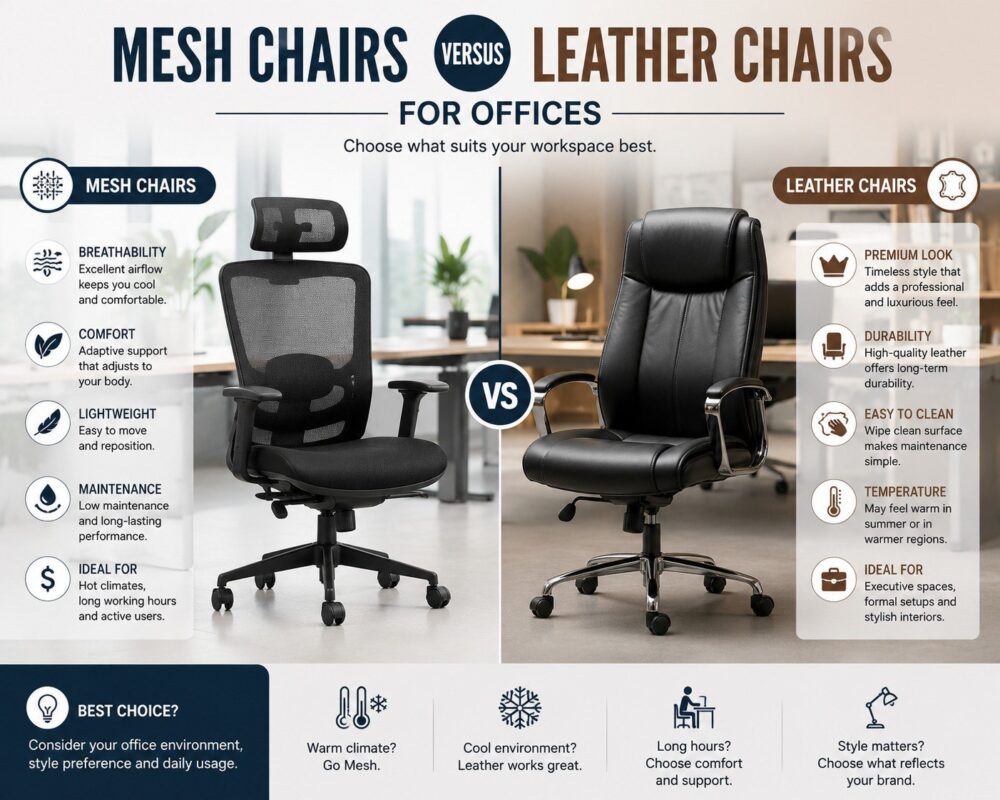
Back support matters just as much. Breathable mesh backrests are well suited to long sessions and complement Dubai’s preference for cool, clean workplace interiors. They encourage airflow and bring a contemporary, lightweight look to the room. Upholstered backs deliver a more formal visual presence and can be a strong match for executive learning centers or client-facing academies, though they require more attention to cleaning and fabric selection.
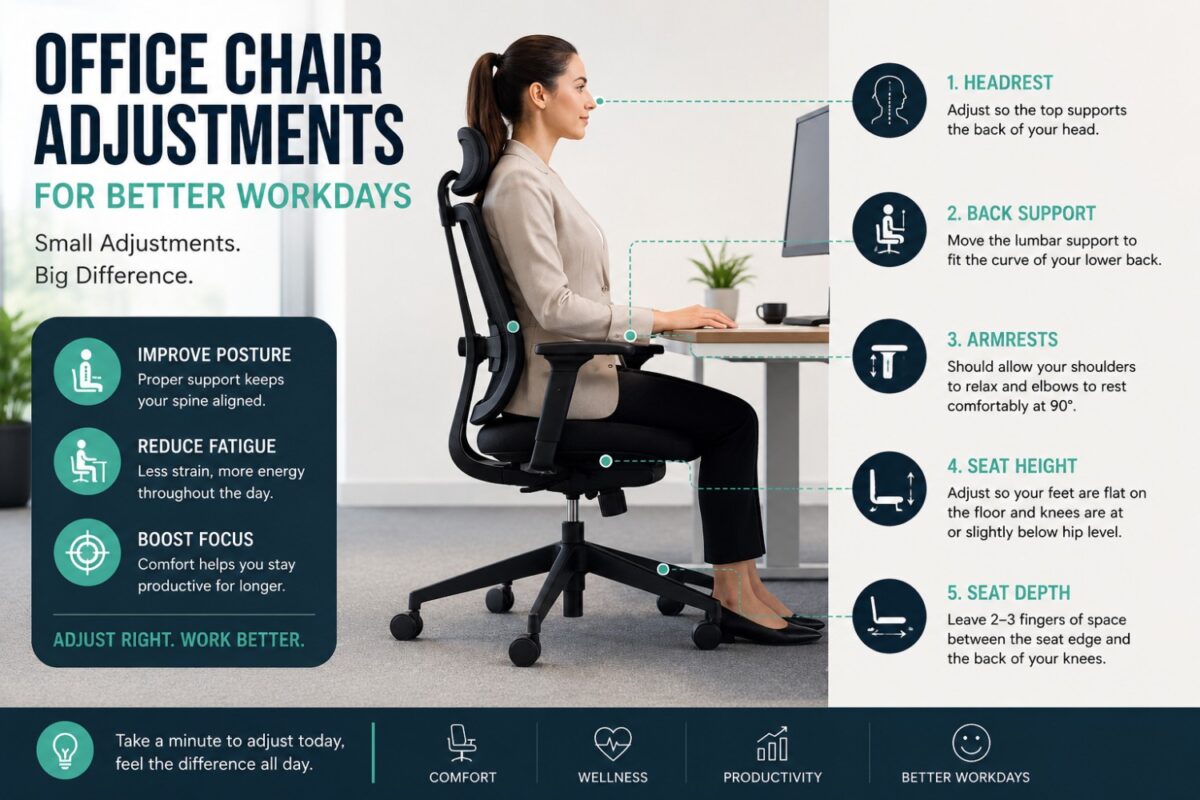
Full ergonomic adjustment is not always necessary in a training chair. Height adjustment is valuable when users work at tables or laptop desks, but multiple levers can make shared seating harder to operate and maintain. For short-format rooms, a well-proportioned fixed chair may be the more efficient choice. For all-day programs, adjustable height and a supportive back are worth the additional investment.
Choose Materials for Daily Commercial Use
Training seating is handled differently from an executive chair. It is pushed into rows, pulled out for group work, stacked or nested, and sometimes moved between rooms. The frame, connectors, glides, and upholstery need to withstand that routine without loose joints, scratched finishes, or a visibly tired appearance.
Powder-coated steel frames offer dependable strength and a modern finish for high-use training environments. Black, gray, and chrome details can be coordinated with workstation legs, meeting tables, storage cabinets, and reception furniture to create a consistent workplace identity. Plastic shells are practical and easy to wipe clean, while upholstered seats add comfort and visual warmth. The best option depends on session length, cleaning requirements, and the level of presentation expected from the space.
Do not overlook the floor beneath the chair. On hard flooring, quality glides reduce noise and help protect the surface during resets. On carpet, chairs should move without requiring employees to drag or lift them unnecessarily. Testing a sample chair in the intended room is useful because flooring, table height, and aisle dimensions change how a chair performs in practice.
Storage capacity changes the buying decision
A stacking chair only delivers flexibility when the facility has a practical place to store it. Before selecting a model, confirm its safe stacking height, its stored footprint, and whether a transport trolley is available. A compact stack may save valuable square footage, but only if staff can move it safely and access it without disrupting adjacent work zones.
Nesting chairs require a different check. Review how tightly they nest, the turning space needed to position them, and whether their casters are appropriate for the route to storage. These details may seem operational, but they determine whether the room can genuinely switch functions between sessions.
Match Seating to the Training Setup
Training chairs work best when selected alongside the tables and technology that support learning. A chair with arms can improve comfort, but wide armrests may prevent it from fitting under compact training tables. Tablet-arm chairs can be useful where a room does not have tables, particularly for short lectures, but they are less effective for laptop-heavy courses or participants who need room for documents.
For collaborative programs, consider chairs that allow people to turn and engage without lifting or scraping across the floor. For lecture-style sessions, prioritize consistent alignment and generous circulation routes. If presenters use screens or whiteboards, map sightlines from every planned seat rather than relying on an estimated capacity figure.
The room’s visual language should also match the rest of the workplace. A training space finished with mismatched chairs can undermine the authority of an otherwise well-organized office. Coordinating chair finishes with boardroom tables, workstation clusters and lounge furniture creates a stronger impression for employees and visitors alike. Desk Craft approaches this as part of a wider furnishing plan that feels connected from reception through to learning areas.
Create a Clear Procurement Brief
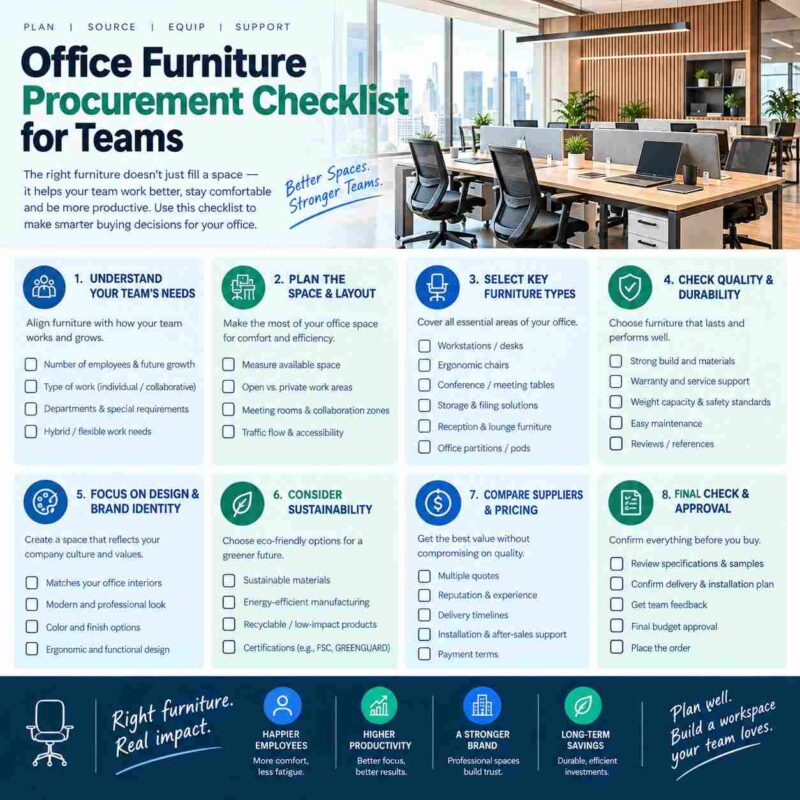
A precise brief prevents the common mistake of buying a chair that meets the price target. Specify the expected number of users, average session duration, room dimensions, storage method, floor type, table height, and frequency of reconfiguration. Also identify whether the space is internal only or used for client training, recruitment events, and partner presentations.
Ask suppliers to confirm seat and back materials, frame construction, weight capacity, stacking or nesting guidance, available finishes, and any warranty terms. If the chairs will be moved frequently, evaluate a sample for handling noise, stability, and ease of repositioning. A chair can appear premium while still being inefficient for the people who reset the room every day.
Budget should be considered across the full life of the seating, not only the unit price. Lower-cost chairs may be appropriate for occasional training, temporary expansion, or high-capacity event rooms. For a core learning space used week after week, better foam, stronger frames, and adaptable mobility can protect both comfort and the professional presentation of the office.
The right training chair makes the room easier to run and easier to learn in. When seating supports the way your teams teach, collaborate, and welcome new people, every session begins in a space that already communicates focus, preparation, and confidence.