Blog
Office Coffee Tables Dubai Businesses Choose

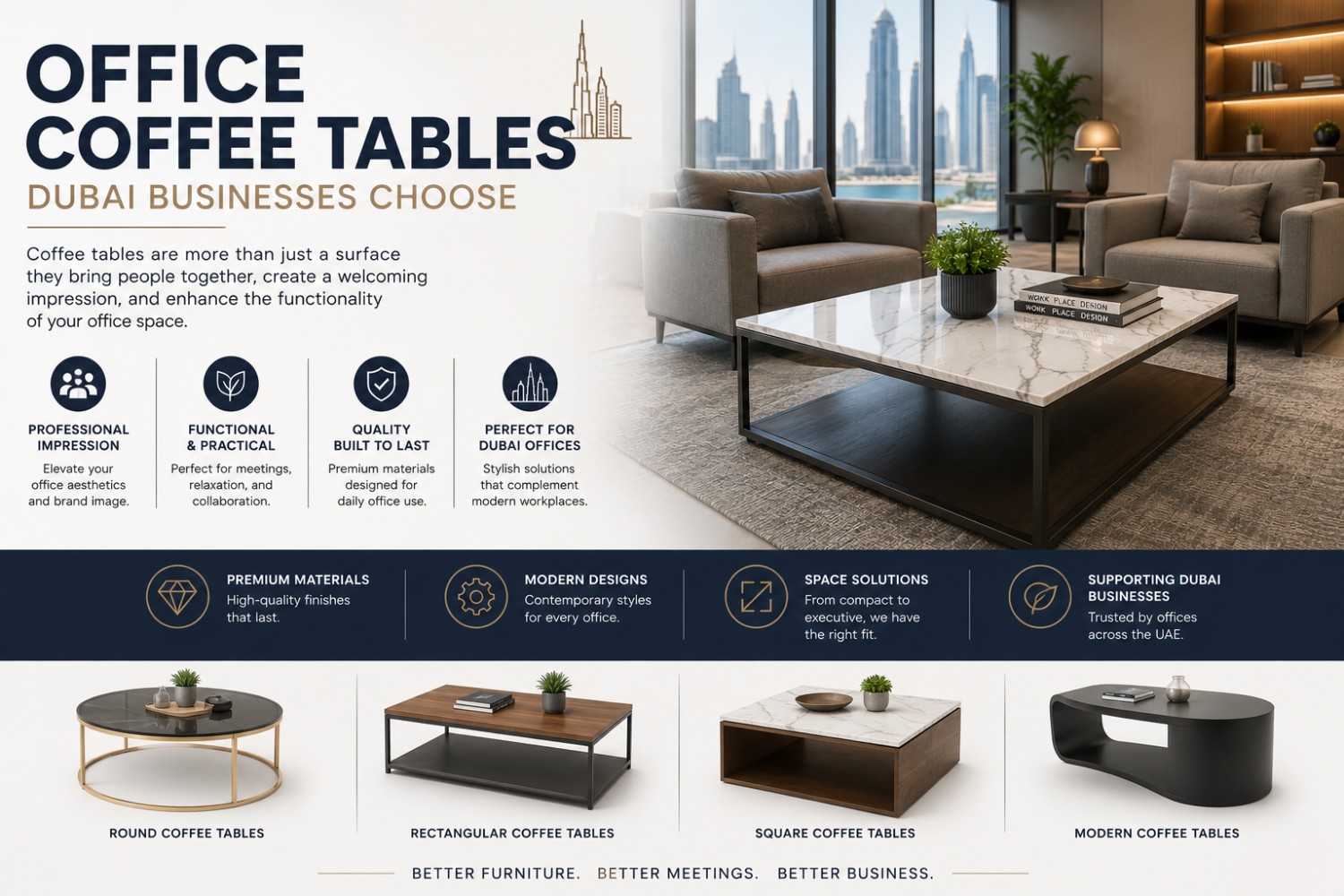
A coffee table can change the tone of a reception area before a visitor reaches the front desk. The right office coffee tables Dubai businesses select create a composed place for waiting, informal conversation, and client hospitality. The wrong one creates clutter, restricts circulation, or looks too domestic for a professional setting.
For offices across Dubai, the coffee table is not an afterthought. It sits at the center of a client-facing lounge, executive waiting space, breakout zone, or collaborative corner. Its proportions, finish, and construction need to support the visual authority of the business while handling daily use with confidence.
What an Office Coffee Table Should Do
A commercial coffee table has a different job from a residential living-room piece. It must look refined, but it also needs to withstand repeated cleaning, moving, bags placed on its surface, and the occasional laptop or coffee cup during an impromptu meeting.
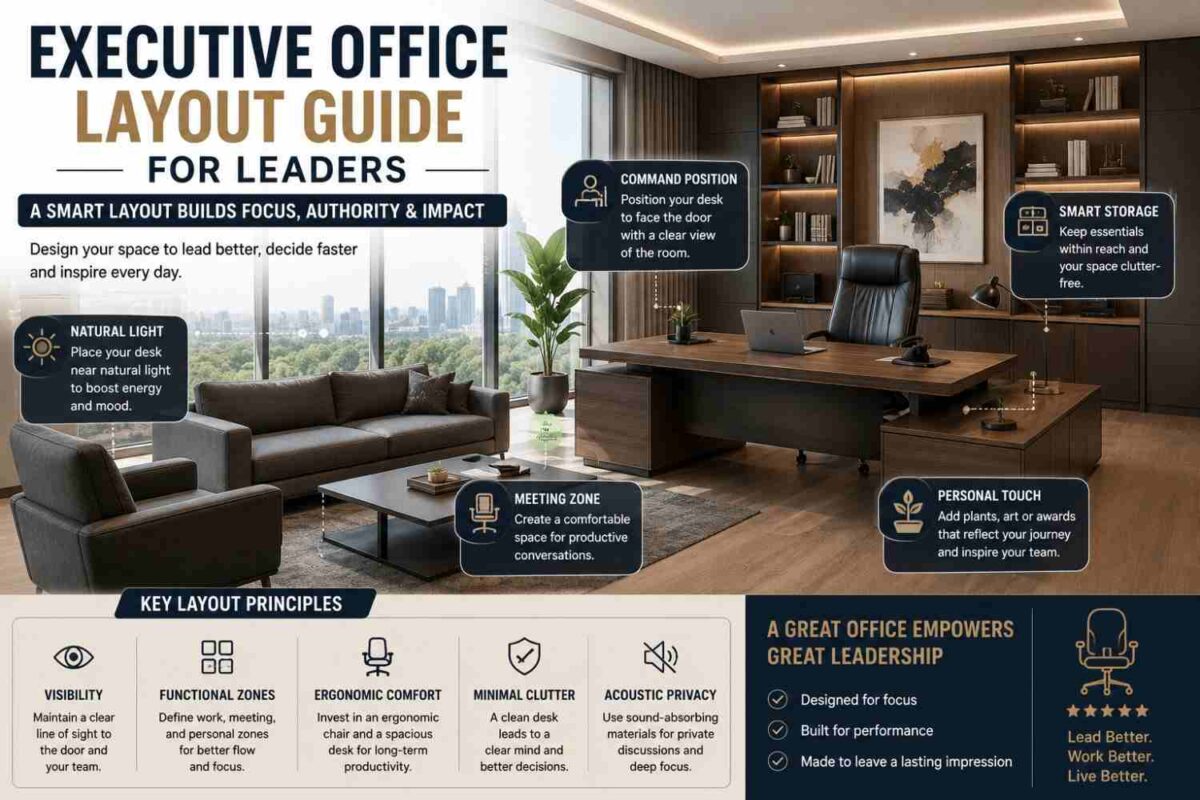
In a reception setting, the table gives visitors a practical surface for documents, refreshments, and reading material. In a lounge area, it helps sofas and visitor chairs function as a defined conversation zone rather than a collection of loose seating. For leadership spaces, a premium coffee table can reinforce the executive finish of leather seating, statement desks, and carefully planned storage.
The strongest choices balance four priorities: appropriate scale, durable materials, coordinated finishes, and clear circulation around the furniture. A table may be visually impressive on its own, but if guests must squeeze between it and the sofa, it works against the room.
Choosing the Right Size for Your Lounge Area
Size is the first decision because it determines whether the space feels comfortable or crowded. A coffee table should be easy to reach from every seat without dominating the seating arrangement.
As a practical rule, allow roughly 16 to 18 inches between the edge of the table and the sofa or lounge chair. This provides enough legroom while keeping drinks, documents, and devices within reach. In high-traffic reception areas, increase that clearance where possible so visitors and staff can move through the space without interruption.
The table should typically sit at the same height as the sofa seat cushion or slightly lower. A table that is too high can feel awkward during conversation, while an overly low model may be impractical for guests handling coffee, tablets, or paperwork.
For a compact reception area, a small round or square table often makes better use of the footprint than a wide rectangular design. Round shapes soften tight layouts and remove sharp corners from busy walking routes. Larger lounge areas can accommodate a rectangular table that anchors two facing sofas, or a pair of coordinated tables that can be repositioned when the area is used for informal meetings.
 Match Shape to How the Area Is Used
 Match Shape to How the Area Is Used
A rectangular coffee table suits formal, symmetrical seating plans, especially where two sofas face each other. It gives the room a structured appearance and offers generous surface space for client materials.
Round and oval tables work well in relaxed lounges, creative studios, and open-plan offices where movement is constant. Their curved profile improves circulation and supports a more conversational arrangement of chairs. Square tables bring a balanced, architectural feel to compact seating groups but require enough clearance on all sides.
Nested tables offer another useful option when flexibility matters. They can stay compact during normal operations, then separate when a team needs additional surfaces for a casual discussion. This is particularly practical in growing offices where lounge zones may serve multiple functions throughout the week.
Materials That Stand Up to Commercial Use
Material selection affects maintenance, perceived quality, and long-term value. Dubai offices often require finishes that look polished under strong interior lighting and remain presentable despite frequent use.
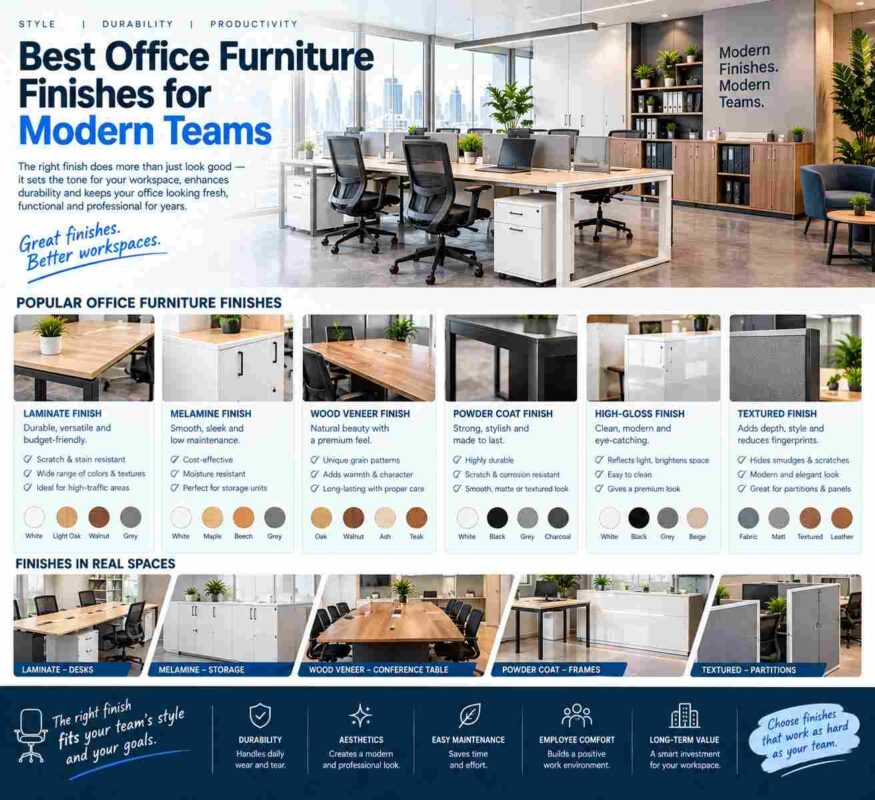
Wood-look finishes and engineered wood tops provide warmth and an executive feel while coordinating easily with desks, storage cabinets, and reception counters. Dark walnut-inspired finishes can create authority in law firms, consultancies, and executive offices. Lighter oak tones fit modern workplaces that want a more open, contemporary aesthetic.
Glass-top coffee tables create visual lightness, making them useful in smaller reception spaces. However, glass requires regular cleaning to maintain its appearance and may not be the best choice for high-volume visitor areas where fingerprints and surface marks are constant. A tempered glass top with a substantial metal frame is generally the more appropriate commercial specification.
Metal bases offer structural strength and a clean modern profile. Black powder-coated frames complement industrial and contemporary interiors, while chrome or brushed-metal details can elevate a more formal reception lounge. A metal frame paired with a durable wood-finish top provides a practical balance of warmth and resilience.
For premium lounge settings, marble-look surfaces or carefully selected stone-effect finishes can make a strong impression without the weight and maintenance demands of natural stone. The key is choosing a commercial-grade construction with stable support beneath the top, particularly in spaces that receive daily client traffic.
Coordinate Office Coffee Tables Dubai With the Full Space
A coffee table should belong to the room, not simply occupy its center. The most polished offices repeat complementary tones and material details across desks, visitor seating, storage, reception furniture, and lounge pieces.
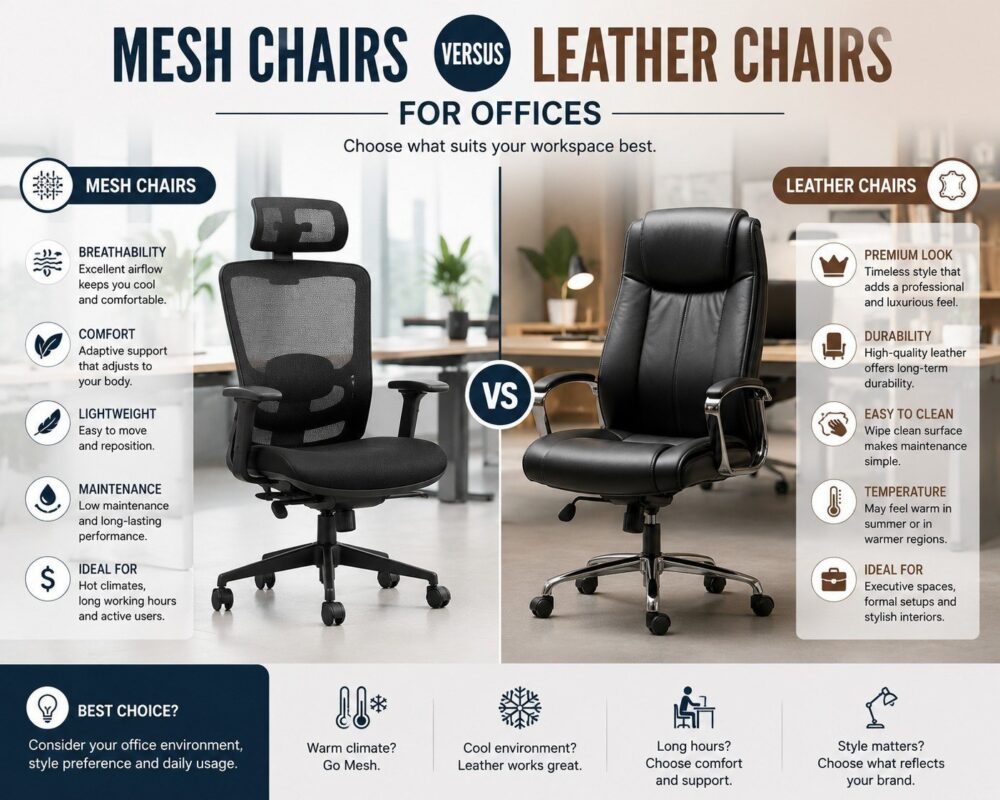
If the space includes executive leather chairs, a darker wood table or black metal base can reinforce a confident, leadership-oriented environment. In a modern workplace with breathable mesh seating, pale wood, soft gray, and matte-black finishes tend to create a cleaner visual connection. Reception spaces can also use the coffee table to echo the front desk finish, giving visitors an immediate sense of order and professional consistency.
Color contrast deserves attention. A dark table against a dark sofa can look sophisticated, but it may lose definition in a low-light lounge. Introducing a lighter top, metallic base, or textured finish can create visual separation. Conversely, a light table in a bright white reception area may need a darker frame or nearby accent furniture to keep the room from feeling flat.
Avoid selecting a coffee table solely because it matches a single sofa. The better approach is to consider the entire visitor journey: entrance, reception counter, waiting seats, meeting access, and surrounding storage. Coordinated furniture signals that the organization has invested in its workplace presentation.
Function Beyond Coffee and Magazines
Modern office lounges are used for more than waiting. A coffee table may support brief client conversations, candidate interviews, quick team catch-ups, and informal breaks. That makes surface durability and stability more valuable than decorative detail alone.
A lower shelf can help keep reading materials, company brochures, and shared accessories organized, but it is not necessary in every setting. In a minimalist reception area, an open shelf may introduce visual clutter unless it is actively maintained. A simple closed-base or clean-frame design often looks sharper when the space must remain visitor-ready throughout the day.
For collaborative lounges, consider whether the table needs to move. Lightweight tables are easier to reposition, but they should still feel stable and substantial. Tables with overly delicate legs may not perform well when employees pull them closer during an informal work session.
Edge design also matters. Rounded edges are a sensible choice near busy entrances, tight lounge arrangements, and areas used by a wide mix of guests. Sharp-edged, angular tables can deliver a more architectural look, though they need generous circulation space to remain comfortable.
Common Buying Mistakes to Avoid
The most frequent mistake is buying too large. A broad table may look impressive in a showroom or product image, but it can consume valuable floor space in a reception area and make seating difficult to access. Measure the room and map the intended seating layout before finalizing dimensions.
Another issue is treating the table as an isolated purchase. A coffee table that does not align with the sofa height, chair scale, or reception finish can make a well-equipped office feel pieced together. Selecting lounge furniture as a coordinated group produces a more intentional result.
Finally, do not sacrifice commercial durability for a low initial price. Thin tops, unstable frames, and fragile finishes often show wear quickly in shared spaces. A well-built table protects the appearance of the office and reduces the disruption of frequent replacement.
Build a Lounge That Supports Your Brand
The best coffee table is one that makes the room easier to use while strengthening its professional character. Whether the goal is a high-authority executive lounge, a welcoming reception zone, or a flexible breakout area, the right proportions and finish bring the seating arrangement together.
Desk Craft helps businesses furnish these spaces with coordinated tables, sofas, visitor seating, workstations, and executive furniture designed for a complete workplace statement. Choose a coffee table with the same care given to the reception desk or boardroom table, and every visitor interaction begins in a space that feels organized, credible, and ready for business.