Office Reception Sofas That Set the Right Tone

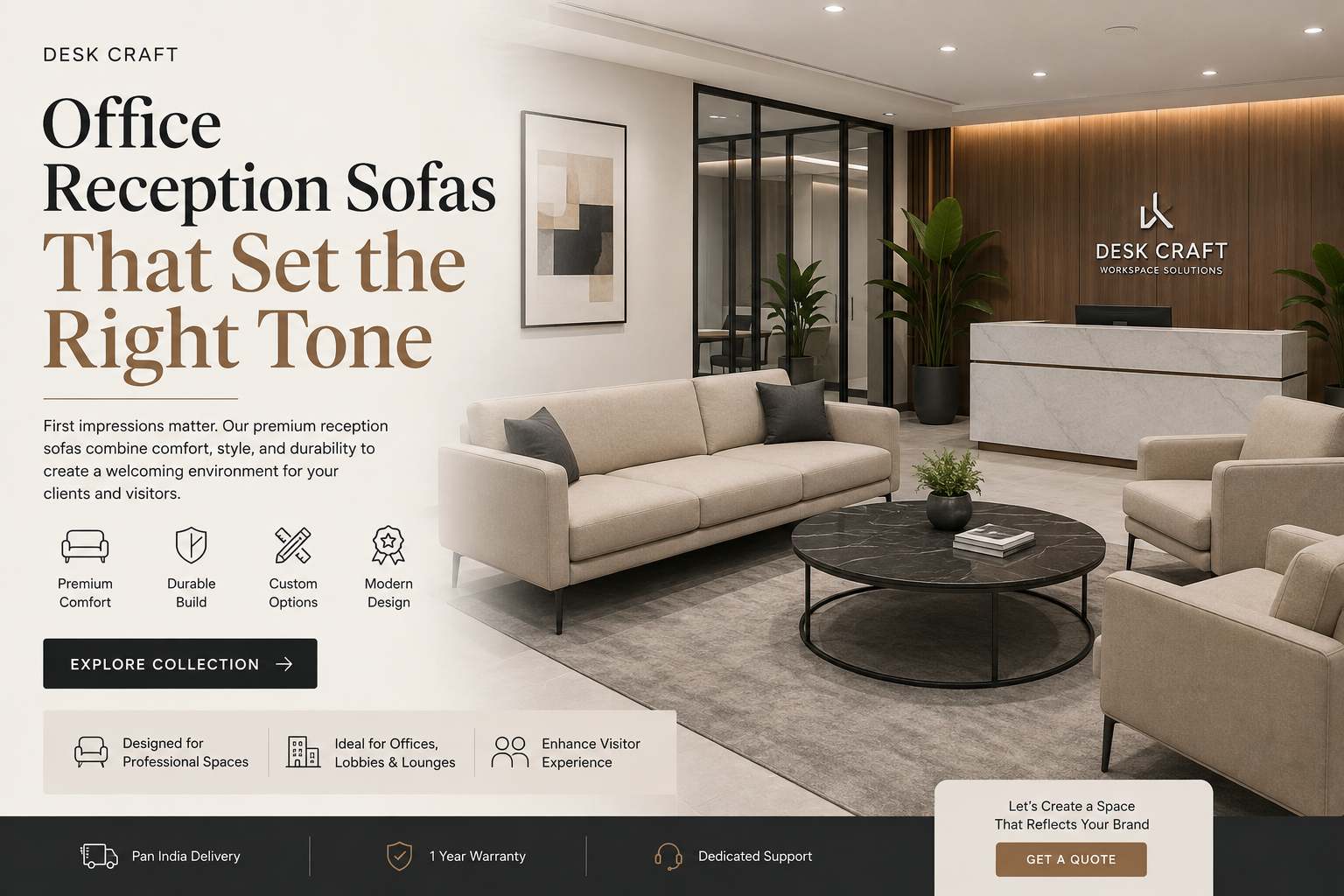
A client may spend only ten minutes in your reception area, but that time shapes expectations before the first meeting begins. The right office reception sofas communicate order, confidence, and consideration, while an undersized or worn seating arrangement can make an otherwise polished workplace feel unprepared. For offices that welcome customers, candidates, vendors, and senior visitors, reception seating is a visible business decision, not an afterthought.
What Office Reception Sofas Need to Deliver
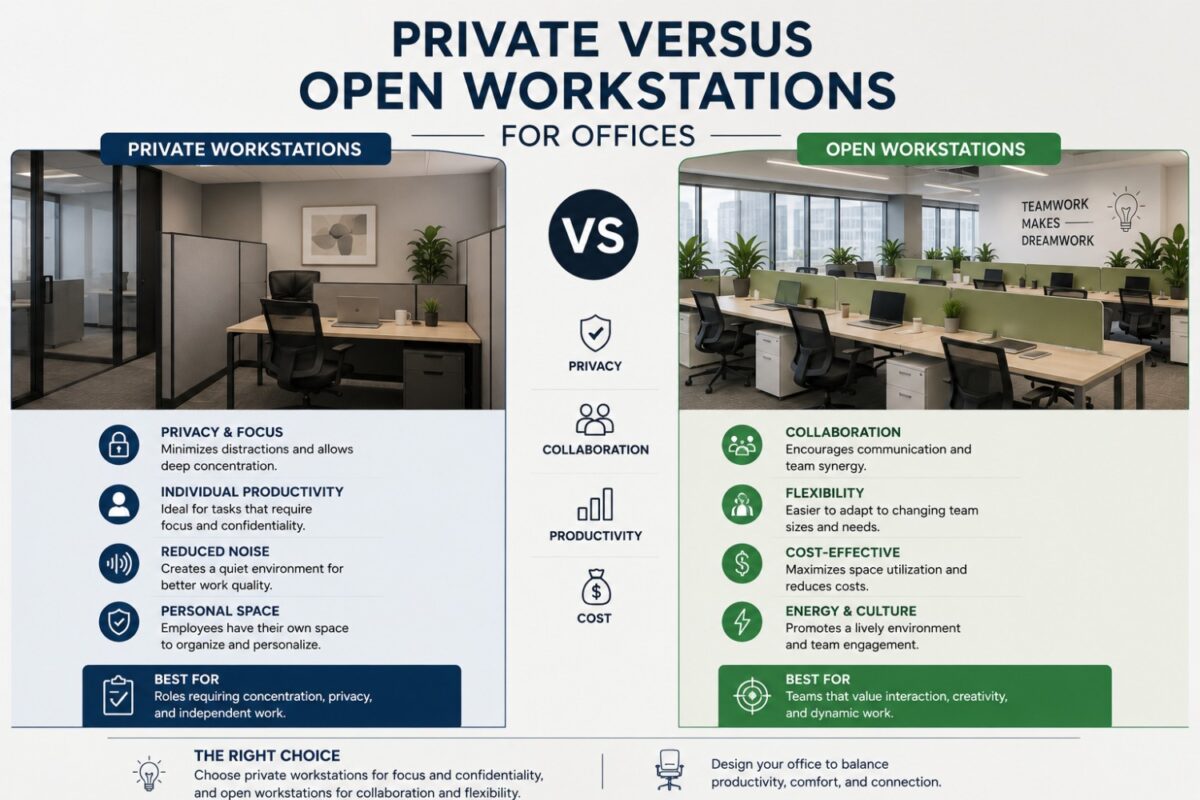
Reception sofas have a different job from breakroom seating or casual lounge furniture. They must look composed throughout the day, offer comfortable support for short waits, and withstand constant use from people of different sizes and mobility needs. They also need to work with the reception desk, coffee table, flooring, and circulation paths without making the entrance feel crowded.
A strong selection begins with the type of experience your company wants to create. A law firm, financial advisory office, or executive headquarters may favor structured leather or leather-look upholstery with clean lines and tailored cushioning. A creative studio or technology company may choose softer fabric finishes, modular forms, and accent colors that bring warmth to an open-plan environment. Neither direction is automatically better. The priority is a consistent visual language that supports your brand and daily operations.
Commercial performance matters as much as appearance. Choose a sofa with a stable internal frame, high-density foam, and upholstery designed for frequent cleaning. A premium finish should retain its shape and professional presentation after repeated use, not only look impressive on installation day.
Start With the Reception Layout
The available floor area should guide the size and configuration of your seating. A large sofa can create authority in a spacious lobby, but it can overwhelm a compact entrance, narrow visitor movement, and obstruct access to the reception counter. In smaller offices, two compact two-seat sofas or a sofa paired with visitor chairs often gives more flexibility than one oversized piece.
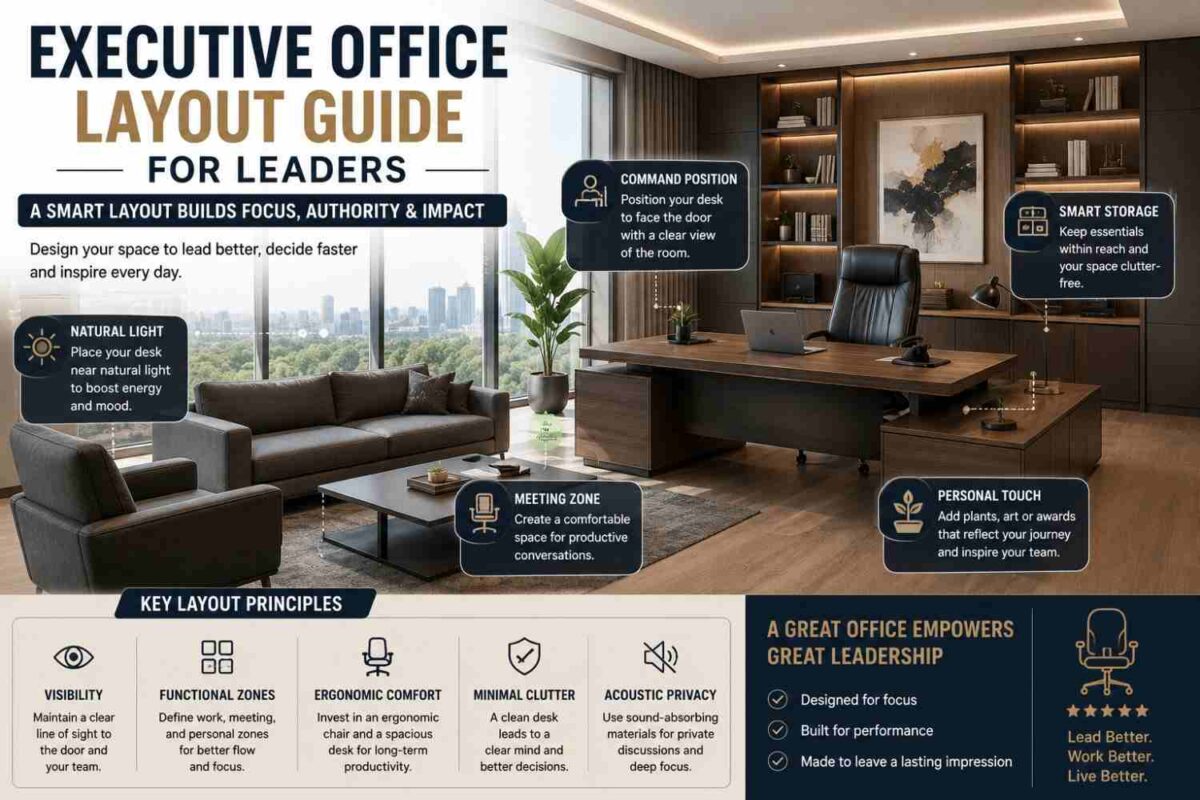
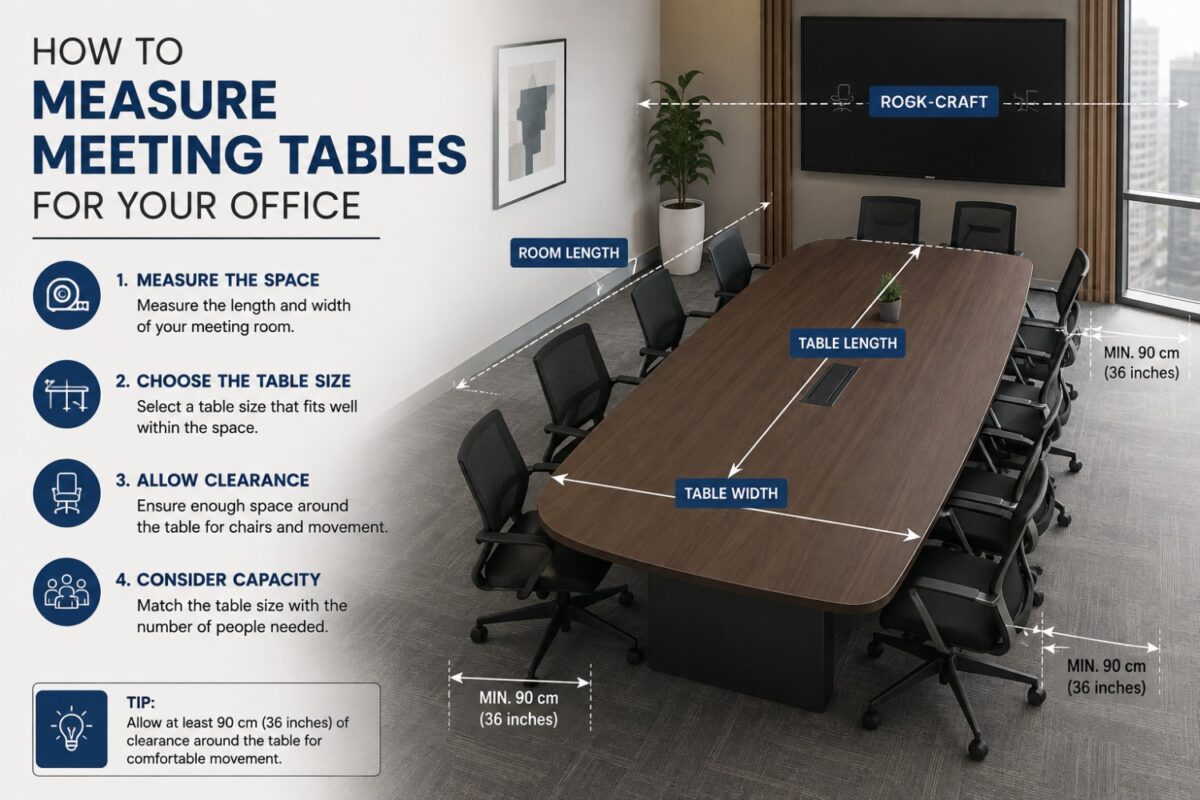
Before choosing dimensions, map the route from the entrance to the reception desk, elevators, meeting rooms, and exits. Visitors should be able to enter, sit, stand, and move through the area without squeezing around furniture. Leave sufficient clearance around coffee tables and avoid positioning sofas where seated guests face a busy corridor at close range.
Match seating capacity to real visitor patterns
Capacity should reflect the busiest realistic period, not the average quiet hour. Consider how many guests arrive at once for interviews, client presentations, training sessions, or supplier appointments. A reception that typically hosts two visitors but occasionally welcomes a group of six needs a plan for those peak moments.
A useful approach is to combine fixed seating with flexible pieces. A three-seat sofa can anchor the room, while one or two matching lounge chairs provide additional capacity and can be repositioned when needed. This arrangement also prevents the space from feeling like a row of identical waiting-room seats.
For organizations receiving frequent groups, modular office reception sofas can be especially effective. Individual sections can form an L-shape, a straight run, or separate seating zones as the layout changes. The trade-off is that modular systems require careful planning so the joints, proportions, and upholstery lots remain visually consistent.
Choose Upholstery for Your Operations
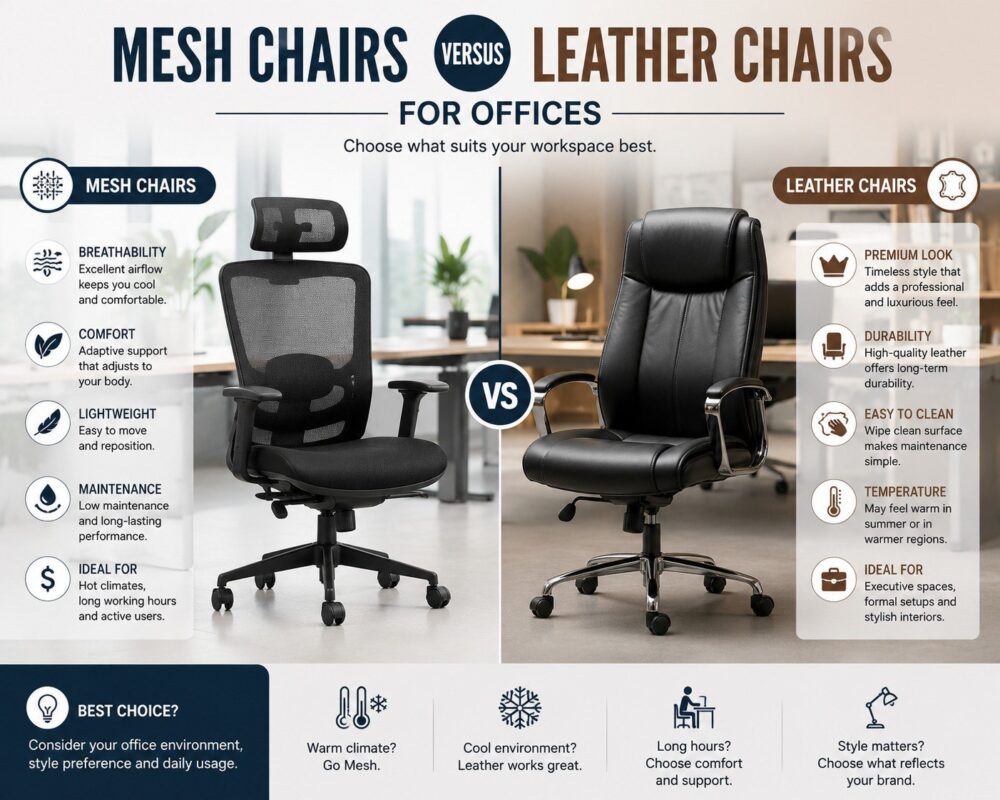
Upholstery affects the comfort, maintenance requirement, and perceived status of the reception area. It should be selected with the same discipline used for executive chairs, boardroom tables, or workstation surfaces.
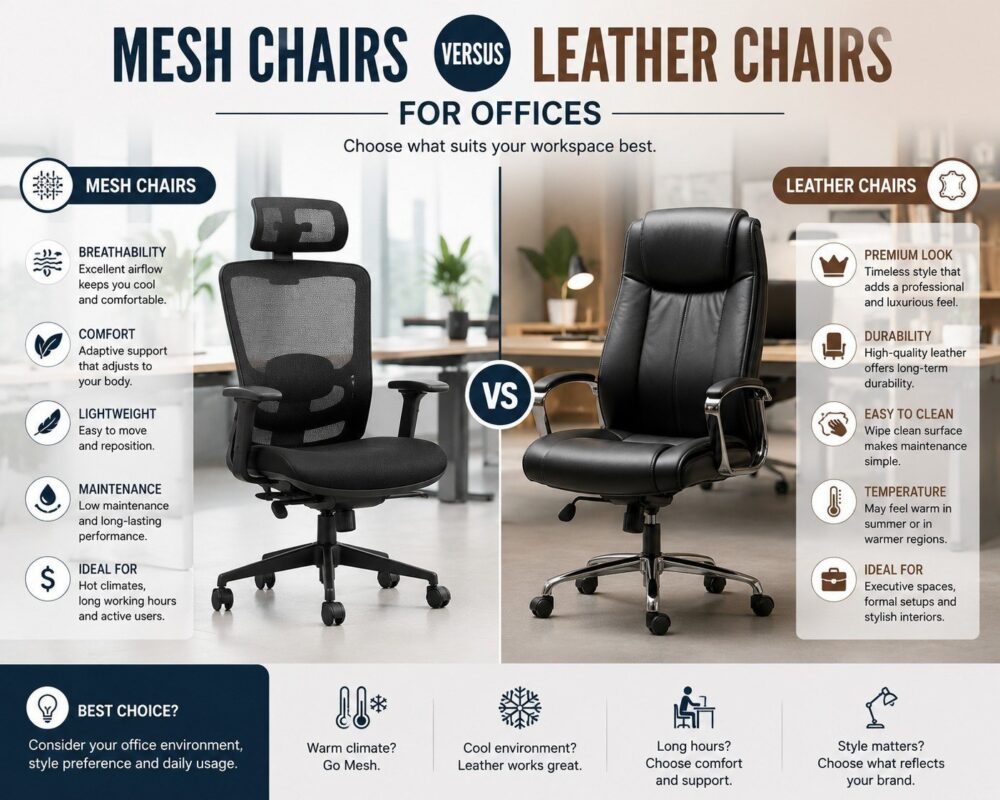
Leather and high-quality leather-look finishes create a composed executive impression. They are well suited to professional services, management offices, and spaces where authority and refinement matter. Smooth surfaces are generally easier to wipe down after everyday spills, though very dark finishes can show dust and scratches, while pale finishes may need more regular care.
Fabric upholstery brings texture and a more relaxed hospitality feel. It can soften spaces with glass partitions, metal details, and clean-lined reception desks. For high-traffic use, select commercial-grade fabric with a tight weave and practical color depth. Very light fabrics may look striking in a design presentation, but they demand a consistent cleaning routine in a busy public-facing office.
Vinyl and performance upholstery offer a practical middle ground for many reception areas. These materials can provide the appearance of leather with straightforward maintenance, making them suitable for clinics, service offices, shared workspaces, and locations that prioritize easy care. Material quality varies, so assess the finish, stitching, cushion recovery, and overall construction rather than choosing by appearance alone.
Comfort Should Feel Supportive, Not Casual
Reception comfort is not the same as home-lounge comfort. Visitors should feel welcome, yet the sofa should support an upright posture that makes it easy to stand for a meeting, speak with reception staff, or review documents. Excessively deep seats and low cushions can look luxurious but may be impractical for older visitors or guests in formal business attire.
Look for balanced seat depth, supportive back cushions, and high-density foam that returns to shape. Armrests are valuable in many professional settings because they define each seat position and provide support when guests rise. A back height that offers visible structure also helps the sofa hold its presence beside a substantial reception desk.
The right firmness depends on the expected length of stay. A client lounge where visitors may wait for extended periods benefits from more cushioning and generous dimensions. A reception area designed for short check-ins can use a firmer, more tailored sofa that maintains an orderly silhouette.
Build a Coordinated First Impression
A reception sofa rarely works alone. Its visual impact depends on the furniture and finishes around it. Pair it with a coffee table sized for the seating arrangement, ensuring guests can place a phone, notebook, or refreshment within easy reach. A table that is too small looks incidental; one that is too large interrupts circulation and makes the area feel dense.
Coordinate upholstery tones with the reception desk rather than matching every surface exactly. For example, a dark executive-style sofa can sit confidently beside a wood-finish or stone-look desk, while neutral fabric seating can balance a bold desk front or branded feature wall. Accent cushions can introduce color, but use them selectively. In a corporate reception, a few intentional details look more premium than a crowded mix of patterns.
Lighting also changes how office reception sofas perform visually. Softer ambient light can make leather and fabric feel welcoming, while focused lighting helps showcase premium materials and architectural finishes. Where natural light is strong, consider how it may affect upholstery color and long-term wear.
Plan for Maintenance Before Delivery
The most attractive reception setup loses impact when cushions flatten, upholstery stains, or surface finishes become damaged. Include maintenance in the purchasing decision from the outset. Confirm who will handle routine cleaning, what products are appropriate for the upholstery, and whether the sofa can be moved easily for deep cleaning beneath and behind it.
Avoid relying on a single delicate finish in a high-contact area. If your reception serves customers throughout the day, durable upholstery, quality stitching, and resilient foam will protect the investment more effectively than a trend-led material that requires special handling. It is also wise to consider replaceable cushions or modular components where long-term flexibility is a priority.
For growing companies, selecting a collection with coordinating visitor chairs, coffee tables, and lounge pieces can simplify future expansion. Desk Craft helps businesses create these connected workplace environments, from the first reception seat to executive offices, collaborative zones, and meeting spaces.
Office Reception Sofas as a Business Asset
The best reception sofa is not simply the one with the most dramatic profile or the lowest purchase price. It is the piece that fits the room, supports visitors comfortably, aligns with your business identity, and continues to perform under daily commercial use. When dimensions, materials, and surrounding furniture are considered together, the reception area gains the quiet confidence clients recognize immediately.
Choose seating that gives guests a clear message before the conversation begins: this is a business that values comfort, quality, and professional standards.