

Blog
Bespoke Office Furniture Dubai Businesses Need

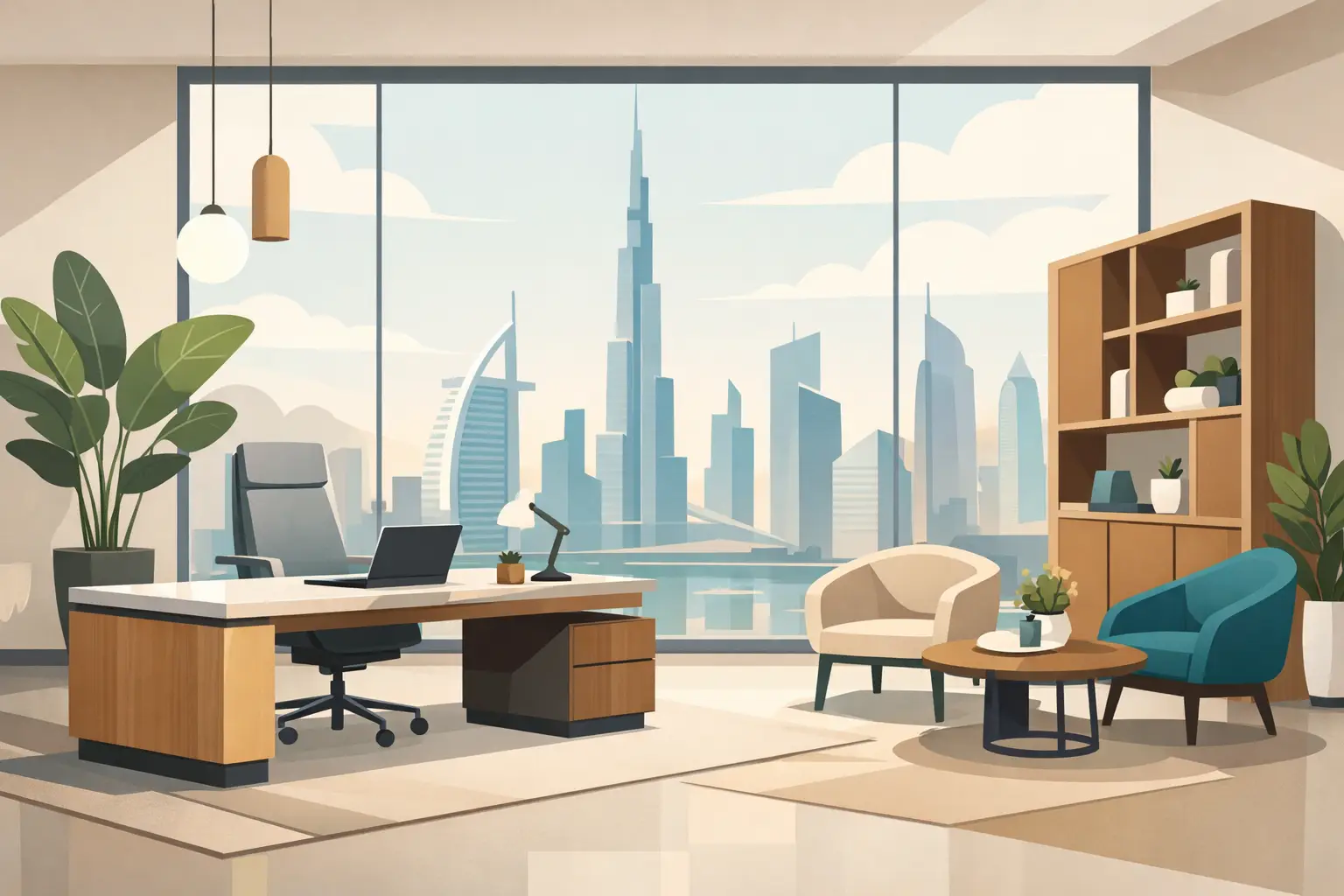
A reception desk is often the first physical signal of how a company operates. A cramped workstation, unstable filing cabinet, or boardroom table that cannot comfortably seat the team sends a different message. Bespoke office furniture Dubai businesses select should do more than fill floor space. It should establish authority, support focused work, and give every client-facing and operational area a clear purpose.
For Dubai organizations, customization is especially valuable because offices rarely follow a standard template. A startup may need to seat six people efficiently in a compact suite. A professional services firm may need executive presence, confidential storage, and a boardroom ready for high-stakes meetings. The right furniture plan brings these needs together through considered dimensions, durable materials, and finishes that reflect the business behind them.
Why Bespoke Office Furniture in Dubai Performs Better
Ready-made furniture can be a sensible choice for a straightforward requirement, particularly when dimensions are known and the space has no unusual constraints. However, a standard desk does not always account for column positions, glass partitions, circulation routes, equipment, or the storage needs of a specific team. Custom-configured furniture gives decision-makers greater control over how the office performs day after day.
A workstation can be sized to preserve comfortable walkways while providing sufficient work surface for monitors, laptops, and paperwork. Privacy panels can help define personal focus zones in an open-plan layout without making the floor feel closed off. Storage pedestals can be positioned where employees can reach them easily, reducing clutter on desks and in common areas.
Customization also protects visual consistency. When executive desks, reception counters, workstation clusters, boardroom tables, and filing cabinets share complementary materials and finishes, the office feels organized rather than assembled over time. This matters in client-facing environments, where professional presentation influences confidence before a meeting begins.
Start With the Work, Not the Furniture
The strongest furnishing decisions begin with how people use the office. Before choosing colors or executive finishes, assess the number of users, work patterns, technology requirements, storage volume, and the spaces visitors will see. A growing sales team has different needs from a legal practice, design studio, or finance department.
For focused individual work, desk depth and cable management deserve close attention. Staff using dual monitors, docking stations, or desktop equipment need a worktop that prevents screens from feeling crowded. For teams that work closely together, two-, four-, or six-user workstation clusters can make communication easier while keeping each person’s station defined.
Meeting spaces require the same discipline. A boardroom table should match the actual number of participants, not simply the maximum number that can be squeezed around it. Leave room for chairs to move back comfortably and consider power access for presentations and video calls. In smaller meeting rooms, a compact conference table may deliver a more usable result than an oversized statement piece.
Build zones around purpose
Most effective offices include several working modes. The reception area sets the tone. Open workstations support daily output. Executive offices provide privacy and leadership presence. Meeting rooms host decisions, while lounge areas give staff and visitors a more relaxed place to wait, speak, or reset.
Each zone benefits from a different furniture approach, but the design should feel connected. A premium reception desk paired with visitor seating creates a strong first impression. Executive desks with coordinated storage and leather chairs communicate authority and comfort. Sofas, coffee tables, and lounge chairs can soften informal spaces without sacrificing a professional standard.
The trade-off is budget allocation. It may be tempting to invest heavily in the reception and boardroom while treating employee workstations as basic utility furniture. In practice, daily comfort and operational efficiency have a direct effect on the workplace experience. A balanced plan gives visible areas polish while ensuring the team has supportive seating, sufficient desk space, and accessible storage.
Choose Seating That Supports Long Working Days
Office chairs are among the most consequential furniture decisions because they affect employees throughout the workday. A chair that looks refined but lacks adjustment can create discomfort, poor posture, and lower concentration. For teams spending extended hours at a desk, ergonomic performance should be a purchasing priority.
Ergonomic mesh chairs are a practical choice for active workstations, particularly in warm environments. A breathable mesh backrest promotes airflow, while adjustable lumbar support, armrests, seat height, and tilt control allow users to set up the chair for their body and task. High-density foam seating helps maintain comfort and shape through frequent use.
Executive leather chairs serve a different role. They bring visual weight and leadership presence to private offices, boardrooms, and senior work areas. The best choice depends on the user’s work pattern. An executive who spends most of the day in online meetings and detailed desk work may still need strong ergonomic adjustment, even when selecting a more formal chair style.
Visitor and training chairs should not be overlooked. They need to be durable, easy to position, and appropriate for the expected length of use. A reception chair may prioritize appearance and comfort, while training seating may prioritize mobility, stacking, or quick room reconfiguration.
Configure Workstations for Growth and Order
A workstation layout should support the current headcount without making growth unnecessarily difficult. Clustered desks are an efficient answer for teams that need coordinated seating and shared access to power, storage, or collaboration. They also create a clearer visual rhythm than placing individual desks wherever room is available.
For small teams, paired workstations can preserve a sense of connection while allowing each user an individual zone. Four- and six-person configurations are well suited to departments such as sales, customer service, operations, and project delivery. Privacy panels are useful where calls, concentration, or screen visibility need extra control.
Dimensions matter more than surface appearance alone. A desk that is too narrow quickly becomes crowded once screens, keyboard trays, notebooks, and personal items arrive. A configuration that is too dense can make employees feel boxed in, even if it technically meets capacity requirements. Measure clearances carefully, including chair movement, drawer opening, and routes to printers, exits, and shared spaces.
Storage should be planned alongside the desk layout. Mobile pedestals keep frequently used documents close at hand and can move as teams shift. Vertical filing cabinets use height efficiently where floor space is limited. Credenzas and closed cabinets are valuable in executive offices and meeting rooms, where visual order is part of the room’s purpose.
Use Materials and Finishes to Communicate Credibility
Bespoke office furniture is not only about exact dimensions. Material selection determines how the workplace looks, feels, and wears over time. Commercial environments need surfaces that can handle regular use, cleaning, movement, and changing teams without losing their professional finish.
Executive finishes can introduce richness through wood tones, refined metal details, and carefully selected hardware. In modern open offices, clean laminate surfaces, black frames, and neutral palettes can create a sharp, contemporary appearance. The right direction depends on the company identity. A consultancy may prefer understated confidence, while a creative business may use stronger contrasts and more expressive lounge furniture.
Avoid selecting finishes in isolation. Review desks, storage, meeting tables, seating frames, reception elements, and lounge pieces as a full palette. This prevents the common problem of mismatched wood tones, competing metal colors, or furniture that appears to come from unrelated offices.
Durability should remain part of the conversation. Premium craftsmanship is valuable when it supports a longer service life, stable construction, dependable drawer operation, and surfaces that retain their appearance under commercial use. The lowest initial price is not always the most cost-effective choice if replacements, repairs, and disruption arrive early.
Make the Reception and Boardroom Work Harder
Reception and boardroom spaces carry a higher share of brand responsibility. They are where clients wait, interviews begin, and important conversations take place. These rooms should feel polished, but they must also operate efficiently for the people using them.
A bespoke reception desk can accommodate the actual tasks performed at the front desk, including monitor placement, paperwork, visitor sign-in, concealed cable routing, and personal storage. Its height and proportions should create an approachable welcome while giving reception staff a comfortable working position.
In the boardroom, choose seating capacity based on normal use, then allow flexibility for occasional larger sessions. A well-proportioned table with supportive conference chairs feels more professional than a room packed beyond its comfortable limit. Storage for presentation equipment, refreshments, and meeting materials keeps the room prepared without visual clutter.
Desk Craft helps Dubai businesses coordinate these areas with commercial-grade desks, seating, storage, tables, and lounge furniture designed to work as one complete office environment. The result is not simply a better-looking space. It is an office that gives staff the tools to perform, gives leaders the presence to lead, and gives visitors a clear reason to trust what happens inside it.
When planning your next office fit-out, prioritize the moments that happen repeatedly: the employee settling into a chair, the team gathering around a table, the visitor approaching reception, and the manager finding what they need without searching. Those everyday moments are where a tailored workspace proves its value.


